Sales: 610-278-5000 Service: 610-278-5000 Parts: 610-239-2945 | |
Blog / Subaru Outback

Blog

All Subaru Outback Local Subaru Crosstrek Subaru Forester 2026 Subaru Ascent Subaru WRX Reliability How-To Towing Brand vs. Brand Maintenance Subaru Impreza Oil Type Subaru Solterra Subaru Wilderness
suby

Fall Foliage Drives Near Plymouth Meeting, PA | John Kennedy Subaru

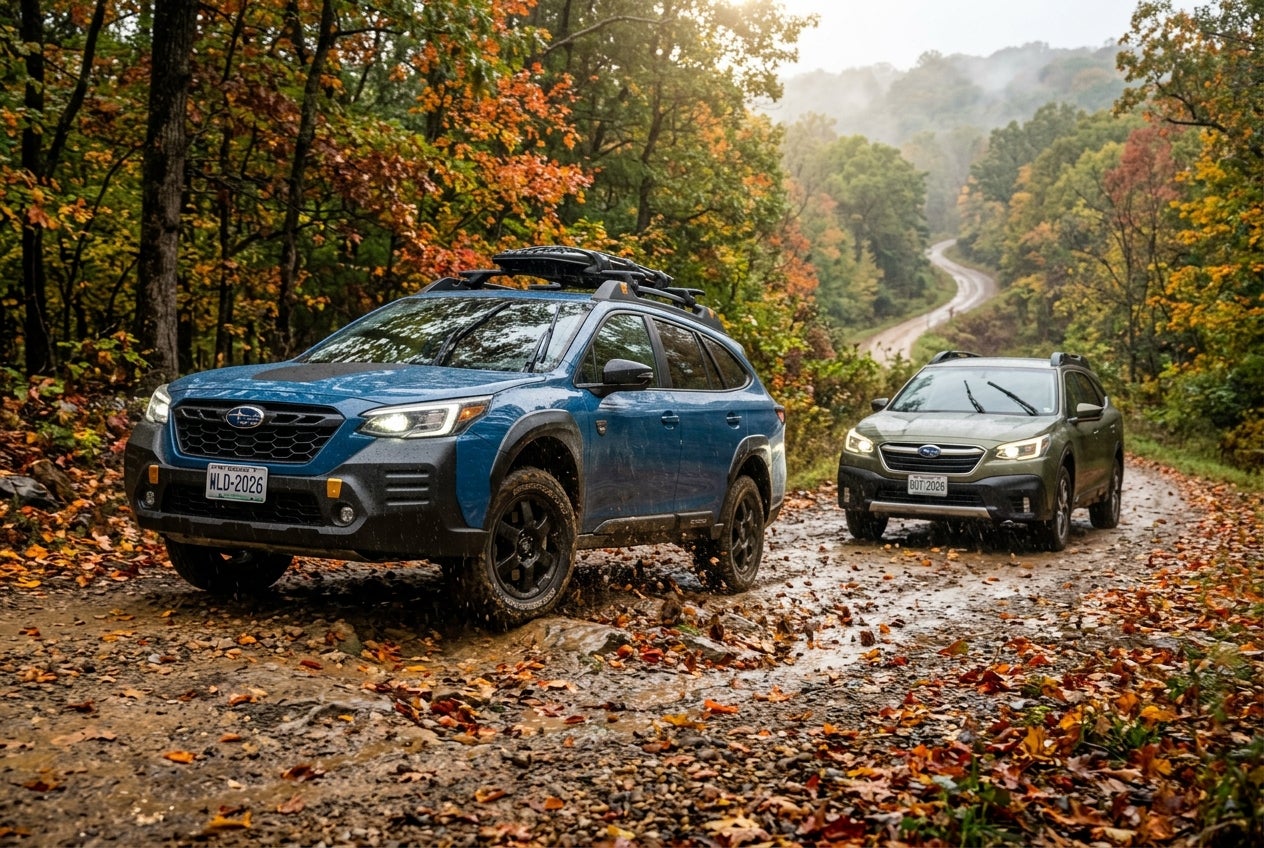
Fall Foliage Drives Near Plymouth Meeting, PA As the days get shorter and the air turns crisp, the parks, trails, and back roads around Plymouth Meeting transform into one of the best fall foliage destinations in the Philadelphia area. Pennsylvania has one of the longest and most varied fall foliage seasons in the country, and you don't have to travel far to see it. Here's a local guide to the best fall foliage drives near Plymouth Meeting, brought to you by John Kennedy Subaru. Wissahickon Valley Park Just a short drive from Plymouth Meeting, Wissahickon Valley Park is consistently ranked among the best places in the region to see fall color. The park spans 1,800 wooded acres across both Philadelphia and Montgomery Counties, with more than 50 miles of trails winding along Wissahickon Creek. The seven-mile Forbidden Drive is the easiest way to take it all in, leading to the Thomas Mill Covered Bridge, the last remaining covered bridge in Philadelphia and one of the park's most photographed fall spots. Peak color typically arrives in the last week of October through the first two weeks of November. Fort Washington State Park Continuing north from the Wissahickon, Fort Washington State Park connects to the same forested corridor via the Wissahickon Trail, also known as the Green Ribbon Trail. It's a great add-on stop for a longer fall drive, with wooded hiking paths and an easy-to-reach overlook that puts a wide sweep of Montgomery County's fall color on display. Valley Forge National Historical Park A quick drive toward King of Prussia, Valley Forge National Historical Park pairs Revolutionary War history with some of the most photogenic fall scenery in the area. Its rolling fields and monuments are just as striking from behind the wheel as they are on foot, making it an easy loop to add to any fall day trip from Plymouth Meeting. Evansburg State Park A bit farther out near Skippack and Collegeville, Evansburg State Park offers a mix of forest trails and open meadows along Skippack Creek. It's a quieter alternative to the more heavily trafficked Wissahickon, with plenty of picnicking spots to enjoy the season at a slower pace. Green Lane Park For a bigger day trip, Green Lane Park is the largest park in Montgomery County at 3,400 acres, with a trail network ranging from easy, flat walks to higher-elevation hikes with sweeping views. It's one of the best spots in the county for both fall color and birdwatching in the same trip. The Cross County Trail For something closer to home, the Cross County Trail runs from Conshohocken directly into Plymouth Meeting as a spur off the Schuylkill River Trail, making it one of the most convenient fall color walks for anyone right in our own backyard. The Best Way to Take In the Season Whether you're winding through the Wissahickon, looping Valley Forge, or heading out to Green Lane Park for the day, a fall foliage drive is a lot more enjoyable in a vehicle built for changing conditions. Every Subaru comes with standard Symmetrical All-Wheel Drive, so wet leaves on a shaded back road or an early frost won't cut your foliage tour short. Get Fall-Ready with a Subaru from John Kennedy Subaru Whatever your route this fall, our team can help you find the right Subaru for the drive. Browse New Subaru Inventory Schedule a Test Drive Proudly Serving Plymouth Meeting and the Surrounding Communities John Kennedy Subaru is a convenient stop for drivers throughout Montgomery County and the greater Philadelphia area heading out to enjoy the season. We're proud to serve drivers from: Plymouth Meeting, PA Conshohocken, PA West Conshohocken, PA Norristown, PA East Norriton, PA West Norriton, PA King of Prussia, PA Blue Bell, PA Whitemarsh, PA Lafayette Hill, PA Ambler, PA Fort Washington, PA Ardmore, PA Philadelphia, PA No matter which of these communities you call home, our Plymouth Meeting showroom is just a short drive away. Visit our homepage to learn more about financing, trade-ins, and current offers before you hit the road this fall. Park hours, trail conditions, and seasonal offerings referenced above are subject to change. Please check with each destination directly for current hours and availability before visiting.

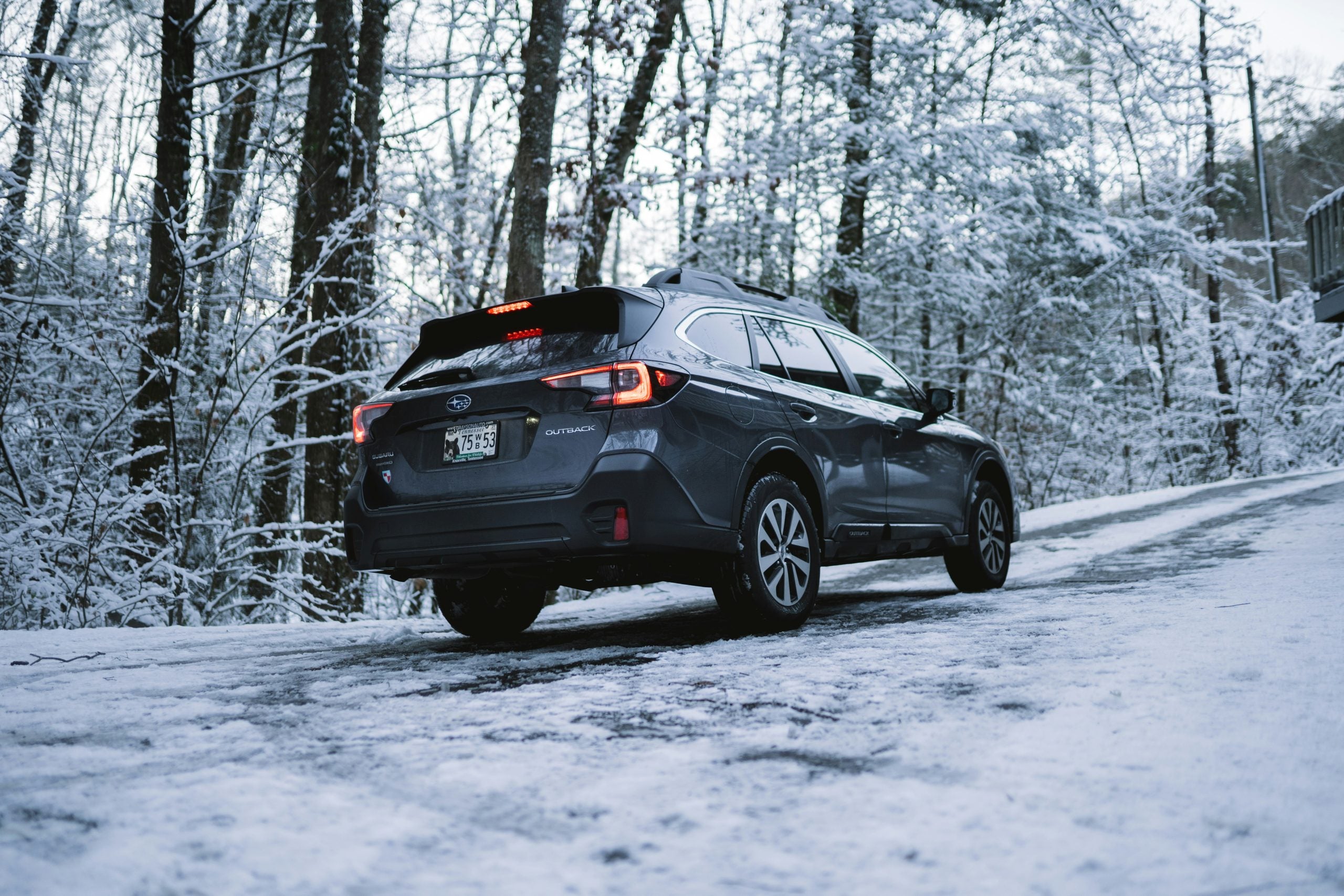
Subaru Outback on a snowy trail

What Is the Best Year for a Used Subaru Outback?

Shopping for a used Subaru Outback means navigating nearly 30 years of model variations, each with unique strengths and quirks. Some years shine for reliability while others pack modern safety tech at competitive prices. Understanding which years deliver the best value helps you avoid costly mistakes and find an Outback that fits your lifestyle perfectly. more Used Outback Inventory Best Years for a Used Subaru Outback: Quick Recommendations Focus your search on 2009, 2010-2012, 2016-2017, and 2021-2022 models. These years consistently earn high marks for dependability and owner satisfaction. The 2009 model stands out as the final third-generation year, with the fewest overall complaints and most design and mechanical issues resolved. You'll find solid reliability in the 2010-2012 range, which features the dependable 3.6L H-6 engine paired with a durable five-speed automatic transmission (preferred over CVT-equipped models). The 2016 and 2017 models hit a sweet spot, delivering EyeSight safety technology, an updated CVT, comfortable long-distance ride quality, and efficient fuel economy. Ready to find your ideal Outback? Browse our used Subaru inventory to see available models matching these recommended years. Understanding Subaru Outback Generations The Subaru Outback has evolved through six distinct generations since 1995. Generation shifts bring new platforms, engines, and safety systems that directly impact your buying decision. Late-generation models usually incorporate refinements that fix early problems, while first-year redesigns might offer lower prices despite potential teething issues. Generation Years Key Developments Fourth 2010-2014 Larger platform, CVT introduction, optional 3.6L H6, improved AWD Fifth 2015-2019 EyeSight integration, refined 2.5L/3.6L engines, better ride quality Sixth 2020-Present Subaru Global Platform (70% torsional rigidity increase), 2.4L turbo replacing 3.6L (247 lb-ft torque from the outgoing 3.6L, surpassed by the new 2.4L turbo's 277 lb-ft) Fourth Generation (2010-2014): The Size Increase Era Subaru significantly enlarged the Outback for 2010, transforming it from a raised wagon into a true crossover alternative. This generation grew by nearly 4 inches, offering substantially more interior space and cargo capacity. The result? It could finally compete with traditional SUVs while maintaining better fuel economy and handling. This generation brought the Lineartronic CVT, which replaced the traditional automatic transmission. The CVT improved fuel efficiency but raised reliability concerns in early models. By 2012, Subaru had addressed most CVT issues, making later fourth-generation models much more dependable. The overall package works well for outdoor enthusiasts and families who need space without the bulk of an SUV. Fifth Generation (2015-2019): Modern Safety and Refinement The fifth generation shifted focus toward safety technology and refined driving dynamics. Subaru's EyeSight suite became standard on most trims, bringing adaptive cruise control, pre-collision braking, and lane-keep assist to mainstream prices. The interior received meaningful upgrades in materials, ergonomics, and infotainment functionality. The 2016 and 2017 models really shine here, incorporating EyeSight refinements while avoiding the issues that plagued the 2015 launch year. Overall reliability improved compared to earlier iterations, especially after the first model year worked out initial bugs. Our certified pre-owned Outbacks often include these popular fifth-generation models with extended warranty coverage. Sixth Generation (2020-Present): Complete Redesign The 2020 redesign brought comprehensive changes built on the Subaru Global Platform, improving rigidity by 70% while enhancing handling and crash protection. The turbocharged 2.4-liter engine joined the lineup, producing significantly more torque than the previous 3.6L's 247 lb-ft while offering better efficiency. Interior quality jumped noticeably with an available 11.6-inch touchscreen and premium materials throughout. The 2022 model added the rugged Wilderness trim with increased ground clearance, all-terrain tires, and distinctive styling for off-road enthusiasts. While early 2020 models experienced infotainment glitches typical of first-year redesigns, the 2021 and 2022 models addressed most issues. Compare these latest advancements with the new Outback models to find the option that best fits your budget. Most Reliable Used Subaru Outback Model Years Reliability data consistently points to 2009, 2010-2012, 2016-2017, and 2021-2022 based on owner reports and repair frequency. The 2009 model benefits from being a late third-generation vehicle with all major issues resolved. It lacks modern features but compensates with proven durability, keeping maintenance costs manageable. The 2010-2012 stretch introduced new technology that's proven dependable after initial CVT concerns were addressed. The 2012 stands out particularly well, combining fourth-generation space with mature technology execution. These models regularly surpass 200,000 miles with proper maintenance (most Subaru Outbacks last 160,000-220,000 miles under proper care). The 2016 and 2017 models incorporate mature versions of EyeSight and other modern systems without excessive complexity. These years show lower repair frequencies compared to the surrounding model years. The most recent 2021 and 2022 models continue this trend, incorporating the latest advancements while maintaining Subaru's reputation for longevity. Year Range Generation Key Strengths Potential Drawbacks 2005-2009 Third Durable, affordable, high-mileage potential Head gasket/oil issues in 2.5L 2010-2012 Fourth Size upgrade, H6 engine reliability Early CVT in some 2.5L 2016-2017 Fifth Safety tech, comfort Minor oil concerns possible 2021-2025 Sixth Top reliability scores, advanced features Higher cost for newer used Subaru Outback Years to Consider Carefully and Why A few model years stand out as higher-risk used purchases. The 2013 model has the most documented reliability concerns, with defective piston rings linked to excessive oil consumption and potential engine damage, as well as early CVT issues. The 2014 model carries forward similar oil consumption and CVT concerns, warranting the same careful consideration. The 2018 model accumulated numerous NHTSA complaints regarding fragile windshields, infotainment failures, and electrical problems. The 2020 model, as the first year of the sixth generation, showed the electrical growing pains common to complete redesigns, including dead batteries, stalling, and miscellaneous electrical issues. Both years are available at attractive prices, but a thorough pre-purchase inspection is especially important to ensure any potential repair costs are factored into the deal. Known Problem Areas by Generation The fourth generation saw early CVT concerns primarily in the 2010 and 2011 models, with some owners reporting shuddering, hesitation, or transmission failure. Subaru extended CVT warranties on some vehicles, though older models may have exhausted that coverage. Some fourth-generation models also experienced head gasket failures, though less frequently than earlier Subaru generations. The fifth generation's main watchpoints center on electrical systems, particularly in the 2015 model, where infotainment freezing, backup camera failures, and sensor malfunctions were reported. The 2018 model saw oil consumption in a subset of 2.5-liter engines, with some owners reporting around a quart every 1,000 to 1,500 miles. Sixth-generation concerns are comparatively minor, largely limited to early software glitches rather than mechanical problems. The 2020 model's infotainment system drew complaints about slow response times, frozen screens, and connectivity issues, most of which Subaru addressed through software updates. Shoppers who want a sixth-generation Outback with these early issues already resolved will find the 2021 and 2022 models to be the more straightforward choice. Matching the Right Outback Year to Your Needs Your ideal Outback year depends on balancing budget constraints with feature priorities. Someone planning 3-4 year ownership might prioritize a lower purchase price, while a 10-year keeper should emphasize reliability records. Mileage matters more than age for many Outbacks (a well-maintained 2014 with 75,000 miles often beats a neglected 2017 with 120,000 miles). Budget-Friendly Options Under $20K Fourth and fifth-generation models from 2010-2019 dominate the under-$20K market. Focus on 2010-2012 or 2016-2017 models for better value. The 2012 models particularly shine, offering refined fourth-generation benefits at depreciated prices. Expect higher mileage in this price segment. Many sub-$20K Outbacks show 80,000-120,000 miles, which is acceptable for well-maintained examples. Subaru's reputation for longevity means these miles shouldn't concern you if maintenance records look solid. Explore our flexible financing options to find payment plans matching your budget. Best Balance of Reliability and Modern Features The 2016 and 2017 models occupy the sweet spot between reliability and contemporary features. These vehicles incorporate EyeSight technology, updated infotainment, and refined powertrains without excessive complexity. The 2017 model particularly stands out, combining fifth-generation maturity with features that remain relevant today. These years offer comfortable rides and safety systems that match or exceed many current models, including blind-spot monitoring, rear cross-traffic alert, and automatic emergency braking, without new-car premiums. Expect to spend $ 18 K –$25K, depending on mileage and trim level. What to Check When Buying a Used Subaru Outback Start every used Outback evaluation with a comprehensive vehicle history report checking for accidents, title issues, and service records. Pay special attention to transmission service history, especially on CVT-equipped models. Regular CVT fluid changes every 30,000-40,000 miles significantly extend transmission life. Schedule a pre-purchase inspection. Our service department can perform thorough evaluations, checking for common issues such as oil consumption, CVT problems, and head gasket leaks, depending on the model year. Test drive the vehicle on highways and rough roads to assess CVT behavior, suspension condition, and overall comfort. The infotainment system should respond quickly, cameras should display clearly, and climate controls should operate smoothly. Check underneath for rust, especially on vehicles exposed to Southeastern PA road salt during the winter months. Inspect the exhaust system, suspension components, and body panels for corrosion. Examine tire wear patterns for even wear, revealing alignment and suspension health. Ask about head gasket replacement on older models, timing belt service if applicable, and whether any recalls remain open. Find Your Perfect Used Outback at John Kennedy Subaru Why Choose Our Dealership Shopping at John Kennedy Subaru offers advantages beyond typical used-car lots. Every pre-owned Outback undergoes thorough inspection and reconditioning by certified technicians who know these vehicles inside and out. With over 60 years of serving Plymouth Meeting, Norristown, and the surrounding Southeastern Pennsylvania, we combine local knowledge with professional service that continues long after your purchase. Our selection spans budget-friendly fourth-generation models through nearly-new sixth-generation Outbacks with full warranty coverage remaining. Whether you need a practical family hauler under $20K or want the latest Wilderness trim for weekend adventures, our inventory offers options for every lifestyle. Take the Next Step This family-owned dealership emphasizes long-term relationships over quick transactions, ensuring you get honest answers about which model year truly fits your needs. Our transparent pricing and customer-focused approach make the buying process straightforward without pushy sales tactics. Visit us at 1201 E Ridge Pike in Plymouth Meeting or call 844-709-4104 to discuss your used Outback search. Sales hours run Monday through Friday, 9 AM to 8 PM, and Saturday, 9 AM to 5 PM. You can also contact our team online to start the conversation about finding your perfect used Subaru Outback today.

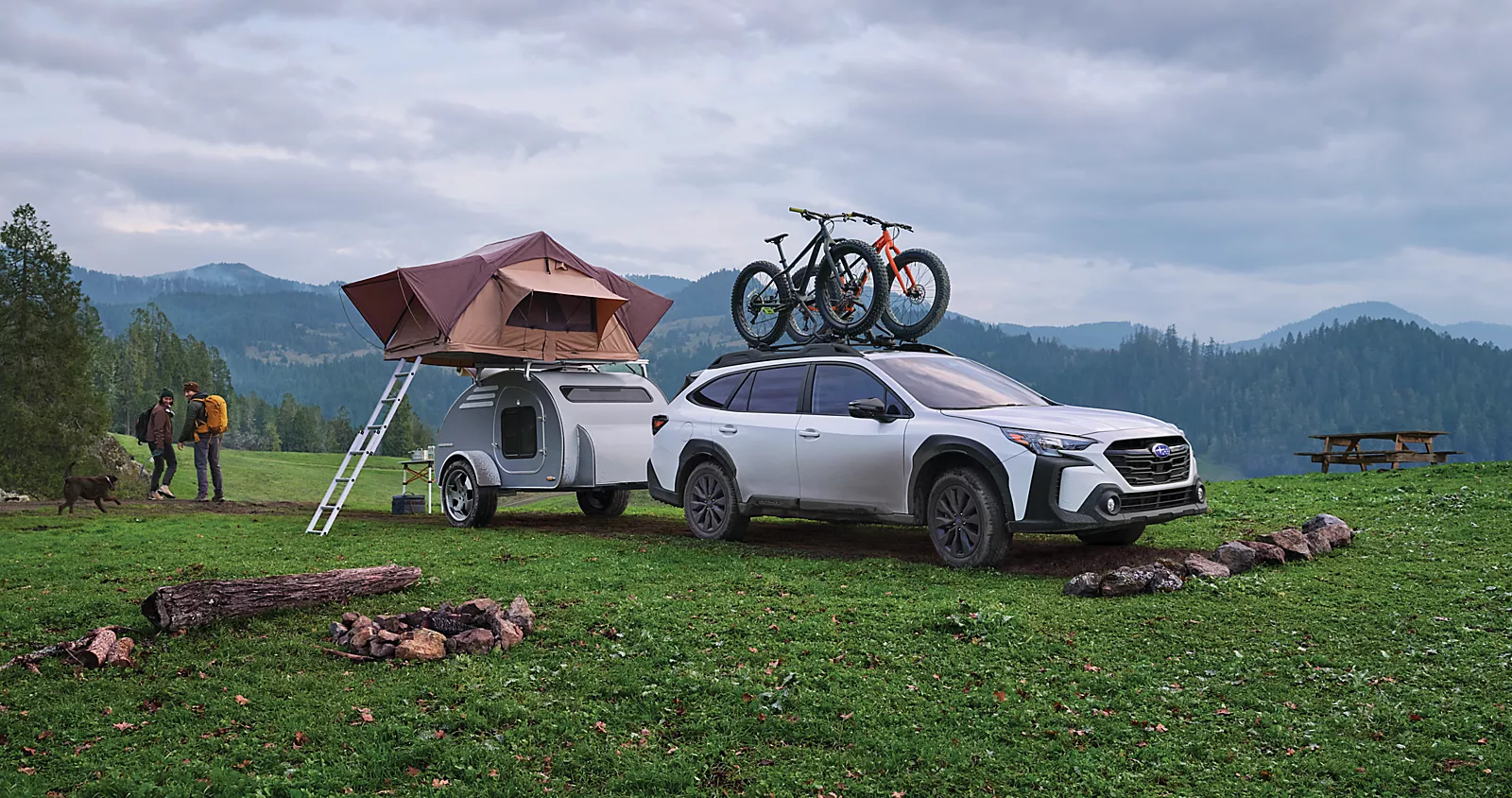
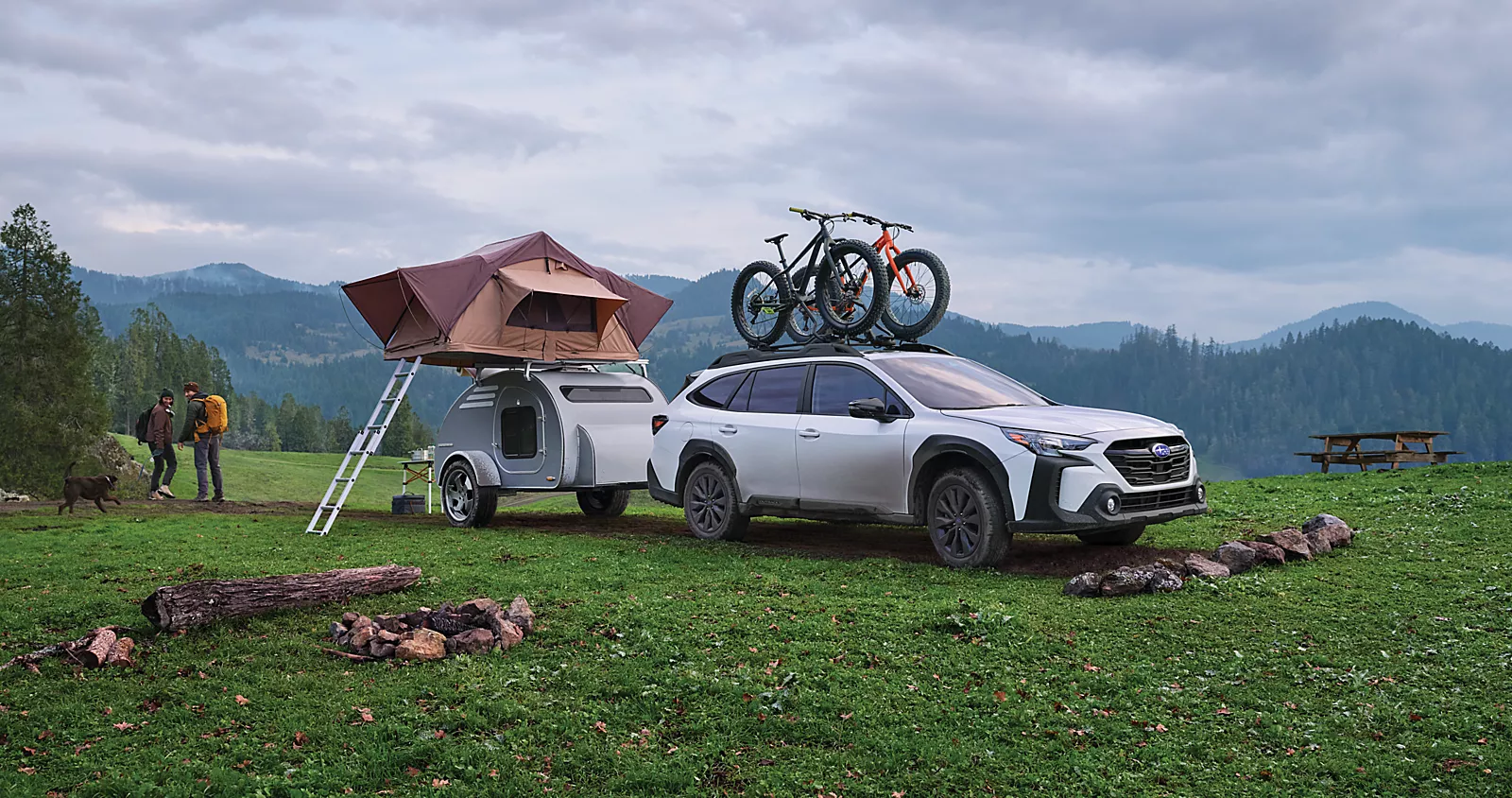
2024-Subaru-Outback-Camping

Difference Between A Premium & Limited Subaru Outback

Choosing the right Subaru Outback trim can feel overwhelming when you're comparing similar-sounding packages. The difference between Premium and Limited Subaru Outback trims often comes down to how you prioritize comfort, technology, and budget. Both options deliver Subaru's legendary all-wheel-drive capability and spacious versatility, but they cater to different lifestyles and preferences. Understanding what separates these two popular trims helps you avoid paying for features you won't use while ensuring you don't miss out on conveniences that matter most during Pennsylvania winters and your daily commute. more Premium Limited Subaru Outback Premium vs Limited: Quick Comparison Overview The Subaru Outback Premium vs Limited debate centers on balancing value against enhanced luxury. Premium trim buyers get a well-equipped crossover with core features that satisfy most drivers. You'll find comfortable synthetic leather seating (Starex), essential safety technology, and a capable infotainment system that handles smartphone integration smoothly. Limited trim elevates the experience with genuine leather upholstery and additional convenience features. This trim targets buyers who spend significant time behind the wheel and want their vehicle to feel more refined. Both trims share identical engine options and drivetrain performance, so acceleration, towing capacity, and fuel efficiency remain consistent. The real distinction shows up in cabin ambiance and tech sophistication. Here's how these trims compare across key categories: Feature Category Premium Limited Wheels 18-inch alloy wheels 18-inch dark-finish alloy wheels Upholstery Synthetic leather (Starex) Leather Front Seats Heated; 10-way power driver's seat with lumbar; 4-way manual passenger seat Heated; 12-way power driver's seat with 2-position memory and power lumbar; 8-way power passenger seat Rear Seats Standard Heated outboard rear seats Steering Wheel Standard Heated Infotainment 11.6-inch touchscreen; wireless Apple CarPlay/Android Auto 11.6-inch touchscreen with navigation; wireless Apple CarPlay/Android Auto Audio Standard audio system 12-speaker Harman Kardon premium audio Convenience Power liftgate; keyless entry with PIN code access; roof rails with crossbars Power tilt/slide moonroof; rain-sensing wipers; wireless charging pad Safety EyeSight Driver Assist (adaptive cruise, lane centering, blind-spot warning, rear cross-traffic alert); LED headlights EyeSight Driver Assist; blind-spot warning; rear cross-traffic alert; reverse automatic braking Ground Clearance 8.7 inches 8.7 inches AWD/Terrain Symmetrical AWD; X-MODE with Hill Descent Control Symmetrical AWD; X-MODE with Hill Descent Control Pricing and Value: What Separates These Trims The pricing gap between these trims reflects the material upgrades, additional technology, and convenience features bundled into Limited. Budget-conscious shoppers appreciate how Premium delivers solid value without sacrificing Subaru's safety reputation or capability. When evaluating costs, consider your priorities beyond the sticker. Limited's enhanced features often improve resale value, as luxury touches appeal to secondary-market buyers. Premium's lower initial cost means smaller monthly payments if you're financing, potentially freeing up budget for other priorities. To explore the current Outback selection and discuss pricing options, visit our Plymouth Meeting showroom. Interior Comfort and Premium Upgrades Stepping inside these packages reveals where your money goes. Limited transforms the cabin into a quieter, more comfortable sanctuary with materials that feel noticeably more upscale. You'll immediately recognize differences in seat texture, trim panel quality, and overall refinement. Premium maintains practical comfort suitable for daily commutes and weekend adventures, though it skips some indulgent touches. Cargo space and passenger room stay identical across trim levels, so both accommodate families and gear equally well. The distinction appears in how the space feels rather than how much you get. Limited's added insulation and premium materials create a cabin that dampens road noise more effectively during long highway stretches. Seating Materials and Adjustability Limited upgrades to leather-trimmed upholstery that resists wear better than Premium's Starex synthetic leather while offering easier cleanup. The genuine leather surfaces feel softer and add visual sophistication. The 12-way power driver's seat with memory functions in Limited lets multiple drivers save their preferred positions, eliminating the need to constantly readjust when you share the vehicle. Limited also includes an 8-way power passenger seat, whereas Premium offers a 4-way manual adjustment. Premium's Starex synthetic leather still provides solid comfort for most situations, particularly for drivers who prioritize durability. The 10-way power adjustment for the driver's seat gives sufficient customization for comfortable positioning during Southeastern PA commutes. Climate Control and Convenience Features Limited includes heated rear outboard seats, extending comfort to back-seat passengers during winter months (a thoughtful touch for families navigating cold Pennsylvania mornings). The heated steering wheel in Limited adds another layer of cold-weather comfort that Premium lacks. Premium comes standard with heated front seats, covering essential comfort needs. Both trims feature Subaru's climate control systems that maintain cabin temperature effectively, though Limited adds rain-sensing wipers that automatically adjust to precipitation intensity. That's particularly useful during unpredictable weather in Southeastern Pennsylvania. Technology, Infotainment, and Connectivity Comparing these trims reveals significant tech differences. Both feature the same 11.6-inch touchscreen, but Limited adds built-in navigation while Premium requires smartphone-based navigation through Apple CarPlay or Android Auto. Both trims include wireless smartphone integration, ensuring your phone connects seamlessly. Limited's power moonroof adds an open-air experience, while the wireless charging pad eliminates cable clutter for compatible devices. Premium includes keyless entry with PIN code access (a practical feature both trims share). Audio and Navigation Systems Limited upgrades to a 12-speaker Harman Kardon premium audio system with strategically positioned speakers throughout the cabin. The enhanced system delivers noticeably clearer highs, deeper bass, and better overall sound staging. Built-in navigation is standard on Limited and offers real-time traffic updates. Premium includes a capable standard audio system that satisfies most listeners. You can access navigation through smartphone integration, which many drivers prefer since phone apps update automatically and feel more familiar. Driver Assistance and Safety Technology Subaru's EyeSight driver assistance system comes standard across both trims, ensuring core safety features appear in both packages. You get adaptive cruise control, pre-collision braking, lane departure warning, and lane-keeping assist regardless of which trim you select. Both trims include Subaru's Symmetrical AWD and X-MODE with Hill Descent Control (essential for confident handling during Pennsylvania winters). Limited adds reverse automatic braking for additional parking lot protection. Both trims feature LED headlights, blind-spot warning, and rear cross-traffic alert as shown in the comparison table above. Exterior Styling and Functional Differences Visual distinctions between Limited and Premium appear subtle but create different impressions. Limited rides on dark-finish 18-inch alloy wheels that add visual sophistication compared to Premium's standard 18-inch alloys. Both trims maintain the same 8.7-inch ground clearance for confident off-road capability. Limited's power moonroof adds exterior visual interest and interior openness. Both trims include roof rails with crossbars (Premium) for mounting cargo boxes or outdoor gear, while both feature power liftgates. Limited's includes additional hands-free operation when you approach with the key fob. Which Subaru Outback Trim Is Right for You? Deciding between these packages requires an honest assessment of your priorities and usage patterns. Neither trim represents a wrong choice since both deliver Subaru's renowned reliability and capability. Your decision should align with how you'll actually use the vehicle. Test-driving both configurations lets you experience differences firsthand. What seems insignificant on paper often feels more meaningful when you're sitting in the driver's seat. Contact our team to arrange comparison drives of both trims. When the Premium Trim Makes Sense Premium works brilliantly for practical buyers who want capability without luxury frills. The Starex synthetic leather upholstery is durable and easy to maintain, while heated front seats provide cold-weather comfort. Drivers who already rely on smartphone navigation won't miss built-in systems, making Premium's tech package adequate. Premium appeals to those planning shorter ownership periods since the lower purchase price means less depreciation exposure. Buyers who prioritize saving money for other financial goals while still getting a safe, reliable vehicle find Premium's value proposition compelling. When the Limited Trim Is Worth the Upgrade Limited justifies its premium for drivers who log serious miles annually. If you regularly take road trips or face long commutes, the enhanced comfort features reduce fatigue noticeably. The Harman Kardon sound system makes those hours more enjoyable, while heated rear seats and a steering wheel provide all-season comfort for everyone aboard. Buyers who plan to keep their Outback long-term often choose Limited since the enhanced features are appreciated throughout ownership. The genuine leather seats age more gracefully than synthetic materials, maintaining their appearance better over the years of use. If you frequently transport clients or want your vehicle to project success, Limited's upscale interior creates a stronger impression. Test Drive Both Trims at John Kennedy Subaru in Plymouth Meeting Reading comparisons only tells part of the story. Sitting behind the wheel, adjusting the seats, testing the audio system, and experiencing the ride quality firsthand provides irreplaceable insight. We maintain an inventory of both Premium and Limited trims, allowing you to directly compare these configurations during the same visit. Our team understands that choosing the right trim requires personalized guidance rather than generic sales pitches. We'll walk you through the feature differences and help you evaluate which trim delivers the best value for your specific priorities. Since 1955, our family-owned dealership has built its reputation on transparent advice that prioritizes long-term customer satisfaction. Located at 1201 E Ridge Pike in Plymouth Meeting, we serve drivers throughout Philadelphia and Southeastern Pennsylvania. Our sales team works Monday through Friday from 9 AM to 8 PM and Saturdays from 9 AM to 5 PM, providing flexible scheduling for busy lifestyles. Call 844-709-4104 to arrange test drives of both trims or browse our Outback inventory online. Experiencing both options in person transforms abstract feature lists into tangible differences you can feel, helping you drive home in the Outback that truly fits your life.

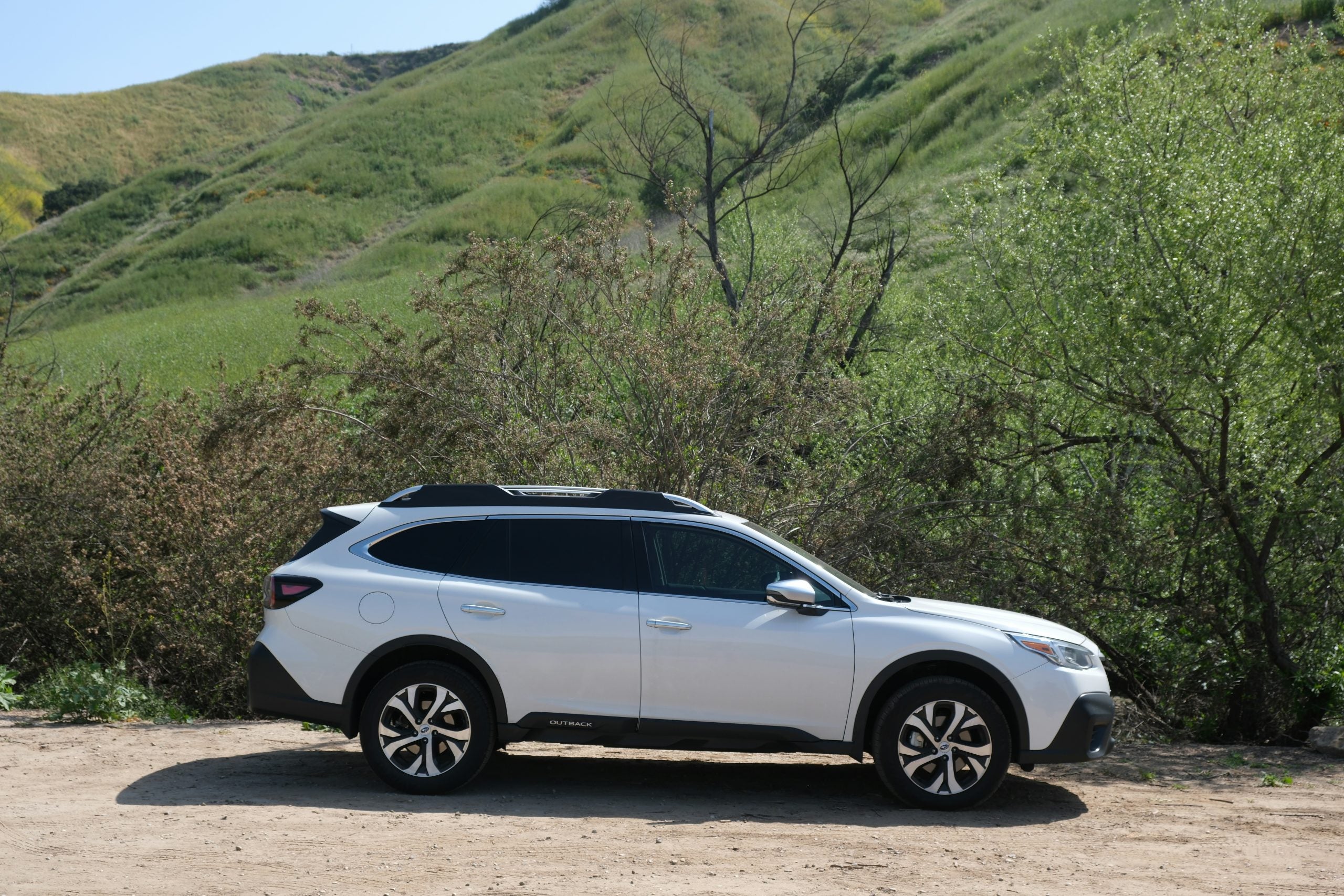
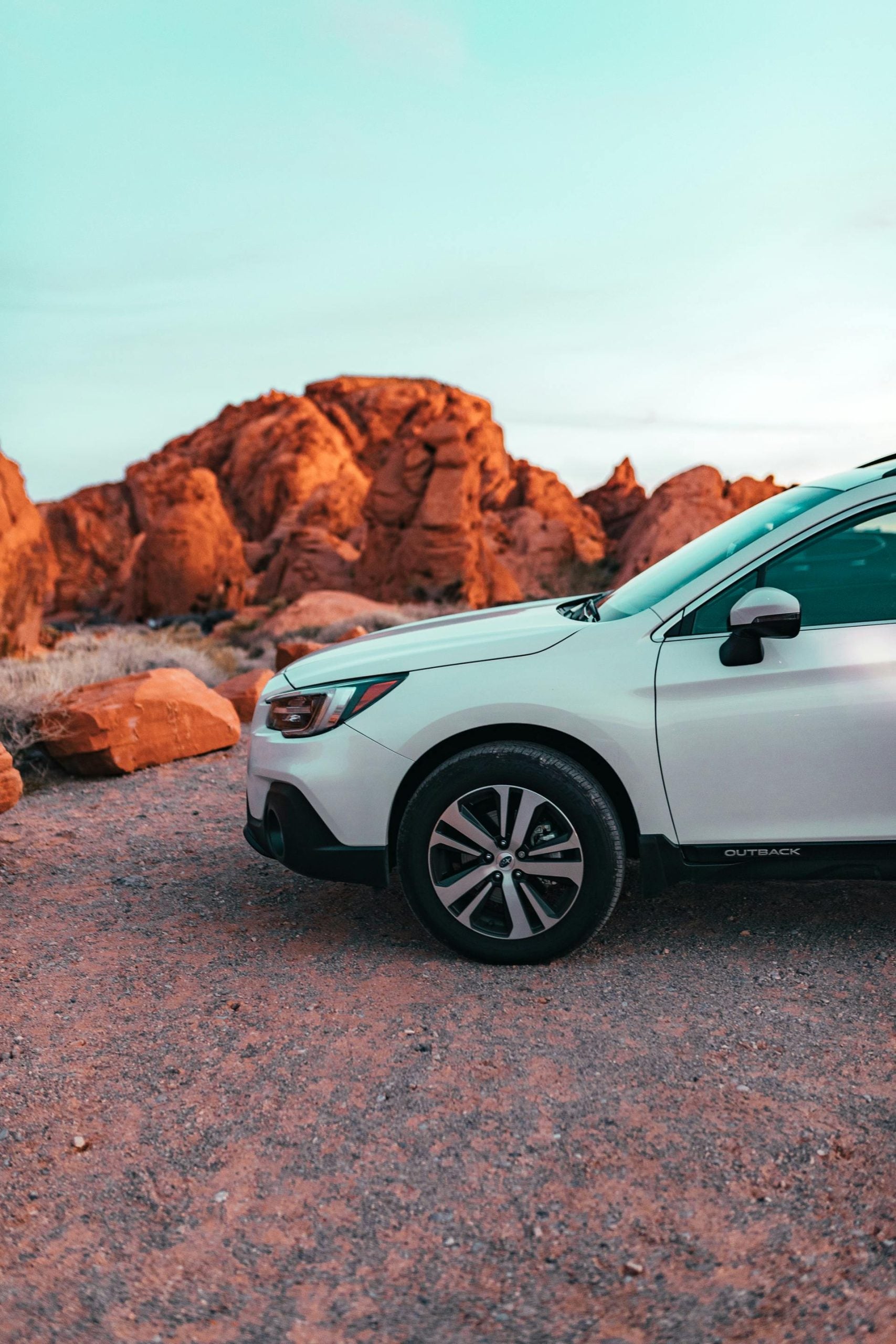
White Subaru Outback

Is the 2026 Subaru Outback Better Than the Jeep Cherokee?

Finding the perfect vehicle for Pennsylvania roads often means choosing between Jeep's rugged appeal and Subaru's legendary reliability. The 2026 Subaru Outback vs Jeep Cherokee comparison is tougher than ever now that the Cherokee has returned to the market. We want to help you cut through the noise to find the SUV that actually fits your life here in Plymouth. more New Outback Inventory Pricing and Trim Level Value Breakdown Value is usually the first thing on your mind when shopping for a new family vehicle. The 2026 Subaru Outback continues its tradition of offering great value right from the start, with an entry price of $34,995 ($36,445 with destination) for the Premium trim. Standard symmetrical all-wheel drive (AWD) is included on every trim level at no extra cost. That's huge for our winters. While the 2026 Jeep Cherokee has finally made AWD standard, eliminating the extra cost for traction found in previous years, it still comes in at a higher price point. The new Cherokee starts at $36,995 (including destination), meaning you pay a premium right out of the gate. Subaru bundles premium features like LED steering-responsive headlights into the starting price, ensuring your dollar simply stretches further here. Use a car comparison tool like Edmunds or Kelley Blue Book (KBB) to check which features are included, as competitors often hide costs in pricey packages. Engine Performance and Powertrain Options Subaru remains committed to its proven Boxer engine design, offering a standard 2.5-liter engine with 182 horsepower or a turbocharged 2.4-liter engine with 260 horsepower. This horizontally opposed design sits lower in the chassis to provide a center of gravity that feels stable on winding roads like Germantown Pike. You will feel the difference immediately when taking a tight on-ramp onto I-476. The 2026 Outback offers smooth, predictable, linear acceleration. In contrast, the 2026 Jeep Cherokee is expected to debut with a 1.6-liter turbo hybrid system producing around 210 combined horsepower. Innovative, first-year powertrains can sometimes be a gamble regarding long-term reliability. So, we prefer the proven engineering that has kept Subarus on the road for decades. Interior Space, Cargo Capacity, and Practicality Practicality is where the Outback's wagon-inspired design truly shines compared to traditional SUVs. You have a long, flat cargo floor now offering approximately 34.6 cubic feet behind the rear seats and a massive 80.5 cubic feet with the seats folded. That's perfect for sliding in lumber from the hardware store or loading up camping gear for a weekend in the Poconos. The Outback's lift-over height is lower than most competitors. This makes it easier for your dog to jump in the back without needing a ramp. Boxier SUVs like the Cherokee often have taller loading lips, which can be a pain during grocery runs. Passenger comfort is another area where the Outback excels significantly. Your rear-seat passengers get ample legroom of 39.5 inches, allowing adults to stretch out comfortably during long drives to Philadelphia. The cabin feels airy and open thanks to excellent visibility in all directions. The 2026 Cherokee provides roughly 38.5 inches of rear legroom and 68.3 cubic feet of maximum cargo space. That might mean a tighter squeeze for taller folks and less room for your gear. Real-world usability matters more than dimensions on a spec sheet. Fuel Economy and Ownership Costs Pennsylvania gas prices can fluctuate wildly throughout the year. The Outback is engineered to sip fuel conservatively, even with its standard AWD system. The 2026 non-turbo models achieve an estimated 25 mpg city and 31 mpg highway, while turbo models see 21/29 mpg, and the Wilderness edition offers 21/27 mpg. Its aerodynamic profile helps it cut through the air more efficiently than the brick-shaped Jeeps. You'll appreciate fewer stops at the pump during your daily commute along Ridge Pike. While the Cherokee's hybrid claims of 37 mpg combined sound impressive, hybrid systems often come with higher upfront purchase prices and expensive battery maintenance down the road. Subaru ownership costs remain among the lowest in the industry. That keeps more money in your pocket over the life of the vehicle. Towing Capacity and Hauling Capability Most drivers in Plymouth Meeting don't need to tow a massive boat. You likely need enough muscle to pull a small utility trailer or perhaps a couple of jet skis. The Outback provides plenty of towing power, with the standard engine rated for 2,700 pounds and the XT turbo models pulling up to 3,500 pounds. It balances capability with ride comfort perfectly. The Cherokee might match that 3,500-pound maximum tow rating on paper. However, that stiffer suspension often results in a harsher ride when you are not towing anything. You want a car that handles potholes on the Blue Route with grace. Technology, Infotainment, and Connectivity Modern technology should make your life easier, not cause frustration. The large 12.1-inch touchscreen in the 2026 Outback is user-friendly and smartphone-like, now complemented by a clear 12.3-inch digital instrument cluster. Icons are large and easy to tap without taking your eyes off the road for too long. Apple CarPlay and Android Auto integrate seamlessly to keep your maps and music ready. Jeep uses a 12.3-inch infotainment screen paired with a 10.25-inch digital cluster. While the screens are large, the Uconnect system can sometimes feel cluttered, with too many menus buried deep in the software. Safety Ratings and Crash Test Results Every Outback comes standard with EyeSight Driver Assist Technology and consistently earns high safety marks, including the IIHS Top Safety Pick rating. This system acts like an extra pair of eyes watching the traffic ahead of you. It can automatically apply the brakes if traffic on the Schuylkill Expressway comes to a sudden halt. Jeep often locks its most advanced safety features behind expensive upper trim levels. We believe safety should not be a luxury option. Subaru consistently earns top safety accolades because our innovative ring-shaped reinforcement frame protects your family. Which SUV Should You Choose? The choice becomes clear when you look at the total package. The 2026 Jeep Cherokee is a fresh face attempting to recapture its former glory. Some shoppers might even be cross-shopping the Grand Cherokee vs Outback, but the value proposition still leans heavily toward Subaru. The Outback delivers proven performance and unmatched safety for our local roads. It's the vehicle you can trust to get you home during a snowstorm in Valley Forge. Stop by John Kennedy Subaru Plymouth today to test drive your next adventure vehicle.

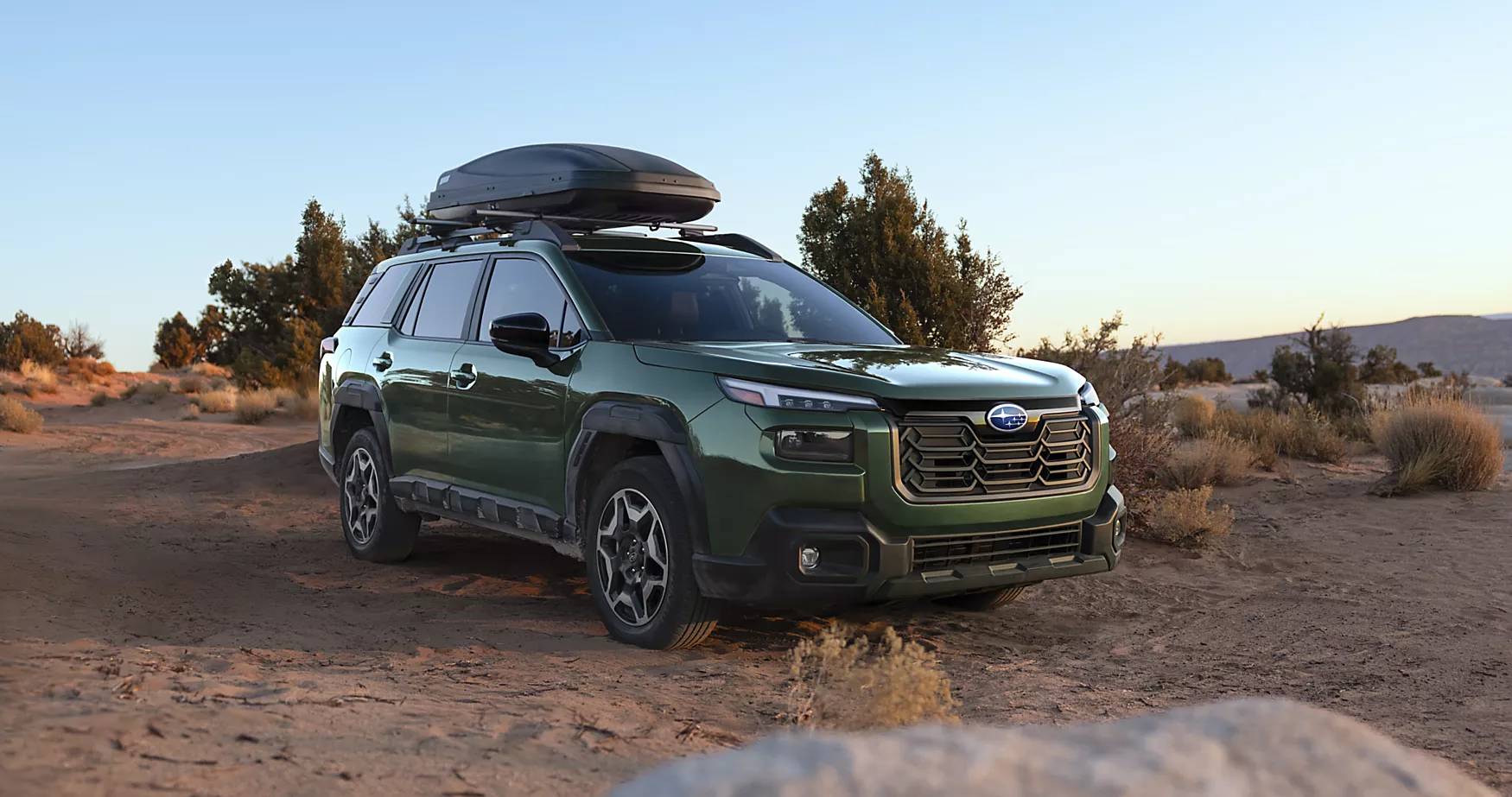
2026 Outback

What’s New in the 2026 Subaru Outback Redesign?

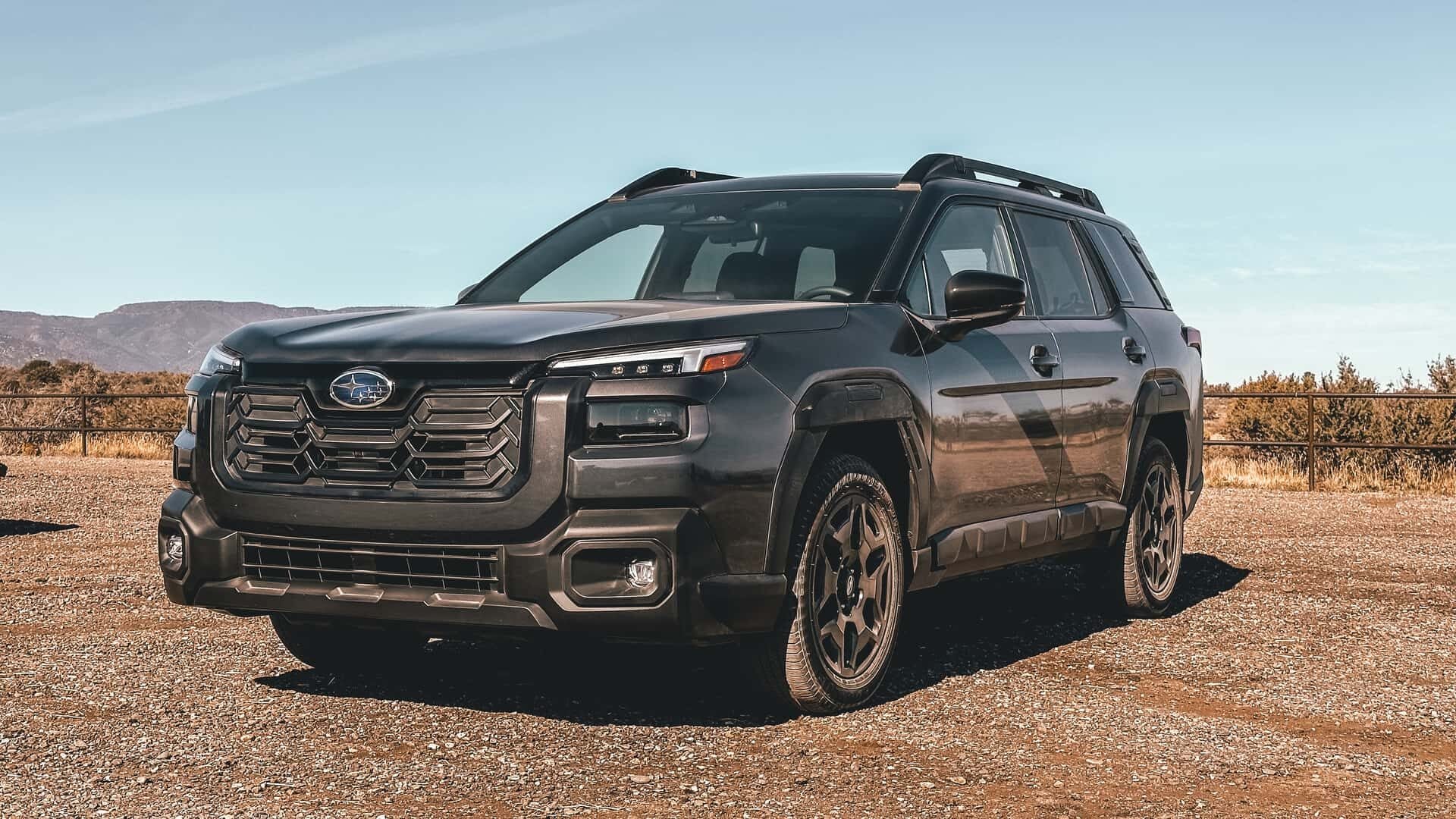
The 2026 Subaru Outback refresh marks one of the most dramatic shifts in the model's history, abandoning its wagon design for a bold, upright SUV-like appearance that may surprise long-time fans. This seventh-generation Outback pairs Subaru's signature all-wheel-drive capability with striking styling, cutting-edge technology, and a more spacious interior that addresses previous concerns. Our team at John Kennedy Subaru explores the 2026 Subaru Outback redesign to help you decide whether it's right for you. more New Outback Inventory Bold Exterior Design Changes Subaru has discarded the lifted wagon profile that distinguished this model from its competitors. The 2026 Subaru Outback updates include a fresh, boxier shape that positions it squarely against two-row midsize competitors such as the Honda Passport, Toyota 4Runner, and Volkswagen Atlas Cross Sport. The redesign introduces stacked LED headlights, a larger upright grille for a more rugged appearance, and sculpted body panels with prominent wheel arches that reinforce its muscular look. These enhancements offer tangible benefits for everyday use. The roofline is 2 inches higher, which expands the cargo space to 35 cubic feet and gives you a commanding view when navigating Philadelphia's streets. Redesigned Interior Features The 2026 Subaru Outback interior makeover addresses the practical concerns raised by previous owners, starting with the extra space due to the taller roof. Rear passengers can now enjoy more room on long journeys, while the wider, flatter cargo floor makes loading groceries, sports equipment, or camping gear easier. The new low-fatigue seats are directly bolted to the chassis, minimizing head movement and enhancing comfort during winter drives to Pennsylvania ski spots. The new Outback features practical storage solutions throughout the cabin, including drink holders for 32-ounce water bottles, cable clips to prevent USB cords from tangling, and cargo hooks to hang wet gear or shopping bags. A configurable, washable cargo cover made from recycled material adds flexibility while promoting sustainability. Technology and Infotainment All 2026 Outback trims feature a 12.1-inch multimedia system powered by a newly developed processor for faster response times and more flexible customization. The quick-access menu bar at the top of the touch screen allows you to toggle between navigation, music, and phone functions. This system offers wireless Apple CarPlay and Android Auto, along with optional wireless phone charging on certain trims, keeping your devices connected without messy cables. A new EyeSight display shows the road ahead and nearby cars, while the optional Harman Kardon sound system provides an immersive audio experience on long Pennsylvania road trips. Engine Specifications and Performance The new Outback offers two engine options. The standard 2.5-liter BOXER four-cylinder produces 182 horsepower and 176 lb-ft of torque, achieving up to 26 mpg in the city and 32 mpg on the highway, which is perfect for daily commutes around Philadelphia. This engine accelerates from 0 to 60 mph in 8.8 seconds. For more power, the 2.4-liter turbocharged BOXER engine in the XT and Wilderness trims generates 260 horsepower and 277 lb-ft of torque. It sprints from 0 to 60 mph in 6.6 seconds while still managing decent fuel efficiency at 23 mpg in the city and 30 mpg on the highway. Subaru's Symmetrical All-Wheel Drive comes standard across all models, enhancing traction in Pennsylvania's winter storms. The 2026 model offers generous ground clearance of 8.7 inches in regular models and 9.5 inches in the Wilderness, while providing a maximum towing capacity of 3,500 pounds in the turbocharged models. Advanced Safety and Driver-Assistance Features All 2026 Subaru Outback models come with the latest EyeSight driver-assistance technologies, including precollision braking, advanced adaptive cruise control with lane centering, and lane departure warning. The new emergency stop assist with safe lane selection can guide your car to the shoulder and stop if you don't respond, automatically calling for help. This provides peace of mind during long highway journeys between Philadelphia and your favorite vacation destination. Higher-end trims offer highway hands-free assist, allowing driving up to 85 mph on certain roads, reducing fatigue during long trips. The system can even handle lane changes when you use your turn signal, while the precurve speed function automatically reduces your speed before sharp turns. These smart safety systems work together to keep you protected on the road in Pennsylvania's diverse driving conditions. Trim Levels and Pricing The redesigned Subaru Outback is available in six trim levels to suit different budgets and lifestyles. These include the Premium base trim at $34,995, the Limited at $41,715, the Touring at $45,395, the Wilderness at $44,995, the Limited XT at $44,365, and the Touring XT at $47,995. This pricing structure keeps the 2026 Outback competitive among midsize SUVs, particularly since it includes standard all-wheel drive that many rivals charge extra for. This flexibility allows you to choose a trim that aligns with your priorities, whether it's maximum fuel efficiency, turbocharged performance, or off-road capability. Discover the New Outback at John Kennedy Subaru Subaru has completely redesigned the Outback for 2026, offering a more spacious interior, a striking new exterior, cutting-edge technology, and advanced safety features. If you're in Plymouth Meeting, Pennsylvania, we invite you to visit us to experience this exceptional vehicle firsthand. Our team will be happy to answer any questions you may have. Contact us today to stay updated on the 2026 Subaru Outback release date and add your name to the test-drive list when it arrives at our showroom. Image via OEM

A Subaru Outback on a dirt road

What Type of Oil Does a Subaru Outback Take?

What type of oil does a Subaru Outback take? Choosing the right Subaru Outback engine oil isn't just about buying whatever's available. It's about keeping your BOXER engine running smoothly for years and protecting your investment. The oil you use directly impacts how your engine performs, your fuel economy, and even your warranty coverage. If you choose the wrong one, you could face costly repairs down the road. more Schedule Oil Service Engine-Specific Oil Specifications for the 2025 Outback The 2025 Subaru Outback comes with two engine options, each with specific oil requirements. The 2.5-liter naturally aspirated BOXER engine uses 0W-20 fully synthetic oil. The 2.4-liter turbocharged BOXER uses the same oil but needs extra attention due to the higher heat it generates. The BOXER engine's horizontal layout changes how oil flows compared to an upright engine, as it must coat components farther apart while maintaining consistent protection across a wide temperature range. Driving habits can affect how well your oil performs. Frequent short trips, cold weather, and towing all put extra stress on the oil. In these conditions, more frequent oil changes or the use of high-quality formulations may be necessary. Today's Subaru engines always require synthetic oil because it resists heat breakdown, flows well in cold temperatures, and provides longer-lasting protection. Recommended Oil Viscosity by Climate Oil numbers, such as 0W-20, indicate viscosity at different temperatures. The first number shows cold-flow ability, and the second indicates its high-temperature thickness. 0W-20 oil flows easily when cold, helping cars start easily in winter. It boosts fuel efficiency, protects engines, and cuts emissions, which is perfect for Northeast winters. Modern synthetic OW-20 works across a wide temperature range without requiring seasonal oil changes. Some mechanics prefer 5W-30 over factory-recommended 0W-20 for non-turbo Subarus. They believe 0W-20 targets emission standards more than engine longevity. 5W-30 stays thicker at high temperatures and may provide better protection in certain conditions, such as hot weather or hard driving. Understanding Subaru-Approved Oil Types and Brands Subaru maintains strict oil standards beyond basic industry certifications. Mobil 1 ESP X2 0W-20 has joined the approved oil list for Subaru vehicles, expanding options while meeting quality standards. These approvals follow serious testing for Subaru's unique engine designs. Genuine Subaru oil contains special additives for horizontal, opposing engines. These formulas address BOXER engine challenges in which oil reaches the horizontal parts rather than the vertical ones. The American Petroleum Institute and the International Lubricant Standardization and Approval Committee standards set the performance requirements for engine oils. Subaru-approved formulas address their specific needs in more detail. While Subaru-branded oil isn't required, choosing the recommended oil for your Subaru Outback helps ensure engine management systems function properly and maintains warranty validity. For quality service with genuine parts and approved oils, Subaru-certified service shops provide valued expertise. Oil Capacity and Change Intervals for the 2025 Outback Your 2025 Outback holds about 4.4 quarts of oil, including the filter, depending on your engine type. Subaru recommends changing your oil every 6,000 miles or every 6 months, whichever comes first. For normal driving, some suggest oil changes every 10,000 miles, although city drivers dealing with stop-and-go traffic should change it every 3,000 miles. This big range makes sense, as cruising on highways stresses oil less than city driving with all its stops, starts, and idle time. Tough conditions, such as towing, extreme temperatures, or dusty roads, break down oil faster and may require more frequent changes. More regular oil checks are needed with BOXER engines because they can hide issues that would be obvious in traditional engines. Watch for dark, thick oil, unusual engine sounds, or dashboard warnings. The BOXER engine's horizontal design requires some special steps during oil changes, such as positioning for complete drainage and checking the level carefully after filling. Step-by-Step Oil Selection Process Finding the best oil for a Subaru Outback starts with knowing your specific engine. Check your owner's manual or look up your vehicle identification number. Next, determine which viscosity works best based on Philadelphia's weather and your driving style. Then pick from Subaru-approved brands that meet the right standards. When shopping for oil, have your car's year, engine size, and mileage handy. Price-wise, high-quality synthetic oils cost more upfront but allow for longer intervals between changes, which can save money over time. When draining the old oil, BOXER engines require extra drain time due to their sideways layout. Follow proper torque specs for the drain plug and filter to avoid leaks without overtightening. After filling, run the engine briefly and recheck levels to catch any problems quickly. Common Oil-Related Issues and Solutions High oil consumption is a common complaint among Subaru owners. Causes can include worn piston rings that let oil into the combustion chambers, valve seal problems, issues with the positive crankcase ventilation system, or driving habits that cause engine overheating. Some 2010-2012 models with 3.6-liter engines and 2013 models with 2.5-liter engines had excessive oil consumption due to piston ring design flaws. Subaru extended the warranties on affected vehicles to eight years or 100,000 miles. Excessive oil use signs include frequent oil additions between services, early oil warning lights, blue exhaust smoke, burning oil smells, or sluggish performance. Oil leaks often come from head gasket failures or other system issues. Mixing oil types causes compatibility issues that affect engine lubrication. Never ignore oil warning lights, as they indicate problems needing immediate attention. Trust the Experts at John Kennedy Subaru for Your Oil Service Needs Maintaining your 2025 Outback means more than just using the right oil. You need to know your engine type, your driving habits, and the right service schedule. Both the 2.5-liter and 2.4-liter BOXER engines have specific requirements that are best met with factory-approved oils and proper timing. Want expert oil service that keeps your 2025 Outback running its best? Our factory-trained technicians use only approved oils and genuine parts, giving your BOXER engine the specialized care it needs. Schedule your next oil change at John Kennedy Subaru in Plymouth Meeting and see why Outback owners trust us with their cars.

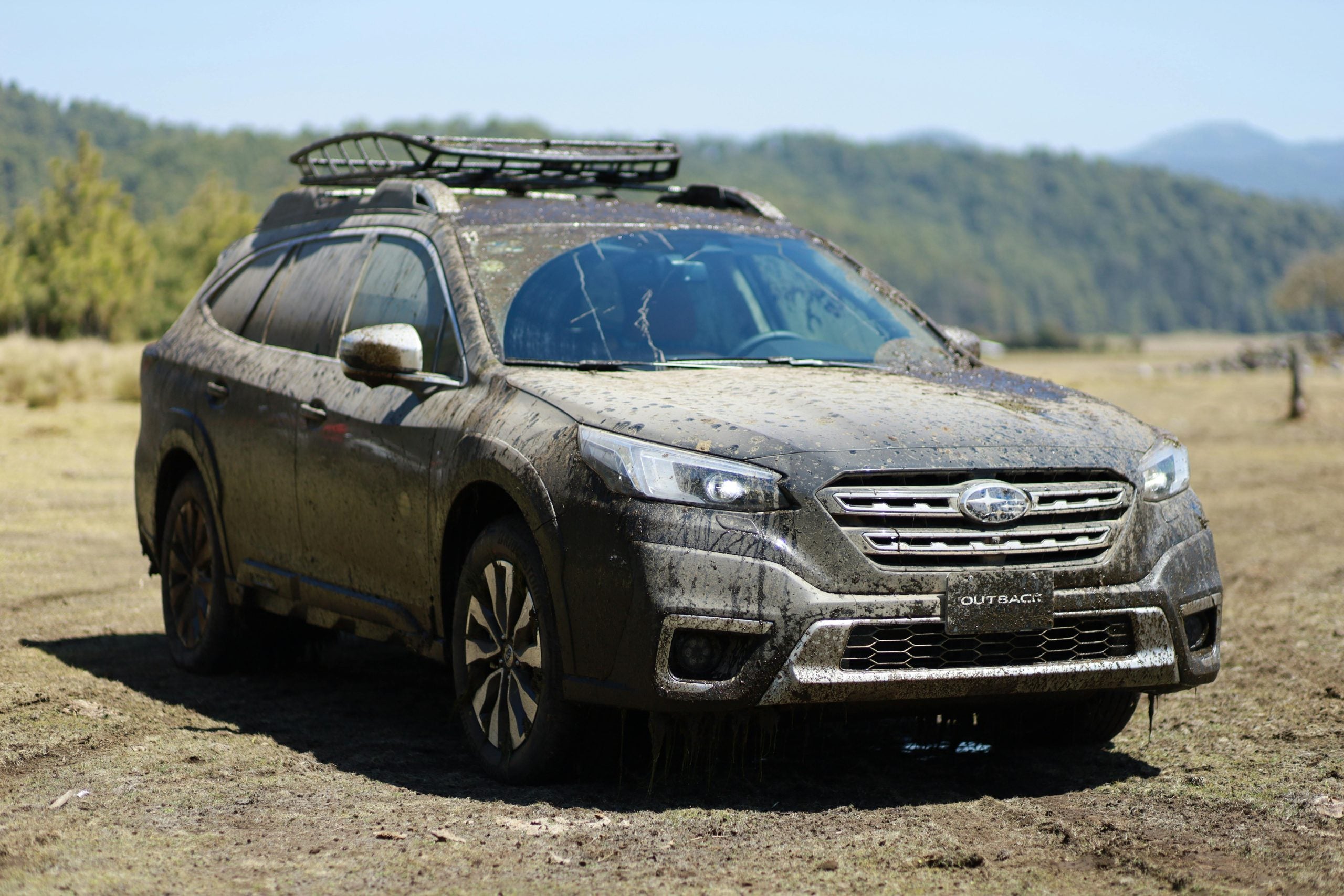
Dirty Subaru Outback

Which Subaru Outback Model Years Are Best to Buy in 2025?

If you're shopping for a new or used Subaru Outback, knowing which model year to choose can be tough. That's why we've put together this guide, which explains the years that truly stand out and those you should avoid, helping you find the perfect mix of reliability, features, and value for your budget. more Used Outback Inventory Subaru Outback Generation Breakdown (1995-2025) The Outback's legacy unfolds across six generations: First generation (1995-1999): A Legacy wagon with a 2.5-liter flat-four engine and standard all-wheel drive Second generation (2000-2004): A roomier vehicle with an optional H-6 engine Third generation (2005-2009): More SUV-like styling, but head gasket issues were common Fourth generation (2010-2014): Grew in size and comfort, but early models struggled with transmission issues Fifth generation (2015-2019): Improved reliability, fuel efficiency, and safety tech Sixth generation (2020-present): The most advanced and dependable yet Best Years for the Subaru Outback The fifth-generation 2019 model tops our list. By this point, Subaru had resolved the transmission issues that plagued earlier fifth-generation models. Plus, all trims come standard with EyeSight driver-assist technology, which acts as a second pair of eyes on the road when your attention drifts. This model is still fairly new but has already proven its worth on highways and backroads throughout Pennsylvania. With just three recalls and a J.D. Power Quality & Reliability score of 80/100, it's a great buy if you're looking for a used Outback. The 2014 model deserves attention, too. As the launch year for the fifth generation, it introduced the platform design that's still used today, plus it delivers modern features at a more affordable price point. Alternatively, if you're looking for sixth-generation features without the high price tag, consider the 2020 model. Just be aware that there were some early production issues with this Outback, which is why J.D. Power gives it a Quality & Reliability score of just 71. The 2016 Outback rounds out our top picks. It's a solid fifth-generation choice that suffers from fewer glitches than some years. Subaru is renowned for building dependable vehicles, which is why Consumer Reports named it the most reliable car brand for 2025. With proper care, its vehicles can hit 200,000 to 300,000 miles or last 10 to 20 years. For the best long-term value, look for a used Outback that's about 4 to 6 years old with around 50,000 miles on the clock. Subaru Outback Years To Avoid Not all Outbacks are created equal. Some model years are well known for mechanical issues and costly repairs. The 2010 Outback is one to avoid, having been subject to 18 recalls, the most of any version. It typically develops head gasket leaks around 100,000 miles and is known for its excessive oil consumption. It also suffers from transmission and airbag issues. The 2011 and 2012 models are close behind, with 16 recalls each, with both being plagued by similar problems. When it comes to more recent models, the 2020 sixth-generation Outback is the most problematic, with six recalls for issues involving the drive chain, fuel pump, airbags, brake pedals, and rearview camera. Add to this reports of spontaneously cracking windshields, and you might want to think twice before opting for this model year. New vs. Used Subaru Outbacks: What's the Best Value in 2025? Your budget and priorities will determine whether to buy new or used. New Outback buyers enjoy the benefits of full warranty coverage, the latest safety features, and attractive financing deals — with some as low as 1.9% APR on 2025 models. But the thrill of buying a new car comes with one big drawback: instant depreciation. The second you drive off the lot, your investment starts losing money. By buying used, you can skip that initial depreciation hit. For example, you can often pick up a 2024 model for around $9,000 less than its original price tag. That's substantial savings. Buy a 2-year-old Outback and you'll save roughly $12,000 compared to buying new. According to the experts at CarEdge, Subarus hold their value better than most brands, making them a great long-term investment. Find Your Perfect Subaru Outback in Plymouth Meeting If you're ready to find your perfect Outback, contact us at John Kennedy Subaru to discover what's available in our inventory, talk about budget-friendly financing, and tap into our know-how about which Outback fits your lifestyle. With a full service department and genuine parts in stock, we can keep your Outback running strong for years after you drive it home.

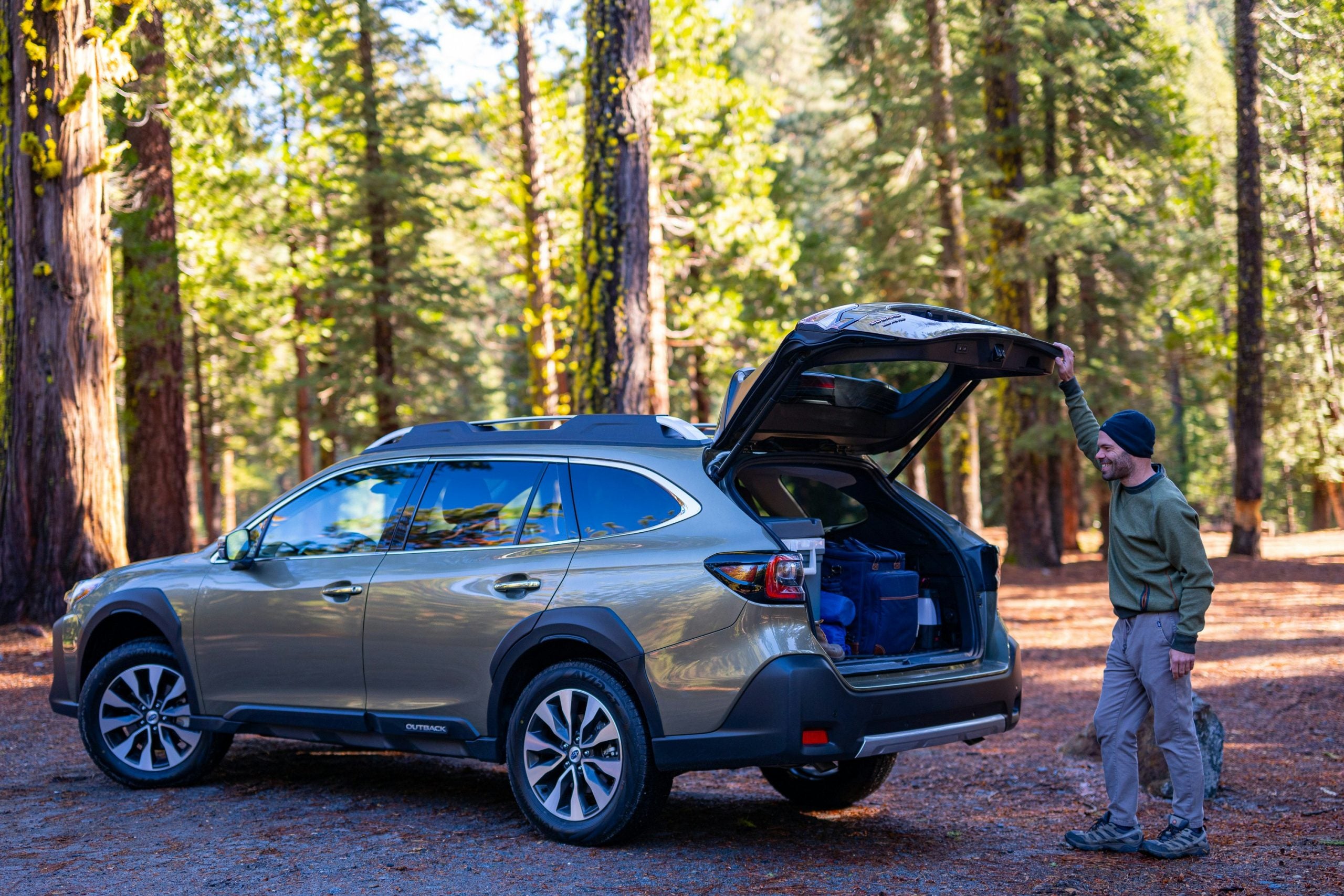
Camping gear loaded into the back of a 2025 Subaru Outback Touring XT SDL, with a man preparing to unload it.

2025 Subaru Outback vs. Crosstrek: Which SUV Should You Buy?

If you're looking for your next car in Plymouth Meeting, the 2025 Subaru Outback and Crosstrek are some big standouts. Although both are perfect for many, they differ significantly in size, power, and cost. In this article, our team at John Kennedy Subaru provides a Subaru Outback vs. Crosstrek comparison to help you decide which one fits your lifestyle best. more Outback Inventory Crosstrek Inventory Size and Dimensions: Which Subaru SUV Fits Your Needs? The Outback vs. Crosstrek size comparison will help you decide which model is perfect for you. Exterior Dimensions The 2025 Crosstrek is 176.4 inches long, 70.9 inches wide without mirrors, and 62.8 inches tall. Its 105.1-inch wheelbase and 3,277-pound weight are perfect for tight Plymouth Meeting parking spots. The Outback measures 191.9 inches in length, 74.2 inches in width, and 66.1 inches in height on a 108.1-inch wheelbase and weighs 3,641 pounds. Higher trims feature 18-inch wheels for a commanding stance. Interior Space and Passenger Capacity Although both vehicles comfortably accommodate five people, the interior space differs considerably. The Crosstrek offers front headroom of 39.8 inches and 42.9 inches of legroom. In the rear, passengers get 38 inches of headroom and 36.5 inches to stretch their legs, while the total cabin space measures 120.4 cubic feet. The Outback provides rear passengers with 39.5 inches of legroom and a total interior volume of 141.6 cubic feet. This extra space makes your Poconos weekend adventures much more comfortable. Cargo Space and Storage Solutions The Crosstrek offers 19.9 cubic feet behind the rear seats. This space expands to 54.7 inches with the seats folded, which is ideal for groceries or weekend trips. The Outback provides 32.6 cubic feet with the seats in place and 75.6 cubic feet with them folded. Roof rails with flip-around crossbars make strapping kayaks or bikes easy for Valley Forge Park trips. Engine Performance and Fuel Economy Breakdown The Outback and Crosstrek each feature distinct engine options and fuel-efficiency numbers. 2025 Subaru Outback Engine Options The 2025 Outback offers two options. The standard 2.5-liter BOXER four-cylinder engine is paired with a Lineartronic continuously variable transmission, which generates 182 horsepower and 176 lb-ft of torque. This option provides 32 mpg on the highway and accelerates from 0 to 60 mph in 8.5 seconds. The optional 2.4-liter turbocharged BOXER four-cylinder delivers 260 horsepower and 277 lb-ft of torque. With this engine, the Outback sprints from 0 to 60 mph in 5.8 seconds. This SUV offers a towing capacity of 2,700 pounds with the base engine and 3,500 pounds with the turbocharged version. 2025 Subaru Crosstrek Performance Specs The Crosstrek also offers two engines. The base 2.0-liter BOXER generates 152 horsepower and 145 lb-ft of torque, while the 2.5-liter BOXER four-cylinder version produces 180 horsepower and 178 lb-ft of torque. Both options are paired with a Lineartronic continuously variable transmission. The Wilderness trim can tow 3,500 pounds, while regular models can handle 1,500 pounds. Fuel Efficiency The Crosstrek wins the fuel economy comparison. The 2.0-liter engine achieves 27 mpg in the city, 34 mpg on the highway, and 29 mpg combined. The 2.5-liter version gets 26 mpg in the city, 33 mpg on the highway, and 27 mpg combined. The Outback's 2.5-liter engine gets 22 mpg in the city, 29 on the highway, and 25 mpg combined, while the 2.4-liter turbocharged option achieves 26 mpg in the city, 32 mpg on the highway, and 28 mpg combined. Due to its off-road features, the fuel efficiency numbers of the Wilderness trim drop to 21 mpg in the city, 26 mpg on the highway, and 23 mpg combined. All-Wheel-Drive Capabilities Both models come standard with Subaru's Symmetrical All-Wheel Drive. The system constantly shifts power between the wheels to improve traction in Pennsylvania's harsh winters and slippery roads. The Outback features 8.7 inches of ground clearance, while the Crosstrek offers up to 9.3 inches across all versions, except for the Wilderness trims. Their extra ground clearance of 9.5 inches is ideal if you're an off-road enthusiast. Both models have smart X-MODE systems that adjust the traction control to adapt to diverse conditions, such as gravel and steep hills. Interior and Technology Features The 2025 Outback's cabin prioritizes practicality. Base trims offer a 10-way power-adjustable driver's seat with two-way lumbar support. Higher models feature 12-way power seats with four-way lumbar support, as well as eight-way power passenger seats. Heated steering wheels and rear USB-A and USB-C ports add convenience. The base Outback models feature dual 7-inch displays, while higher trims have an 11.6-inch screen with wireless Apple CarPlay, Android Auto, and SiriusXM. The Crosstrek starts with an 8-inch screen but offers the same 11.6-inch display as the Outback in higher trims. The Outback adds wireless charging and an optional Harman Kardon audio system. Safety Features Both the Crosstrek and Outback offer the EyeSight suite of driver-assistance technologies. The features include adaptive cruise control, lane sway and departure warnings, precollision braking, and lane-keep assist. Both vehicles received a Top Safety Pick from the Insurance Institute for Highway Safety and five stars from the National Highway Traffic Safety Administration. Pricing and Value The 2025 Subaru Crosstrek is available in five trim levels: the Base, Premium, Sport, Limited, and Wilderness. Starting prices for the Crosstrek range between $26,560 for the Base trim and $33,360 for the Wilderness model. The 2025 Subaru Outback has nine trims: the Base, Premium, Onyx Edition, Limited, Touring, Onyx Edition XT, Wilderness, Limited XT, and Touring XT. The starting MSRPs for the Outback range between $29,995 for the Base model to $44,730 for the Touring XT. Find Your Perfect Subaru Match at John Kennedy Subaru Whether you're interested in the Crosstrek's affordability or the Outback's space, we'll help you find the perfect SUV. If you're in Plymouth Meeting, Pennsylvania, visit us to experience these exceptional vehicles firsthand. Our team will walk you through the many features, help you explore your financing options, and answer any questions you may have. Contact us today to schedule a test drive.

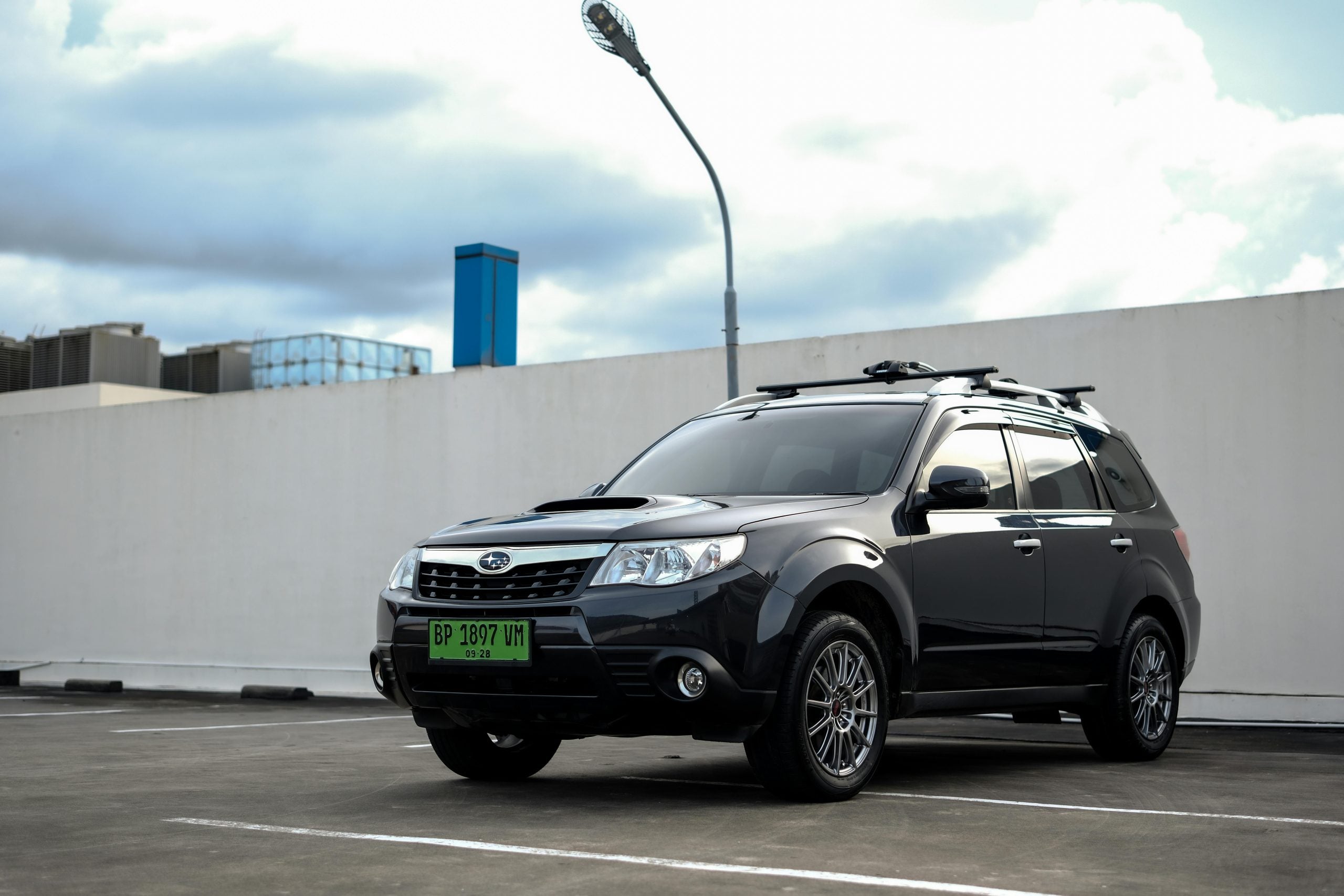
Black Subaru Forester

2025 Subaru Outback vs. Forester: Which SUV Is Best for Plymouth Meeting Drivers?

Picking between the Subaru Outback versus the Forester can be a challenge if you're looking for a practical, ready-for-anything, and comfortable daily transport. Both feature Subaru's famous all-wheel-drive (AWD) system and outstanding safety record, but they're built differently despite seeming similar at first glance. Figuring out which one fits your life better matters, and our team at John Kennedy Subaru of Plymouth is here to help you decide. more Outback Inventory Forester Inventory Size and Dimensions Size is the biggest difference between these two Subarus. The 2025 Forester measures 183.3 inches long, 72 inches wide, and 68.1 inches tall, perfect for tight Plymouth Meeting parking spots. The 2025 Outback is 191.9 inches in length (over 9 inches longer than the Forester) and 74.2 inches wide, but it sits lower at 66.1 inches tall. Inside, the Forester's base model gives you up to 110.8 cubic feet of passenger space, while other trims offer 106.6 cubic feet. The Outback splits the difference with 109 cubic feet (107.5 cubic feet if you have a moonroof). If you need space for your gear, the Outback wins with 32.6 cubic feet behind the seats versus the Forester's 27.5-29.6 cubic feet. Fold the seats down and the Outback maxes out at 75.6 cubic feet, while the Forester gives you between 69.1 and 74.4 cubic feet, depending on the trim level. Both SUVs offer 8.7 inches of ground clearance for handling Pennsylvania's rough roads and snowy trails. The extra cargo room in the Outback might be the deciding factor if you haul sports gear regularly or make sizable grocery runs. The Forester counters with a city-friendly footprint that's easier to park and maneuver. Performance and Engine Options Engine choices distinguish these models as well. The Forester offers one option: a 2.5-liter BOXER four-cylinder with 180 hp and 178 lb-ft of torque (the Wilderness trim boasts 182 hp and 176 lb-ft of torque). The Outback offers 182 hp and 176 lb-ft of torque but adds a 2.4-liter turbo option with 260 hp and 277 lb-ft of torque. Towing capacity varies, too. Standard Foresters can haul 1,500 pounds, and the Wilderness trim can pull up to 3,000 pounds. The Outback has a standard towing capacity of 2,700 pounds and 3,500 pounds for the Wilderness and XT versions. This is significant if you're towing Jet Skis to the Jersey Shore or a camper to the Poconos. Acceleration varies by engine. The Forester Wilderness hits 60 mph in 8.1 seconds, while the Outback with the standard engine takes 8.6 seconds. The turbo Outback Wilderness rockets to 60 mph in 6.1 seconds, making highway merges onto Internet 476 effortless. Both use Lineartronic continuously variable transmissions paired with Subaru's symmetrical AWD for excellent grip in any Pennsylvania weather. Fuel Efficiency and Economy Gas mileage is similar for both vehicles. The Forester Base, Premium, and Limited reach 26 mpg in the city and 33 mpg on the highway (29 mpg combined), while the Sport and Touring trims drop to 25 mpg city/32 mpg highway/28 mpg combined. The Outback matches this at 26 mpg in the city and 32 mpg on the highway, though turbo Wilderness and XT models are slightly less efficient at 21-22 mpg on the highway and 26-29 mpg in the city. Features and Trim Levels The 2025 Forester offers several trims for different budgets. The Base trim includes 17-inch alloy wheels, LED headlights, dual 7-inch screens, and the Subaru EyeSight safety suite. The Premium trim adds a panoramic sunroof, heated front seats, an 11.6-inch touch screen, and wireless charging. The Sport trim features 19-inch wheels, paddle shifters, multiple drive modes, and synthetic leather seats, while the Touring trim tops the range. The 2025 Outback offers a similar range of trims and features. Tech setups differ across trim levels. The Forester Base comes with a 7-inch touch screen, but Premium and higher trims offer an 11.6-inch display. The Outback follows this same pattern. Both SUVs include Apple CarPlay and Android Auto as standard. The Wilderness trim turns either model into a more capable off-roader. The Forester Wilderness increases ground clearance to 9.2 inches, adds chunky all-terrain tires, offers skid plates underneath, and uses water-resistant seat materials that can handle muddy hiking clothes or wet dogs. This package makes the Forester tempting if you're an outdoors enthusiast who wants better trail abilities without sacrificing city-friendly size for your daily commute. Safety and Reliability Safety is a strong suit for both models. The 2025 Forester grabbed the Insurance Institute for Highway Safety's Top Safety Pick award for the 18th time since 2007, more than any other small SUV. It scored Good ratings across pedestrian crash prevention and various impact tests. Both the Outback and the Forester hold five-star National Highway Traffic Safety Administration ratings. Standard safety tech includes Subaru's EyeSight system with adaptive cruise control, lane-keeping assist, and automatic emergency braking. Both models also include Symmetrical AWD, Vehicle Dynamics Control, and advanced options such as blind-spot warning, rear cross-traffic alerts, and automatic braking while backing up. Reliability scores show some differences. J.D. Power gave the 2024 Forester an impressive 84/100 for reliability, while the 2024 Outback trails at 80/100. That four-point difference hints that Forester owners face fewer repairs over time. Both SUVs hold their value well thanks to Subaru's tough reputation and solid fan base, keeping demand high for used models. Off-Road Capabilities X-MODE with hill-descent control is available on Premium and higher Forester trims, while the Outback includes this system on all trims to manage grip on steep, slippery surfaces. X-MODE automatically tweaks the throttle, transmission, and brakes to maintain control in tough spots. In off-road use, the Forester's smaller size and better approach angles make tight trails easier, but the extra ground clearance and better towing capacity on the Outback Wilderness work well for hauling gear to remote campsites. Both handle light to medium off-road situations perfectly. Pricing and Value The 2025 Forester starts at $29,995 for the Base trim, with the Premium ($33,385), Sport ($36,105), Limited ($37,695), and Touring ($41,595) offering more features and versatility. The Outback also starts at $29,995. The Forester offers hybrid choices: the Premium Hybrid ($36,595), Sport Hybrid ($39,595), Limited Hybrid ($41,010), and Touring Hybrid ($43,295). Please check with our team for the latest deals and incentives. Find Your Perfect Subaru Match in Plymouth Meeting Nothing beats trying both the Outback and the Forester to feel the real differences. Swing by our dealership in Plymouth Meeting to take a test-drive of the Subaru Forester and Subaru Outback and let our team help you find your perfect match. Reach out to us today to start selecting your ideal Subaru.

2024-Subaru-Outback-Camping

Subaru Outback Maintenance Schedule

Regular maintenance is essential to keep your Subaru Outback in optimal condition to ensure your safety and that of your passengers on the road. In this guide, our team at John Kennedy Subaru provides a comprehensive breakdown of everything you need to know about the Subaru Outback's maintenance schedule. more Schedule Service Maintenance Schedule Lookup Buy Parts Understanding the Importance of Regular Maintenance Neglecting your Subaru scheduled maintenance can lead to expensive problems down the road. A well-maintained Subaru Outback delivers better gas mileage, safer trips, and fetches a higher price when it's time to sell. Subaru has created the maintenance timeline specifically for the Outback's unique needs. Although regular service costs money up front, it ensures that your car remains in optimal condition and provides peace of mind on the road. It's also cheaper in the long run than fixing a neglected car that breaks down completely. Subaru Outback Maintenance Intervals Your Outback's service needs follow both mileage and time guidelines, whichever comes first. The specific work required may change slightly based on your model year and driving habits. Sticking to these Subaru service intervals will help identify minor issues before they grow into significant issues. 6,000-Mile/6-Month Interval: Essential Checks Your first regular maintenance occurs at 6,000 miles or six months. During this service, the technician changes the oil and filter, rotates the tires for even wear, and inspects the brake pads, rotors, and lines. They'll also top off the fluids and inspect the belts, hoses, and battery condition. If you drive on roads that are salted in winter, Subaru recommends that you change the oil more often — every 5,000 miles or six months. Fresh oil provides better lubrication and prevents the metal components from grinding against each other. 12,000-Mile/12-Month Interval: Comprehensive Inspection At the one-year mark or 12,000 miles, your Outback needs more significant attention. Besides repeating the 6,000-mile services, the technician will perform a detailed inspection of the steering and suspension components and brakes, as well as test the clutch operation, replace the engine's air filter, and clean the heating and cooling system. This comprehensive inspection provides peace of mind on the road. 18,000-Mile/18-Month Interval: Engine and Cabin Focus The 18-month/18,000-mile visit builds on earlier services with special attention to comfort and performance. Along with routine checks, the mechanic will replace the cabin air filter if needed, adjust the engine idle speed, inspect fuel lines and connections, and look for any fluid leaks. A clean cabin filter prevents dust and pollen from entering your car's ventilation system, while identifying tiny fluid leaks early can save you thousands down the road. 24,000-Mile/24-Month Interval: Systematic Reviews This service includes all the previous maintenance tasks and adds a comprehensive inspection of the drive belts, valve clearance, exhaust system, heat shields, wheel bearings, and suspension joints. Proper valve clearance directly affects engine efficiency and gas mileage. Problems with the exhaust system can cause dangerous carbon monoxide leaks or reduce fuel economy. 30,000-Mile/30-Month Interval: Intensive Maintenance Check The 30,000-mile service covers everything. Beyond all previous checks, technicians will replace spark plugs, adjust valves, put in fresh coolant, clean fuel injectors, change transmission fluid if needed, and inspect differential oil. While official Subaru guidelines suggest new spark plugs at 60,000 miles, many professionals recommend doing this at 30,000 miles for optimal performance. Transmission fluid changes are essential, especially in continuously variable transmissions (CVT). Beyond 30,000 Miles: Long-Term Care After 30,000 miles, the schedule mostly repeats with additional tasks appearing at higher mileages. You may need timing belt replacement, major transmission work, brake fluid changes, or coolant system flushing. Make sure to still adhere to a regular maintenance schedule to keep your Subaru Outback in peak condition. Subaru recommends that you replace the timing belt every 105,000 miles. Neglecting this task can lead to severe engine damage if it breaks. Common Costs for Specific Services Prices for maintaining your Outback vary according to location, dealership, and model year. A basic oil service costs about $92 at dealers, excluding a tire rotation, while CVT transmission fluid changes cost roughly $450 at 137,500 miles. This may seem expensive, but it protects you from costlier breakdowns. Regular care spreads these costs out and often lowers total expenses by preventing major failures. Always call your local Subaru dealership for precise quotes in your area. Extended Warranties and Maintenance Plans Subaru offers various extended warranties and prepaid service plans that are worth considering. These packages cover unexpected fixes and provide peace of mind, especially for long-term owners. The prepaid maintenance deals include $380 for two-year/24,000-mile coverage, $679 for three-year/36,000-mile plans, or $1,099 for four-year/48,000-mile service. For broader protection, check out the extended warranty options. The Gold Plus Plan covers bumper-to-bumper issues, while the Classic Plan focuses on expanded drivetrain protection. These can stretch coverage up to 10 years or 100,000 miles. The average cost runs around $2,000, depending on your specific needs. Read the fine print carefully before signing. Consider your driving habits, how long you'll keep the car, and your budget when deciding whether these plans are for you. Optimize Your Subaru Outback's Life Span Taking good care of your Outback can prevent breakdowns and maximize your investment. Regular checkups increase your car's reliability, performance, life span, and resale value. Consult your owner's manual for specific recommendations for your model. If you're in Plymouth Meeting, Pennsylvania, we invite you to visit John Kennedy Subaru to talk to our knowledgeable team. Contact us today to schedule a service for your Subaru Outback.

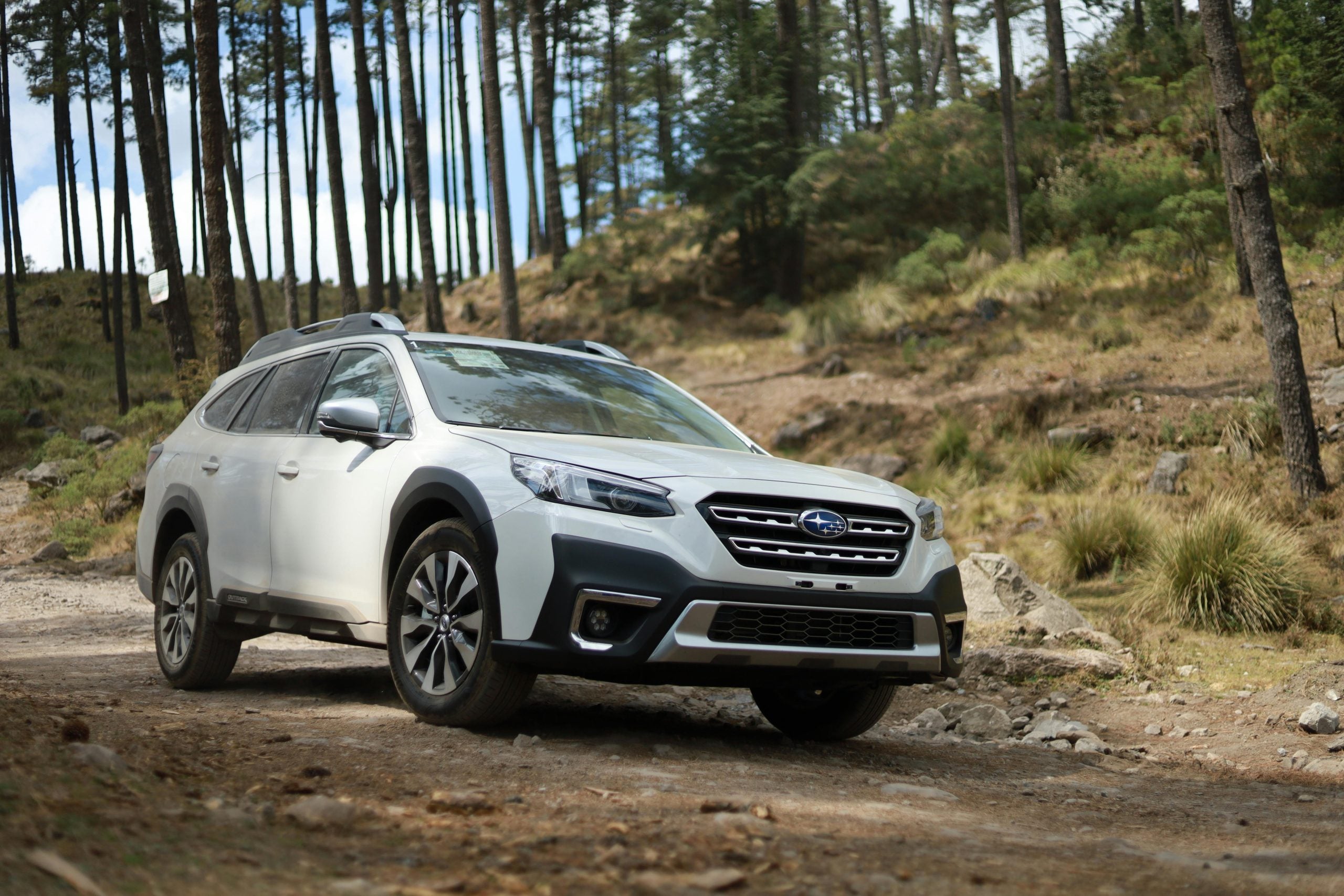
A White Vehicle Parked on Dirt Road

How Long Do Subaru Outbacks Last? Lifespan & Reliability

If you're hunting for a midsize crossover SUV known for its longevity, consider the Subaru Outback. With its impressive off-road capabilities, this car is undoubtedly built for the trail. Its design is practical, and its interior is spacious, making it a solid pick for Plymouth Meeting families. However, how long do Subaru Outbacks last? Read on to discover the answer and learn about the factors contributing to the Subaru Outback's longevity. more New Outback Inventory Understanding the Longevity of Subaru Outbacks A properly cared-for Subaru Outback can last for years and serve you reliably. Its advanced safety features attract many car enthusiasts. It also provides generous trunk space and is available in several trim levels. Subaru Outbacks are praised for their longevity. With regular maintenance, you can expect yours to last between 200,000 and 300,000 miles or from 10 to 20 years. However, beware that improper care could reduce its life span by several miles. Impact of Driving Habits and Environmental Factors Your driving habits affect the longevity of your Subaru Outback. For instance, rapid acceleration in high gear can strain your engine, leading to premature replacement or repair of critical components. Optimal Driving Practices for Longevity Adopting responsible driving habits can minimize stress on your Subaru Outback's systems and extend its longevity. These include the following: Avoid sudden starts and stops to reduce strain on your engine. Drive within the speed limit to protect the tires and engine from excessive wear. Inspect your tires and ensure proper pressure to increase their life span and enhance braking and handling. Rotate your tires every 6,000 to 7,500 miles for optimal performance. Follow Subaru's recommended maintenance schedule to eliminate minor issues before they become serious problems. Weather and Terrain: How They Affect Your Subaru Outback While the Subaru Outback is built to withstand harsh conditions, it's still susceptible to the negative effects of harsh weather and rough terrain. Extreme heat can stress your car's cooling system and reduce the durability of its rubber components. In addition, regularly driving on uneven terrain can cause tire damage, alignment issues, and suspension wear. Storage and Protection Strategies Proper storage and protection methods can help your Subaru Outback last a lifetime. Consider parking it in a garage to shield it from the elements. If you live in an area with heavy snow and ice, we recommend rustproofing it with a quality spray and ceramic coating. A clear protective coating can lengthen your Outback's life while protecting the hood, fenders, and front end from unsightly chips and scratches when navigating harsh terrain. Choosing the Right Model and Year According to RepairPal, the Subaru Outback's reliability rating is 3.5 out of 5.0,  putting it on the list of the top 10 best midsize SUVs on the market. Its enhanced off-road capabilities, practicality, and comfort make this car versatile. However, you must pick the model that fits your driving habits to enjoy these benefits. Subaru Outback Model Comparison: Older vs. Newer Models Before you buy a Subaru Outback, consider whether you prefer a newer or older model. Read on to explore the differences between them: Design: Newer models have sleek, SUV profiles, while older Subaru Outbacks have boxy designs. Fuel economy: Most older Outbacks flaunt a fuel economy of about 25 mpg combined, while newer models boast up to 28 mpg combined. Interior design: Older Subaru Outbacks showcase a utilitarian interior and less auto technology, while the newer models feature a more refined interior with premium materials and advanced tech features. Infotainment system: Older Outbacks use physical buttons and knobs to control its various functions, while newer models have a more convenient touch screen. Noise insulation: Newer Outbacks offer quieter rides because they include better noise insulation features, while older models have noisier cabins. While older and newer Subaru Outbacks differ in many ways, they still share similarities. For instance, most have a generous ground clearance of 8.7 inches. Some trims, such as the Outback Wilderness, provide up to 9.5 inches. Upgrades in Recent Models Below are several impressive features you'll notice in newer Subaru Outback models: Subaru Global Platform: 2020 Outback models and later versions are built on the Subaru Global Platform, which enhances the vehicle's strength and rigidity to improve performance. Dual-function X-MODE: Some Subaru Outback trims include the dual-function X-MODE to improve traction on rough terrain. EyeSight Driver Assist: Newer Outback models feature the upgraded EyeSight Driver Assist, which offers features such as precollision braking and adaptive cruise control to enhance car and driver safety. Tips for Buying a Used Subaru Outback The Subaru Outback's life expectancy is more than 10 years, so investing in a used model is safe, especially if you want to save money and spend less on insurance. Here are some tips to help you choose the model that best fits you: Do your homework: Research some model years, identifying those with features that suit your needs and preferences. Request maintenance records: Invest in a well-maintained Subaru Outback, which can last 200,000+ miles, while a poorly maintained vehicle may experience multiple problems after purchase. Inspect the vehicle: Hire a trustworthy technician to inspect the Subaru Outback you want and identify current and potential future issues so you can make an informed purchase. Run a vehicle identification number, or VIN, check: Protect yourself from being scammed using this process to become familiar with the car's ownership and accident history. Ready To Buy Your Subaru Outback? A new or used Subaru Outback can be a great investment. If you're looking for the right model in Plymouth Meeting, Pennsylvania, begin your search with us at John Kennedy Subaru. Our extensive selection of new and used Subaru vehicles means you'll have plenty of options. We also supply Subaru parts and maintenance services to improve your ride's performance and reliability. Contact us to schedule a test-drive and find the best Outback for your needs.

White Subaru Outback

Battle of the SUVs: 2024 Subaru Ascent vs. Outback

Subaru's SUV lineup has gained respect and trust among adventure enthusiasts and family drivers. With its reputation for rugged reliability and cutting-edge safety features, the Subaru brand shines through its popular models: the 2024 Subaru Ascent and the Outback. To help you decide between them, we compare how these two capable SUVs cater to distinct driver needs. more New Ascents New Outbacks Call Us! Design and Exterior Features Comparison Dimensions When it comes to dimensions, the Ascent and Outback differ significantly, each catering to different needs. The 2024 Subaru Ascent dimensions are 196.8 inches in length, 76.0 inches in width without mirrors, and 71.6 inches in height with the roof rails. The smaller Outback measures 191.1 inches in length, 73.0 inches in width without mirrors, and 66.1 inches in height. Both SUVs have an impressive 8.7 inches of ground clearance, making them ideal off-road adventure vehicles. Styling Both models display Subaru's rugged, adventurous aesthetic with distinctive design elements. With its bold front grille and larger stature, the Ascent has a commanding presence and suits families needing extra space. The Subaru Outback offers a sleek silhouette for those seeking an agile, capable vehicle. Exterior LED headlights and fog lights are standard across trims. Roof rails and power liftgate options also enhance practicality. Interior Comforts and Features Seating Capacity The Ascent accommodates larger families with seating for up to eight passengers, whereas the Outback comfortably fits five passengers. Passenger and Cargo Space Passenger and cargo space for the Ascent and Outback are as follows: Model Passenger Volume (cubic feet) Cargo Space With Seats in Place (cubic feet) Cargo Space With Seats Folded (cubic feet) Ascent 153.2 17.6 72.8 Outback 109.0 32.6 75.6 Interior Materials and Quality Subaru provides various interior options, including cloth, StarTex, and premium leather upholstery, ensuring comfort across all trim levels. If you have a family, the Ascent's luxurious cabin pairs practicality with style. Meanwhile, the Outback's interior delivers a more intimate, adventure-ready vibe. Comfort Both models include heated and ventilated seats and dual-zone climate control. A panoramic moonroof further enhances your driving experience. Performance: Engine Specs and Capabilities Engine Options The Ascent comes with a 2.4-liter turbocharged BOXER engine, delivering 260 horsepower and 277 lb-ft of torque. The Outback has a standard 2.5-liter BOXER engine, providing 182 horsepower and 176 lb-ft of torque. A 260-horsepower 2.4-liter turbocharged version is also available for the Outback. Transmission and All-Wheel Drive Both models utilize the Lineartronic continuously variable transmission paired with Subaru's renowned symmetrical all-wheel-drive system to ensure you have optimal traction in diverse driving conditions. Towing Capacity and Fuel Efficiency The Ascent's base model can tow up to 2,000 pounds, but every other trim can handle 5,000 pounds. The Outback can tow up to 2,700 pounds. You'll appreciate the Ascent's capability if you need to tow heavy trailers. The EPA estimates impressive fuel efficiency. The Ascent manages approximately 20 mpg in the city and 26 mpg on the highway. With the Outback, you can get up to 26 mpg in the city and 33 mpg on the highway with the standard engine. Driving Dynamics The Ascent offers a stable and smooth ride suitable for extended family trips, but it has the ground clearance and all-wheel-drive capability to leave the pavement behind confidently. By contrast, the Outback excels in agility and off-road prowess thanks to its smaller frame and dynamic handling capabilities. Safety Features and Driver-Assistance Technology Both SUVs have Subaru's EyeSight driver-assistance technology, offering adaptive cruise control, lane-keep assist, and pre-collision braking to enhance your confidence and safety. Advanced safety features include blind-spot detection, rear cross-traffic alert, and reverse automatic braking. The Ascent and Outback also boast high safety ratings from the Insurance Institute for Highway Safety and the National Highway Traffic Safety Administration, reinforcing Subaru's commitment to secure transportation. Technology: Infotainment and Connectivity Features Infotainment System The user-friendly infotainment systems in both models have touch screens ranging from 7.0 inches to 11.6 inches. Standard integrations include Apple CarPlay and Android Auto to ensure you have seamless connectivity. Audio Systems and Connectivity The Base Outback trim has a 7.0-inch touchscreen, while all the others have an 11.6-inch version. The Ascent trims all have an 11.6-inch touchscreen, with the top trim adding navigation. Connectivity features include a Wi-Fi hotspot and Subaru STARLINK services to entertain your passengers on long journeys. Pricing, Warranty, and Value Starting MSRP and Trim Levels Pricing for the Ascent begins at $35,740, while the Outback starts at a more accessible $30,240. Each model offers various trims, allowing you to select features tailored to your needs and budget. Warranty Information The Subaru Ascent and Outback come with a basic warranty of three years or 36,000 miles and a powertrain warranty of five years or 60,000 miles. Roadside assistance is also available for both models. Resale Value Subarus have a reputation for their strong resale value, sustained by their reliable build and loyal customer base. This makes both the Ascent and Outback attractive long-term investments. Buyer's Guide: Which to Choose? There are various factors to consider when deciding which model is for you: Family size: With its larger seating capacity, the Ascent is ideal for bigger families. Lifestyle and usage needs: The Outback's adaptable design is great for urban driving and adventures. Budget constraints: The Outback has a more budget-friendly starting price than the Ascent. Performance preferences: The Ascent offers more power and towing capacity, whereas the Outback delivers on fuel efficiency. Space requirements: The Outback provides more cargo volume when needed. Frequently Asked Questions How Reliable Is the Subaru Outback? The Subaru Outback is well-known for its reliability. Thanks to its durable build and consistent performance, it's received high ratings from J.D. Power and Consumer Reports. What Are the Interior Dimensions of the Subaru Outback? The Outback offers 109 cubic feet of passenger volume and nearly 33 cubic feet of cargo space with all seats in place. You can expand this to almost 76 cubic feet with the seats folded. Can the Outback Handle Light Off-Roading Like the Ascent? The Outback is well-equipped for light off-roading, offering features such as X-MODE with hill-descent control. Are There Significant Differences in Maintenance Costs Between the Two Models? Maintenance costs for both vehicles are similar. Scheduled services and general upkeep are in line with industry averages. Subaru's reliability means you typically have lower long-term maintenance expenses. Experience the 2024 Subaru Lineup Today at John Kennedy Subaru Whether you're looking for the family-friendly Ascent or the adventurous Outback, Subaru offers a model tailored to your needs. We invite you to visit our Plymouth Meeting showroom to explore our extensive range of Subaru vehicles or browse our inventory online. Alternatively, contact us to schedule a test-drive or speak with our finance team to discover how you can get behind the wheel of your next Subaru SUV.

Contact Us

Fill out this form below and we'll contact you shortly
*Required Fields