Sales: 610-278-5000 Service: 610-278-5000 Parts: 610-239-2945 | |
Blog / Oil Type

What Type of Oil Does a Subaru Outback Take?

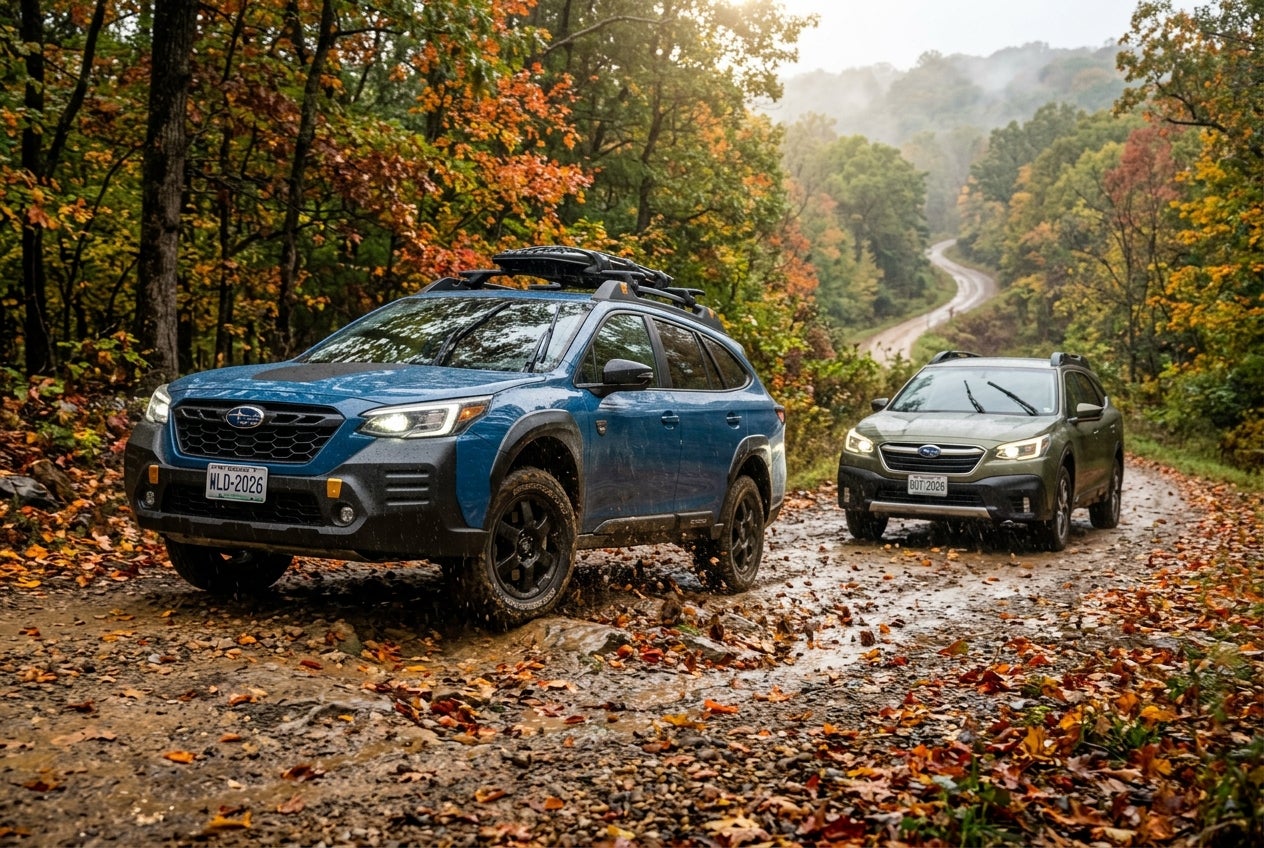
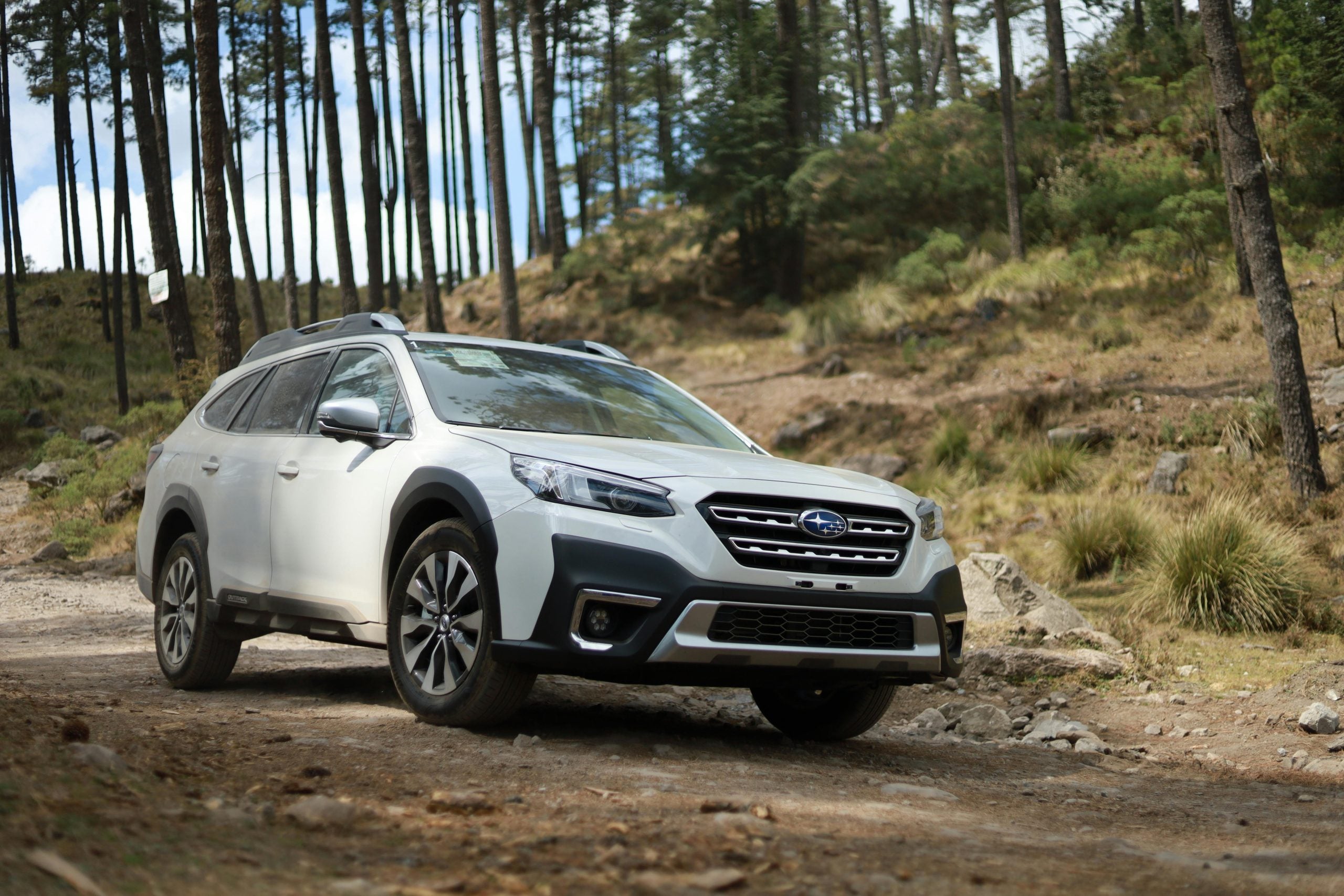
A Subaru Outback on a dirt road

What type of oil does a Subaru Outback take? Choosing the right Subaru Outback engine oil isn't just about buying whatever's available. It's about keeping your BOXER engine running smoothly for years and protecting your investment. The oil you use directly impacts how your engine performs, your fuel economy, and even your warranty coverage. If you choose the wrong one, you could face costly repairs down the road.

Engine-Specific Oil Specifications for the 2025 Outback

The 2025 Subaru Outback comes with two engine options, each with specific oil requirements. The 2.5-liter naturally aspirated BOXER engine uses 0W-20 fully synthetic oil. The 2.4-liter turbocharged BOXER uses the same oil but needs extra attention due to the higher heat it generates. The BOXER engine's horizontal layout changes how oil flows compared to an upright engine, as it must coat components farther apart while maintaining consistent protection across a wide temperature range.

Driving habits can affect how well your oil performs. Frequent short trips, cold weather, and towing all put extra stress on the oil. In these conditions, more frequent oil changes or the use of high-quality formulations may be necessary. Today's Subaru engines always require synthetic oil because it resists heat breakdown, flows well in cold temperatures, and provides longer-lasting protection.

Recommended Oil Viscosity by Climate

Oil numbers, such as 0W-20, indicate viscosity at different temperatures. The first number shows cold-flow ability, and the second indicates its high-temperature thickness. 0W-20 oil flows easily when cold, helping cars start easily in winter. It boosts fuel efficiency, protects engines, and cuts emissions, which is perfect for Northeast winters. Modern synthetic OW-20 works across a wide temperature range without requiring seasonal oil changes.

Some mechanics prefer 5W-30 over factory-recommended 0W-20 for non-turbo Subarus. They believe 0W-20 targets emission standards more than engine longevity. 5W-30 stays thicker at high temperatures and may provide better protection in certain conditions, such as hot weather or hard driving.

Understanding Subaru-Approved Oil Types and Brands

Subaru maintains strict oil standards beyond basic industry certifications. Mobil 1 ESP X2 0W-20 has joined the approved oil list for Subaru vehicles, expanding options while meeting quality standards. These approvals follow serious testing for Subaru's unique engine designs.

Genuine Subaru oil contains special additives for horizontal, opposing engines. These formulas address BOXER engine challenges in which oil reaches the horizontal parts rather than the vertical ones.

The American Petroleum Institute and the International Lubricant Standardization and Approval Committee standards set the performance requirements for engine oils. Subaru-approved formulas address their specific needs in more detail. While Subaru-branded oil isn't required, choosing the recommended oil for your Subaru Outback helps ensure engine management systems function properly and maintains warranty validity. For quality service with genuine parts and approved oils, Subaru-certified service shops provide valued expertise.

Oil Capacity and Change Intervals for the 2025 Outback

Your 2025 Outback holds about 4.4 quarts of oil, including the filter, depending on your engine type. Subaru recommends changing your oil every 6,000 miles or every 6 months, whichever comes first. For normal driving, some suggest oil changes every 10,000 miles, although city drivers dealing with stop-and-go traffic should change it every 3,000 miles. This big range makes sense, as cruising on highways stresses oil less than city driving with all its stops, starts, and idle time. Tough conditions, such as towing, extreme temperatures, or dusty roads, break down oil faster and may require more frequent changes.

More regular oil checks are needed with BOXER engines because they can hide issues that would be obvious in traditional engines. Watch for dark, thick oil, unusual engine sounds, or dashboard warnings. The BOXER engine's horizontal design requires some special steps during oil changes, such as positioning for complete drainage and checking the level carefully after filling.

Step-by-Step Oil Selection Process

Finding the best oil for a Subaru Outback starts with knowing your specific engine. Check your owner's manual or look up your vehicle identification number. Next, determine which viscosity works best based on Philadelphia's weather and your driving style. Then pick from Subaru-approved brands that meet the right standards.

When shopping for oil, have your car's year, engine size, and mileage handy. Price-wise, high-quality synthetic oils cost more upfront but allow for longer intervals between changes, which can save money over time.

When draining the old oil, BOXER engines require extra drain time due to their sideways layout. Follow proper torque specs for the drain plug and filter to avoid leaks without overtightening. After filling, run the engine briefly and recheck levels to catch any problems quickly.

Common Oil-Related Issues and Solutions

High oil consumption is a common complaint among Subaru owners. Causes can include worn piston rings that let oil into the combustion chambers, valve seal problems, issues with the positive crankcase ventilation system, or driving habits that cause engine overheating. Some 2010-2012 models with 3.6-liter engines and 2013 models with 2.5-liter engines had excessive oil consumption due to piston ring design flaws. Subaru extended the warranties on affected vehicles to eight years or 100,000 miles.

Excessive oil use signs include frequent oil additions between services, early oil warning lights, blue exhaust smoke, burning oil smells, or sluggish performance. Oil leaks often come from head gasket failures or other system issues. Mixing oil types causes compatibility issues that affect engine lubrication. Never ignore oil warning lights, as they indicate problems needing immediate attention.

Trust the Experts at John Kennedy Subaru for Your Oil Service Needs

Maintaining your 2025 Outback means more than just using the right oil. You need to know your engine type, your driving habits, and the right service schedule. Both the 2.5-liter and 2.4-liter BOXER engines have specific requirements that are best met with factory-approved oils and proper timing.

Want expert oil service that keeps your 2025 Outback running its best? Our factory-trained technicians use only approved oils and genuine parts, giving your BOXER engine the specialized care it needs. Schedule your next oil change at John Kennedy Subaru in Plymouth Meeting and see why Outback owners trust us with their cars.
Posted in:

Related Posts

Black Subaru Forester

What Type of Oil Does a 2025 Subaru Forester Use?

If you drive a rugged 2025 Subaru Forester, you expect peak performance, whether commuting in Plymouth Meeting or exploring Wissahickon Valley Park. That reliable performance strongly depends on one crucial element: the engine oil in your Subaru Forester. Subaru designed the Forester's Boxer engine to run best on full synthetic oil. In fact, according to Lubes'N'Greases, almost 90% of new cars in the U.S. in 2023 rolled off the lot requiring synthetic oil. This high-quality lubrication lasts longer, protects better, and helps your Subaru run more efficiently. more Schedule Oil Service Understanding Oil Types for Your Subaru Forester To keep your new vehicle in top shape, the first step is figuring out the right viscosity grade. This can differ slightly based on whether your 2025 Forester is the regular gas model or the newer hybrid version. 2.5L Non-Hybrid Models (FB25D) If you have the standard, non-hybrid 2025 Forester, use SAE 0W-20 Full Synthetic Motor Oil. This low-viscosity oil is important in terms of ensuring maximum lubrication and enhancing fuel economy. Plus, it boosts the odds of smooth starts in cold weather, which is a big plus for folks who want to drive around Plymouth Meeting. 2025 Forester Hybrid Models (New for 2025) The new 2025 Forester Hybrid engine is designed to use the ultra-thin SAE 0W-16 Full Synthetic Motor Oil, which is necessary to maximize fuel efficiency and performance. If 0W-16 is unavailable, you may use 0W-20 for temporary top-off only. Please don't forget to switch back to the 0W-16 viscosity when you change your oil again. Turbo Engine Models (Pre-2025 History) For some historical context, the older turbocharged Forester models, last made in 2018, need SAE 5W-30 Full Synthetic Motor Oil. This thicker oil is essential for managing the turbocharger's high heat. Just a heads up: the turbocharged engine option isn't available for the new 2025 model year. Why Synthetic Oil is Required The unique design of the SUBARU BOXER engine requires the superior lubrication properties of synthetic oil. Conventional oil tends to break down more quickly when exposed to heat and stress, which can lead to sludge and decreased protection. On the other hand, synthetic oil lasts longer, withstands thermal breakdown, and maintains the perfect viscosity, making it the best option for Subaru Forester engines. How Much Oil Does a Subaru Forester Hold? Knowing how much oil your Subaru Forester needs is essential, whether you're doing a quick top-off or getting ready for a complete oil change. Subaru Forester Oil Capacity Specifications 2025 Subaru Forester oil capacity (2.5-liter engine): 4.6 quarts (4.4 liters) when replacing the filter. Checking the level: We always suggest picking up five quarts of oil for your Subaru Forester. The amount you use after draining can vary, so it's advisable to check the dipstick after you fill it up. Make sure the oil level is between the full and low marks. Remember, overfilling or underfilling can cause some serious engine problems. If you ever wonder about the Subaru Forester oil capacity or need assistance checking your oil, stop by John Kennedy Subaru in Plymouth Meeting, PA, and our team will be happy to help. Best Oil Brands for Subaru Forester Subaru strongly recommends using Genuine Subaru Synthetic Motor Oil (either 0W-20 or 0W-16) because it's formulated specifically for the Boxer engine. However, there are other trusted brands that meet or exceed these required standards. When picking oil for your Subaru Forester, make sure it meets the American Petroleum Institute (API) classification of SP or has ILSAC GF-6 certification. Subaru Forester owners often recommend: Genuine Subaru Motor Oil: This oil is designed specifically for the Boxer engine and promises reliable performance. Mobil 1: A popular complete synthetic brand noted for its superior wear protection. Castrol EDGE: A high-performance synthetic that delivers maximum strength under intense pressure. Pennzoil Ultra Platinum: A natural gas-derived complete synthetic that provides exceptional cleaning. When selecting the best oil for the Subaru Forester, always verify the viscosity (0W-16, 0W-20, or 5W-30) and ensure it is a high-quality full synthetic. Subaru Forester Oil Change Intervals and Maintenance Regular service is the key to safeguarding the reliability that the Subaru brand is famous for. When it comes to the 2025 Subaru Forester oil change, following the manufacturer's schedule is non-negotiable. Recommended Oil Change Schedule Subaru's standard recommendation for most late-model Foresters is to change the oil and filter every 6,000 miles or every six months, whichever comes first. For normal driving conditions: Stick to the 6,000-mile interval. This is typical for most drivers in the Plymouth Meeting area. For severe driving conditions: If your driving involves frequent short trips, sustained cold weather starts, heavy trailer towing, or dusty conditions, you may need to reduce this interval. Consult your owner's manual for these specific requirements. This schedule is part of a larger maintenance plan. For example, knowing the 2023 Subaru Forester maintenance schedule, which is similar to the 2025 model, reminds us that at the 6,000-mile mark, a tire rotation and multi-point inspection are due. We make sure these services are performed efficiently as part of your 2025 Subaru Forester oil change. Common Oil-Related Issues in Subaru Foresters While modern Subaru models are incredibly dependable, there are a few oil-related issues we sometimes encounter in our service bay that owners should be aware of: Oil consumption monitoring: Some earlier generation (2011-2015) Boxer engines were known to burn oil due to a low-tension piston ring design. While this is not typically an issue with the new 2025 models, we still recommend checking your oil level regularly. If you notice an ongoing need to add a quart of oil between scheduled changes, schedule service with us right away. Oil leaks: As with any vehicle, gaskets and seals can eventually give out. Minor leaks are commonly found in valve cover gaskets and oil pan gaskets. Our skilled technicians can quickly diagnose and repair these leaks, preventing costly engine damage. Schedule a Service Appointment for Your Subaru Forester at John Kennedy Subaru Plymouth We know that the cost of your Subaru Forester oil change is important. At John Kennedy Subaru, we provide fair pricing and upfront service estimates, utilizing only genuine Subaru components. Our factory-trained team is ready for your first 2025 Subaru Forester oil change or any other service need. Contact us or utilize our online system to schedule service and keep your Forester running properly in Plymouth Meeting.

suby

Fall Foliage Drives Near Plymouth Meeting, PA | John Kennedy Subaru

Fall Foliage Drives Near Plymouth Meeting, PA As the days get shorter and the air turns crisp, the parks, trails, and back roads around Plymouth Meeting transform into one of the best fall foliage destinations in the Philadelphia area. Pennsylvania has one of the longest and most varied fall foliage seasons in the country, and you don't have to travel far to see it. Here's a local guide to the best fall foliage drives near Plymouth Meeting, brought to you by John Kennedy Subaru. Wissahickon Valley Park Just a short drive from Plymouth Meeting, Wissahickon Valley Park is consistently ranked among the best places in the region to see fall color. The park spans 1,800 wooded acres across both Philadelphia and Montgomery Counties, with more than 50 miles of trails winding along Wissahickon Creek. The seven-mile Forbidden Drive is the easiest way to take it all in, leading to the Thomas Mill Covered Bridge, the last remaining covered bridge in Philadelphia and one of the park's most photographed fall spots. Peak color typically arrives in the last week of October through the first two weeks of November. Fort Washington State Park Continuing north from the Wissahickon, Fort Washington State Park connects to the same forested corridor via the Wissahickon Trail, also known as the Green Ribbon Trail. It's a great add-on stop for a longer fall drive, with wooded hiking paths and an easy-to-reach overlook that puts a wide sweep of Montgomery County's fall color on display. Valley Forge National Historical Park A quick drive toward King of Prussia, Valley Forge National Historical Park pairs Revolutionary War history with some of the most photogenic fall scenery in the area. Its rolling fields and monuments are just as striking from behind the wheel as they are on foot, making it an easy loop to add to any fall day trip from Plymouth Meeting. Evansburg State Park A bit farther out near Skippack and Collegeville, Evansburg State Park offers a mix of forest trails and open meadows along Skippack Creek. It's a quieter alternative to the more heavily trafficked Wissahickon, with plenty of picnicking spots to enjoy the season at a slower pace. Green Lane Park For a bigger day trip, Green Lane Park is the largest park in Montgomery County at 3,400 acres, with a trail network ranging from easy, flat walks to higher-elevation hikes with sweeping views. It's one of the best spots in the county for both fall color and birdwatching in the same trip. The Cross County Trail For something closer to home, the Cross County Trail runs from Conshohocken directly into Plymouth Meeting as a spur off the Schuylkill River Trail, making it one of the most convenient fall color walks for anyone right in our own backyard. The Best Way to Take In the Season Whether you're winding through the Wissahickon, looping Valley Forge, or heading out to Green Lane Park for the day, a fall foliage drive is a lot more enjoyable in a vehicle built for changing conditions. Every Subaru comes with standard Symmetrical All-Wheel Drive, so wet leaves on a shaded back road or an early frost won't cut your foliage tour short. Get Fall-Ready with a Subaru from John Kennedy Subaru Whatever your route this fall, our team can help you find the right Subaru for the drive. Browse New Subaru Inventory Schedule a Test Drive Proudly Serving Plymouth Meeting and the Surrounding Communities John Kennedy Subaru is a convenient stop for drivers throughout Montgomery County and the greater Philadelphia area heading out to enjoy the season. We're proud to serve drivers from: Plymouth Meeting, PA Conshohocken, PA West Conshohocken, PA Norristown, PA East Norriton, PA West Norriton, PA King of Prussia, PA Blue Bell, PA Whitemarsh, PA Lafayette Hill, PA Ambler, PA Fort Washington, PA Ardmore, PA Philadelphia, PA No matter which of these communities you call home, our Plymouth Meeting showroom is just a short drive away. Visit our homepage to learn more about financing, trade-ins, and current offers before you hit the road this fall. Park hours, trail conditions, and seasonal offerings referenced above are subject to change. Please check with each destination directly for current hours and availability before visiting.

2025_Honda_Pilot_vs._2024_Subaru_Ascent_A_o

2026 Subaru Ascent vs. Honda Pilot | John Kennedy Subaru

2026 Subaru Ascent vs. Honda Pilot: Which Three-Row SUV Fits Your Family? When it's time to find a three-row SUV for the whole family, the Subaru Ascent and the Honda Pilot are two of the most cross-shopped names in the segment. Both offer seating for up to eight, strong towing capability, and genuinely useful family features. But they take different approaches to all-weather capability, power, and everyday practicality. Here's a full breakdown from the team at John Kennedy Subaru of Plymouth Meeting to help you decide which one truly fits your family. Quick Comparison: 2026 Ascent vs. 2026 Pilot Starting MSRP — Ascent: $40,795 | Pilot: $42,395 Standard Engine — Ascent: 2.4L Turbo Boxer, 260 hp / 277 lb-ft | Pilot: 3.5L V6, 285 hp / 262 lb-ft Drivetrain — Ascent: standard Symmetrical AWD on every single trim | Pilot: front-wheel drive standard, AWD optional on Sport/EX-L, standard only from TrailSport up Max Towing — Ascent: up to 5,000 lbs (every trim) | Pilot: up to 5,000 lbs with AWD, only 3,500 lbs with FWD Ground Clearance — Ascent: 8.7 inches | Pilot: up to 8.3 inches (TrailSport) Seating — Ascent: up to 8 passengers | Pilot: up to 8 passengers Max Cargo (rear seats folded) — Ascent: up to 75.6 cu ft | Pilot: up to 87–112 cu ft Standard Safety Suite — Ascent: EyeSight Driver Assist Technology | Pilot: Honda Sensing All-Wheel Drive: The Ascent's Biggest Advantage This is the single most important difference between these two SUVs. Every 2026 Subaru Ascent comes standard with Symmetrical All-Wheel Drive, no exceptions and no upcharge, across all seven trims. The Honda Pilot, by contrast, starts as a front-wheel-drive SUV on its base Sport and EX-L trims, with AWD offered only as a paid option — and even then, FWD Pilot models are limited to 3,500 lbs of towing versus 5,000 lbs with AWD. For Plymouth Meeting and Montgomery County families who deal with real winter weather, that means every single Ascent on the lot is already built for the conditions, while Pilot shoppers have to make sure they're looking at the right trim and drivetrain combination to get the same capability. The Ascent also holds a ground clearance advantage at 8.7 inches, edging out even the Pilot's off-road-focused TrailSport trim at 8.3 inches. Combined with standard X-MODE and Hill Descent Control, the Ascent is built to handle rougher terrain and worse weather right out of the box, on every trim — not just the priciest one. Power and Towing The Pilot's 3.5L V6 does produce more horsepower on paper (285 hp vs. the Ascent's 260 hp), and its smooth V6 character is a genuine strength. But the Ascent's turbocharged boxer engine actually delivers more torque (277 lb-ft vs. 262 lb-ft), which translates to strong low-end pulling power for merging, passing, and towing. Both SUVs top out at a useful 5,000 lbs of towing capacity — but the Ascent reaches that number as standard equipment on every trim, while the Pilot only hits its full 5,000-lb rating once you've added AWD. Space, Safety, and Family Features Subaru positions the Ascent as offering more overall passenger space than several competitors in this class, and it comes standard with EyeSight Driver Assist Technology, along with available features like DriverFocus distraction mitigation and Cabin Connect, which lets the driver talk to third-row passengers without turning around. The Pilot counters with a genuinely spacious cabin of its own, a new-for-2026 12.3-inch touchscreen, and a larger maximum cargo capacity when both rear rows are folded flat — a real advantage for families who occasionally need to haul more gear than passengers. To Be Fair: Where the Pilot Holds Its Own The Pilot isn't without real strengths. Its 285-hp V6 is smooth and refined, its maximum cargo volume beats the Ascent's by a wide margin, and its new 12.3-inch touchscreen is a meaningful upgrade for 2026. The TrailSport trim also offers genuine off-road-oriented hardware and second-row captain's chairs for families who want a slightly different flavor of capability. If maximum cargo space and horsepower on paper matter most to you, the Pilot is a strong, well-rounded choice. The Verdict Both of these three-row SUVs are excellent choices for growing families. But for buyers who want standard all-wheel drive on every trim without paying extra, a higher ground clearance, and full towing capability regardless of which trim you choose, the 2026 Subaru Ascent comes out ahead. The Pilot remains a strong pick for families who prioritize maximum cargo room and V6 smoothness, but if all-weather confidence and standard capability across the entire lineup matter most, the Ascent is the stronger overall package. See the 2026 Subaru Ascent for Yourself Visit John Kennedy Subaru of Plymouth Meeting to test drive the Ascent and see how it compares to the Pilot in person. View Ascent Inventory Schedule a Test Drive Proudly Serving Plymouth Meeting and the Surrounding Communities John Kennedy Subaru of Plymouth Meeting is a convenient stop for Ascent shoppers throughout Montgomery County and the greater Philadelphia area. We're proud to serve drivers from: Plymouth Meeting, PA Norristown, PA East Norriton, PA West Norriton, PA Conshohocken, PA King of Prussia, PA Valley Forge, PA Blue Bell, PA Whitemarsh, PA Ardmore, PA Philadelphia, PA No matter which of these communities you call home, our Plymouth Meeting showroom is just a short drive away. Browse our full new Subaru inventory or visit our homepage to learn more about financing, trade-ins, and current offers. Pricing, specifications, and third-party data referenced above are current as of publication and sourced from Subaru.com, Honda.com, Edmunds, Kelley Blue Book, TrueCar, and Autoblog. Specs and pricing are subject to change by each manufacturer and may not include destination fees, taxes, title, or dealer charges. See John Kennedy Subaru of Plymouth Meeting for current pricing, incentives, and availability.