Sales: 610-278-5000 Service: 610-278-5000 Parts: 610-239-2945 | |
Blog / Subaru Outback

Which Subaru Outback Model Years Are Best to Buy in 2025?

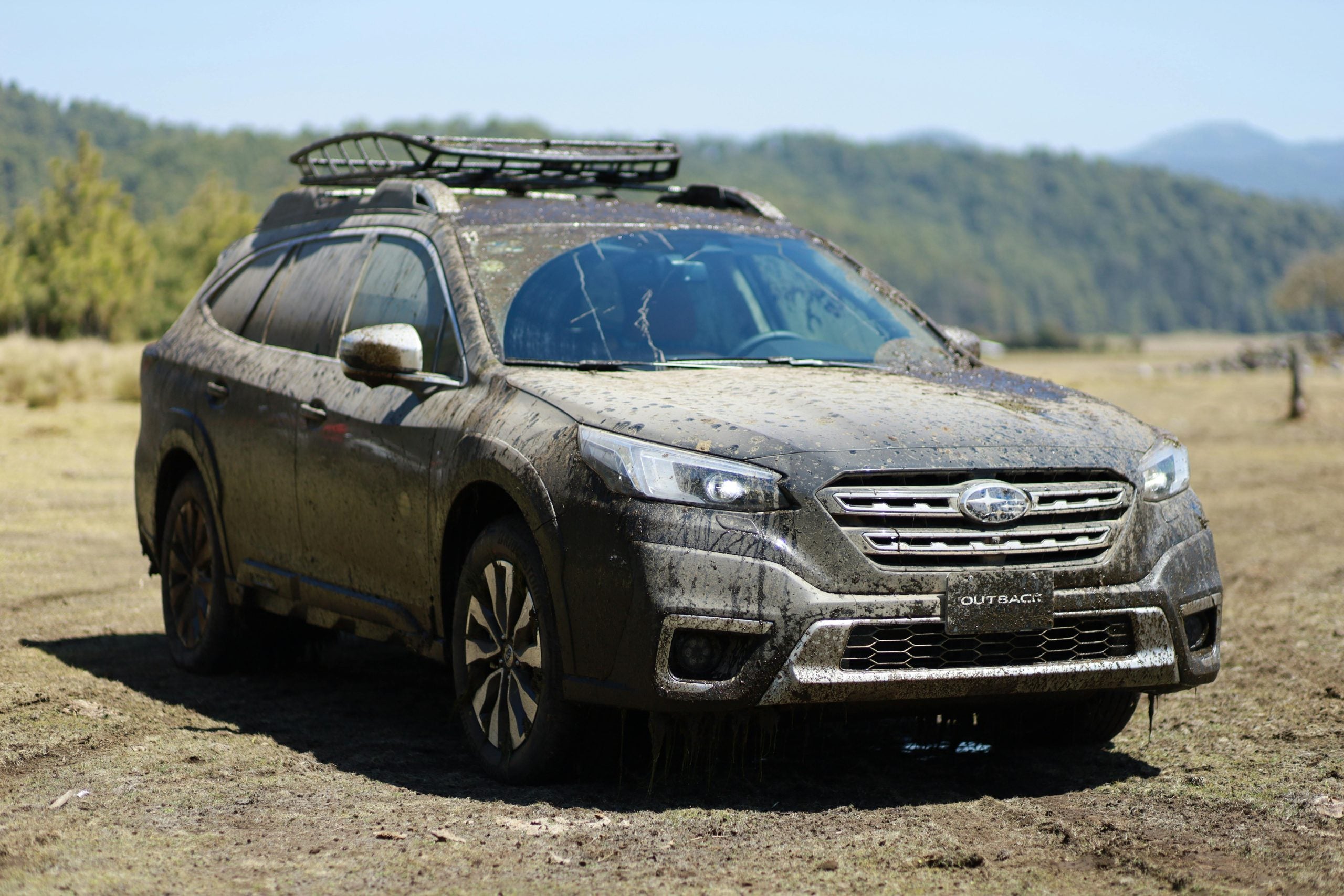
Dirty Subaru Outback

If you're shopping for a new or used Subaru Outback, knowing which model year to choose can be tough. That's why we've put together this guide, which explains the years that truly stand out and those you should avoid, helping you find the perfect mix of reliability, features, and value for your budget.

Subaru Outback Generation Breakdown (1995-2025)

The Outback's legacy unfolds across six generations:

  • First generation (1995-1999): A Legacy wagon with a 2.5-liter flat-four engine and standard all-wheel drive
  • Second generation (2000-2004): A roomier vehicle with an optional H-6 engine
  • Third generation (2005-2009): More SUV-like styling, but head gasket issues were common
  • Fourth generation (2010-2014): Grew in size and comfort, but early models struggled with transmission issues
  • Fifth generation (2015-2019): Improved reliability, fuel efficiency, and safety tech
  • Sixth generation (2020-present): The most advanced and dependable yet

Best Years for the Subaru Outback

The fifth-generation 2019 model tops our list. By this point, Subaru had resolved the transmission issues that plagued earlier fifth-generation models. Plus, all trims come standard with EyeSight driver-assist technology, which acts as a second pair of eyes on the road when your attention drifts. This model is still fairly new but has already proven its worth on highways and backroads throughout Pennsylvania. With just three recalls and a J.D. Power Quality & Reliability score of 80/100, it's a great buy if you're looking for a used Outback.

The 2014 model deserves attention, too. As the launch year for the fifth generation, it introduced the platform design that's still used today, plus it delivers modern features at a more affordable price point. Alternatively, if you're looking for sixth-generation features without the high price tag, consider the 2020 model. Just be aware that there were some early production issues with this Outback, which is why J.D. Power gives it a Quality & Reliability score of just 71.

The 2016 Outback rounds out our top picks. It's a solid fifth-generation choice that suffers from fewer glitches than some years.

Subaru is renowned for building dependable vehicles, which is why Consumer Reports named it the most reliable car brand for 2025. With proper care, its vehicles can hit 200,000 to 300,000 miles or last 10 to 20 years. For the best long-term value, look for a used Outback that's about 4 to 6 years old with around 50,000 miles on the clock.

Subaru Outback Years To Avoid

Not all Outbacks are created equal. Some model years are well known for mechanical issues and costly repairs. The 2010 Outback is one to avoid, having been subject to 18 recalls, the most of any version. It typically develops head gasket leaks around 100,000 miles and is known for its excessive oil consumption. It also suffers from transmission and airbag issues.

The 2011 and 2012 models are close behind, with 16 recalls each, with both being plagued by similar problems.

When it comes to more recent models, the 2020 sixth-generation Outback is the most problematic, with six recalls for issues involving the drive chain, fuel pump, airbags, brake pedals, and rearview camera. Add to this reports of spontaneously cracking windshields, and you might want to think twice before opting for this model year.

New vs. Used Subaru Outbacks: What's the Best Value in 2025?

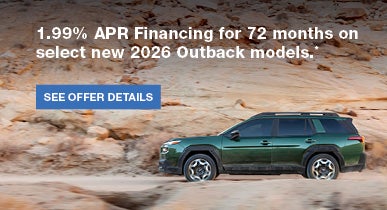
Your budget and priorities will determine whether to buy new or used. New Outback buyers enjoy the benefits of full warranty coverage, the latest safety features, and attractive financing deals — with some as low as 1.9% APR on 2025 models. But the thrill of buying a new car comes with one big drawback: instant depreciation. The second you drive off the lot, your investment starts losing money.

By buying used, you can skip that initial depreciation hit. For example, you can often pick up a 2024 model for around $9,000 less than its original price tag. That's substantial savings. Buy a 2-year-old Outback and you'll save roughly $12,000 compared to buying new. According to the experts at CarEdge, Subarus hold their value better than most brands, making them a great long-term investment.

Find Your Perfect Subaru Outback in Plymouth Meeting

If you're ready to find your perfect Outback, contact us at John Kennedy Subaru to discover what's available in our inventory, talk about budget-friendly financing, and tap into our know-how about which Outback fits your lifestyle. With a full service department and genuine parts in stock, we can keep your Outback running strong for years after you drive it home.

Posted in:

Related Posts

Subaru Outback on a snowy trail

What Is the Best Year for a Used Subaru Outback?

Shopping for a used Subaru Outback means navigating nearly 30 years of model variations, each with unique strengths and quirks. Some years shine for reliability while others pack modern safety tech at competitive prices. Understanding which years deliver the best value helps you avoid costly mistakes and find an Outback that fits your lifestyle perfectly. more Used Outback Inventory Best Years for a Used Subaru Outback: Quick Recommendations Focus your search on 2009, 2010-2012, 2016-2017, and 2021-2022 models. These years consistently earn high marks for dependability and owner satisfaction. The 2009 model stands out as the final third-generation year, with the fewest overall complaints and most design and mechanical issues resolved. You'll find solid reliability in the 2010-2012 range, which features the dependable 3.6L H-6 engine paired with a durable five-speed automatic transmission (preferred over CVT-equipped models). The 2016 and 2017 models hit a sweet spot, delivering EyeSight safety technology, an updated CVT, comfortable long-distance ride quality, and efficient fuel economy. Ready to find your ideal Outback? Browse our used Subaru inventory to see available models matching these recommended years. Understanding Subaru Outback Generations The Subaru Outback has evolved through six distinct generations since 1995. Generation shifts bring new platforms, engines, and safety systems that directly impact your buying decision. Late-generation models usually incorporate refinements that fix early problems, while first-year redesigns might offer lower prices despite potential teething issues. Generation Years Key Developments Fourth 2010-2014 Larger platform, CVT introduction, optional 3.6L H6, improved AWD Fifth 2015-2019 EyeSight integration, refined 2.5L/3.6L engines, better ride quality Sixth 2020-Present Subaru Global Platform (70% torsional rigidity increase), 2.4L turbo replacing 3.6L (247 lb-ft torque from the outgoing 3.6L, surpassed by the new 2.4L turbo's 277 lb-ft) Fourth Generation (2010-2014): The Size Increase Era Subaru significantly enlarged the Outback for 2010, transforming it from a raised wagon into a true crossover alternative. This generation grew by nearly 4 inches, offering substantially more interior space and cargo capacity. The result? It could finally compete with traditional SUVs while maintaining better fuel economy and handling. This generation brought the Lineartronic CVT, which replaced the traditional automatic transmission. The CVT improved fuel efficiency but raised reliability concerns in early models. By 2012, Subaru had addressed most CVT issues, making later fourth-generation models much more dependable. The overall package works well for outdoor enthusiasts and families who need space without the bulk of an SUV. Fifth Generation (2015-2019): Modern Safety and Refinement The fifth generation shifted focus toward safety technology and refined driving dynamics. Subaru's EyeSight suite became standard on most trims, bringing adaptive cruise control, pre-collision braking, and lane-keep assist to mainstream prices. The interior received meaningful upgrades in materials, ergonomics, and infotainment functionality. The 2016 and 2017 models really shine here, incorporating EyeSight refinements while avoiding the issues that plagued the 2015 launch year. Overall reliability improved compared to earlier iterations, especially after the first model year worked out initial bugs. Our certified pre-owned Outbacks often include these popular fifth-generation models with extended warranty coverage. Sixth Generation (2020-Present): Complete Redesign The 2020 redesign brought comprehensive changes built on the Subaru Global Platform, improving rigidity by 70% while enhancing handling and crash protection. The turbocharged 2.4-liter engine joined the lineup, producing significantly more torque than the previous 3.6L's 247 lb-ft while offering better efficiency. Interior quality jumped noticeably with an available 11.6-inch touchscreen and premium materials throughout. The 2022 model added the rugged Wilderness trim with increased ground clearance, all-terrain tires, and distinctive styling for off-road enthusiasts. While early 2020 models experienced infotainment glitches typical of first-year redesigns, the 2021 and 2022 models addressed most issues. Compare these latest advancements with the new Outback models to find the option that best fits your budget. Most Reliable Used Subaru Outback Model Years Reliability data consistently points to 2009, 2010-2012, 2016-2017, and 2021-2022 based on owner reports and repair frequency. The 2009 model benefits from being a late third-generation vehicle with all major issues resolved. It lacks modern features but compensates with proven durability, keeping maintenance costs manageable. The 2010-2012 stretch introduced new technology that's proven dependable after initial CVT concerns were addressed. The 2012 stands out particularly well, combining fourth-generation space with mature technology execution. These models regularly surpass 200,000 miles with proper maintenance (most Subaru Outbacks last 160,000-220,000 miles under proper care). The 2016 and 2017 models incorporate mature versions of EyeSight and other modern systems without excessive complexity. These years show lower repair frequencies compared to the surrounding model years. The most recent 2021 and 2022 models continue this trend, incorporating the latest advancements while maintaining Subaru's reputation for longevity. Year Range Generation Key Strengths Potential Drawbacks 2005-2009 Third Durable, affordable, high-mileage potential Head gasket/oil issues in 2.5L 2010-2012 Fourth Size upgrade, H6 engine reliability Early CVT in some 2.5L 2016-2017 Fifth Safety tech, comfort Minor oil concerns possible 2021-2025 Sixth Top reliability scores, advanced features Higher cost for newer used Subaru Outback Years to Consider Carefully and Why A few model years stand out as higher-risk used purchases. The 2013 model has the most documented reliability concerns, with defective piston rings linked to excessive oil consumption and potential engine damage, as well as early CVT issues. The 2014 model carries forward similar oil consumption and CVT concerns, warranting the same careful consideration. The 2018 model accumulated numerous NHTSA complaints regarding fragile windshields, infotainment failures, and electrical problems. The 2020 model, as the first year of the sixth generation, showed the electrical growing pains common to complete redesigns, including dead batteries, stalling, and miscellaneous electrical issues. Both years are available at attractive prices, but a thorough pre-purchase inspection is especially important to ensure any potential repair costs are factored into the deal. Known Problem Areas by Generation The fourth generation saw early CVT concerns primarily in the 2010 and 2011 models, with some owners reporting shuddering, hesitation, or transmission failure. Subaru extended CVT warranties on some vehicles, though older models may have exhausted that coverage. Some fourth-generation models also experienced head gasket failures, though less frequently than earlier Subaru generations. The fifth generation's main watchpoints center on electrical systems, particularly in the 2015 model, where infotainment freezing, backup camera failures, and sensor malfunctions were reported. The 2018 model saw oil consumption in a subset of 2.5-liter engines, with some owners reporting around a quart every 1,000 to 1,500 miles. Sixth-generation concerns are comparatively minor, largely limited to early software glitches rather than mechanical problems. The 2020 model's infotainment system drew complaints about slow response times, frozen screens, and connectivity issues, most of which Subaru addressed through software updates. Shoppers who want a sixth-generation Outback with these early issues already resolved will find the 2021 and 2022 models to be the more straightforward choice. Matching the Right Outback Year to Your Needs Your ideal Outback year depends on balancing budget constraints with feature priorities. Someone planning 3-4 year ownership might prioritize a lower purchase price, while a 10-year keeper should emphasize reliability records. Mileage matters more than age for many Outbacks (a well-maintained 2014 with 75,000 miles often beats a neglected 2017 with 120,000 miles). Budget-Friendly Options Under $20K Fourth and fifth-generation models from 2010-2019 dominate the under-$20K market. Focus on 2010-2012 or 2016-2017 models for better value. The 2012 models particularly shine, offering refined fourth-generation benefits at depreciated prices. Expect higher mileage in this price segment. Many sub-$20K Outbacks show 80,000-120,000 miles, which is acceptable for well-maintained examples. Subaru's reputation for longevity means these miles shouldn't concern you if maintenance records look solid. Explore our flexible financing options to find payment plans matching your budget. Best Balance of Reliability and Modern Features The 2016 and 2017 models occupy the sweet spot between reliability and contemporary features. These vehicles incorporate EyeSight technology, updated infotainment, and refined powertrains without excessive complexity. The 2017 model particularly stands out, combining fifth-generation maturity with features that remain relevant today. These years offer comfortable rides and safety systems that match or exceed many current models, including blind-spot monitoring, rear cross-traffic alert, and automatic emergency braking, without new-car premiums. Expect to spend $ 18 K –$25K, depending on mileage and trim level. What to Check When Buying a Used Subaru Outback Start every used Outback evaluation with a comprehensive vehicle history report checking for accidents, title issues, and service records. Pay special attention to transmission service history, especially on CVT-equipped models. Regular CVT fluid changes every 30,000-40,000 miles significantly extend transmission life. Schedule a pre-purchase inspection. Our service department can perform thorough evaluations, checking for common issues such as oil consumption, CVT problems, and head gasket leaks, depending on the model year. Test drive the vehicle on highways and rough roads to assess CVT behavior, suspension condition, and overall comfort. The infotainment system should respond quickly, cameras should display clearly, and climate controls should operate smoothly. Check underneath for rust, especially on vehicles exposed to Southeastern PA road salt during the winter months. Inspect the exhaust system, suspension components, and body panels for corrosion. Examine tire wear patterns for even wear, revealing alignment and suspension health. Ask about head gasket replacement on older models, timing belt service if applicable, and whether any recalls remain open. Find Your Perfect Used Outback at John Kennedy Subaru Why Choose Our Dealership Shopping at John Kennedy Subaru offers advantages beyond typical used-car lots. Every pre-owned Outback undergoes thorough inspection and reconditioning by certified technicians who know these vehicles inside and out. With over 60 years of serving Plymouth Meeting, Norristown, and the surrounding Southeastern Pennsylvania, we combine local knowledge with professional service that continues long after your purchase. Our selection spans budget-friendly fourth-generation models through nearly-new sixth-generation Outbacks with full warranty coverage remaining. Whether you need a practical family hauler under $20K or want the latest Wilderness trim for weekend adventures, our inventory offers options for every lifestyle. Take the Next Step This family-owned dealership emphasizes long-term relationships over quick transactions, ensuring you get honest answers about which model year truly fits your needs. Our transparent pricing and customer-focused approach make the buying process straightforward without pushy sales tactics. Visit us at 1201 E Ridge Pike in Plymouth Meeting or call 844-709-4104 to discuss your used Outback search. Sales hours run Monday through Friday, 9 AM to 8 PM, and Saturday, 9 AM to 5 PM. You can also contact our team online to start the conversation about finding your perfect used Subaru Outback today.

2024-Subaru-Outback-Camping

Difference Between A Premium & Limited Subaru Outback

Choosing the right Subaru Outback trim can feel overwhelming when you're comparing similar-sounding packages. The difference between Premium and Limited Subaru Outback trims often comes down to how you prioritize comfort, technology, and budget. Both options deliver Subaru's legendary all-wheel-drive capability and spacious versatility, but they cater to different lifestyles and preferences. Understanding what separates these two popular trims helps you avoid paying for features you won't use while ensuring you don't miss out on conveniences that matter most during Pennsylvania winters and your daily commute. more Premium Limited Subaru Outback Premium vs Limited: Quick Comparison Overview The Subaru Outback Premium vs Limited debate centers on balancing value against enhanced luxury. Premium trim buyers get a well-equipped crossover with core features that satisfy most drivers. You'll find comfortable synthetic leather seating (Starex), essential safety technology, and a capable infotainment system that handles smartphone integration smoothly. Limited trim elevates the experience with genuine leather upholstery and additional convenience features. This trim targets buyers who spend significant time behind the wheel and want their vehicle to feel more refined. Both trims share identical engine options and drivetrain performance, so acceleration, towing capacity, and fuel efficiency remain consistent. The real distinction shows up in cabin ambiance and tech sophistication. Here's how these trims compare across key categories: Feature Category Premium Limited Wheels 18-inch alloy wheels 18-inch dark-finish alloy wheels Upholstery Synthetic leather (Starex) Leather Front Seats Heated; 10-way power driver's seat with lumbar; 4-way manual passenger seat Heated; 12-way power driver's seat with 2-position memory and power lumbar; 8-way power passenger seat Rear Seats Standard Heated outboard rear seats Steering Wheel Standard Heated Infotainment 11.6-inch touchscreen; wireless Apple CarPlay/Android Auto 11.6-inch touchscreen with navigation; wireless Apple CarPlay/Android Auto Audio Standard audio system 12-speaker Harman Kardon premium audio Convenience Power liftgate; keyless entry with PIN code access; roof rails with crossbars Power tilt/slide moonroof; rain-sensing wipers; wireless charging pad Safety EyeSight Driver Assist (adaptive cruise, lane centering, blind-spot warning, rear cross-traffic alert); LED headlights EyeSight Driver Assist; blind-spot warning; rear cross-traffic alert; reverse automatic braking Ground Clearance 8.7 inches 8.7 inches AWD/Terrain Symmetrical AWD; X-MODE with Hill Descent Control Symmetrical AWD; X-MODE with Hill Descent Control Pricing and Value: What Separates These Trims The pricing gap between these trims reflects the material upgrades, additional technology, and convenience features bundled into Limited. Budget-conscious shoppers appreciate how Premium delivers solid value without sacrificing Subaru's safety reputation or capability. When evaluating costs, consider your priorities beyond the sticker. Limited's enhanced features often improve resale value, as luxury touches appeal to secondary-market buyers. Premium's lower initial cost means smaller monthly payments if you're financing, potentially freeing up budget for other priorities. To explore the current Outback selection and discuss pricing options, visit our Plymouth Meeting showroom. Interior Comfort and Premium Upgrades Stepping inside these packages reveals where your money goes. Limited transforms the cabin into a quieter, more comfortable sanctuary with materials that feel noticeably more upscale. You'll immediately recognize differences in seat texture, trim panel quality, and overall refinement. Premium maintains practical comfort suitable for daily commutes and weekend adventures, though it skips some indulgent touches. Cargo space and passenger room stay identical across trim levels, so both accommodate families and gear equally well. The distinction appears in how the space feels rather than how much you get. Limited's added insulation and premium materials create a cabin that dampens road noise more effectively during long highway stretches. Seating Materials and Adjustability Limited upgrades to leather-trimmed upholstery that resists wear better than Premium's Starex synthetic leather while offering easier cleanup. The genuine leather surfaces feel softer and add visual sophistication. The 12-way power driver's seat with memory functions in Limited lets multiple drivers save their preferred positions, eliminating the need to constantly readjust when you share the vehicle. Limited also includes an 8-way power passenger seat, whereas Premium offers a 4-way manual adjustment. Premium's Starex synthetic leather still provides solid comfort for most situations, particularly for drivers who prioritize durability. The 10-way power adjustment for the driver's seat gives sufficient customization for comfortable positioning during Southeastern PA commutes. Climate Control and Convenience Features Limited includes heated rear outboard seats, extending comfort to back-seat passengers during winter months (a thoughtful touch for families navigating cold Pennsylvania mornings). The heated steering wheel in Limited adds another layer of cold-weather comfort that Premium lacks. Premium comes standard with heated front seats, covering essential comfort needs. Both trims feature Subaru's climate control systems that maintain cabin temperature effectively, though Limited adds rain-sensing wipers that automatically adjust to precipitation intensity. That's particularly useful during unpredictable weather in Southeastern Pennsylvania. Technology, Infotainment, and Connectivity Comparing these trims reveals significant tech differences. Both feature the same 11.6-inch touchscreen, but Limited adds built-in navigation while Premium requires smartphone-based navigation through Apple CarPlay or Android Auto. Both trims include wireless smartphone integration, ensuring your phone connects seamlessly. Limited's power moonroof adds an open-air experience, while the wireless charging pad eliminates cable clutter for compatible devices. Premium includes keyless entry with PIN code access (a practical feature both trims share). Audio and Navigation Systems Limited upgrades to a 12-speaker Harman Kardon premium audio system with strategically positioned speakers throughout the cabin. The enhanced system delivers noticeably clearer highs, deeper bass, and better overall sound staging. Built-in navigation is standard on Limited and offers real-time traffic updates. Premium includes a capable standard audio system that satisfies most listeners. You can access navigation through smartphone integration, which many drivers prefer since phone apps update automatically and feel more familiar. Driver Assistance and Safety Technology Subaru's EyeSight driver assistance system comes standard across both trims, ensuring core safety features appear in both packages. You get adaptive cruise control, pre-collision braking, lane departure warning, and lane-keeping assist regardless of which trim you select. Both trims include Subaru's Symmetrical AWD and X-MODE with Hill Descent Control (essential for confident handling during Pennsylvania winters). Limited adds reverse automatic braking for additional parking lot protection. Both trims feature LED headlights, blind-spot warning, and rear cross-traffic alert as shown in the comparison table above. Exterior Styling and Functional Differences Visual distinctions between Limited and Premium appear subtle but create different impressions. Limited rides on dark-finish 18-inch alloy wheels that add visual sophistication compared to Premium's standard 18-inch alloys. Both trims maintain the same 8.7-inch ground clearance for confident off-road capability. Limited's power moonroof adds exterior visual interest and interior openness. Both trims include roof rails with crossbars (Premium) for mounting cargo boxes or outdoor gear, while both feature power liftgates. Limited's includes additional hands-free operation when you approach with the key fob. Which Subaru Outback Trim Is Right for You? Deciding between these packages requires an honest assessment of your priorities and usage patterns. Neither trim represents a wrong choice since both deliver Subaru's renowned reliability and capability. Your decision should align with how you'll actually use the vehicle. Test-driving both configurations lets you experience differences firsthand. What seems insignificant on paper often feels more meaningful when you're sitting in the driver's seat. Contact our team to arrange comparison drives of both trims. When the Premium Trim Makes Sense Premium works brilliantly for practical buyers who want capability without luxury frills. The Starex synthetic leather upholstery is durable and easy to maintain, while heated front seats provide cold-weather comfort. Drivers who already rely on smartphone navigation won't miss built-in systems, making Premium's tech package adequate. Premium appeals to those planning shorter ownership periods since the lower purchase price means less depreciation exposure. Buyers who prioritize saving money for other financial goals while still getting a safe, reliable vehicle find Premium's value proposition compelling. When the Limited Trim Is Worth the Upgrade Limited justifies its premium for drivers who log serious miles annually. If you regularly take road trips or face long commutes, the enhanced comfort features reduce fatigue noticeably. The Harman Kardon sound system makes those hours more enjoyable, while heated rear seats and a steering wheel provide all-season comfort for everyone aboard. Buyers who plan to keep their Outback long-term often choose Limited since the enhanced features are appreciated throughout ownership. The genuine leather seats age more gracefully than synthetic materials, maintaining their appearance better over the years of use. If you frequently transport clients or want your vehicle to project success, Limited's upscale interior creates a stronger impression. Test Drive Both Trims at John Kennedy Subaru in Plymouth Meeting Reading comparisons only tells part of the story. Sitting behind the wheel, adjusting the seats, testing the audio system, and experiencing the ride quality firsthand provides irreplaceable insight. We maintain an inventory of both Premium and Limited trims, allowing you to directly compare these configurations during the same visit. Our team understands that choosing the right trim requires personalized guidance rather than generic sales pitches. We'll walk you through the feature differences and help you evaluate which trim delivers the best value for your specific priorities. Since 1955, our family-owned dealership has built its reputation on transparent advice that prioritizes long-term customer satisfaction. Located at 1201 E Ridge Pike in Plymouth Meeting, we serve drivers throughout Philadelphia and Southeastern Pennsylvania. Our sales team works Monday through Friday from 9 AM to 8 PM and Saturdays from 9 AM to 5 PM, providing flexible scheduling for busy lifestyles. Call 844-709-4104 to arrange test drives of both trims or browse our Outback inventory online. Experiencing both options in person transforms abstract feature lists into tangible differences you can feel, helping you drive home in the Outback that truly fits your life.

A White Vehicle Parked on Dirt Road

How Long Do Subaru Outbacks Last? Lifespan & Reliability

If you're hunting for a midsize crossover SUV known for its longevity, consider the Subaru Outback. With its impressive off-road capabilities, this car is undoubtedly built for the trail. Its design is practical, and its interior is spacious, making it a solid pick for Plymouth Meeting families. However, how long do Subaru Outbacks last? Read on to discover the answer and learn about the factors contributing to the Subaru Outback's longevity. more New Outback Inventory Understanding the Longevity of Subaru Outbacks A properly cared-for Subaru Outback can last for years and serve you reliably. Its advanced safety features attract many car enthusiasts. It also provides generous trunk space and is available in several trim levels. Subaru Outbacks are praised for their longevity. With regular maintenance, you can expect yours to last between 200,000 and 300,000 miles or from 10 to 20 years. However, beware that improper care could reduce its life span by several miles. Impact of Driving Habits and Environmental Factors Your driving habits affect the longevity of your Subaru Outback. For instance, rapid acceleration in high gear can strain your engine, leading to premature replacement or repair of critical components. Optimal Driving Practices for Longevity Adopting responsible driving habits can minimize stress on your Subaru Outback's systems and extend its longevity. These include the following: Avoid sudden starts and stops to reduce strain on your engine. Drive within the speed limit to protect the tires and engine from excessive wear. Inspect your tires and ensure proper pressure to increase their life span and enhance braking and handling. Rotate your tires every 6,000 to 7,500 miles for optimal performance. Follow Subaru's recommended maintenance schedule to eliminate minor issues before they become serious problems. Weather and Terrain: How They Affect Your Subaru Outback While the Subaru Outback is built to withstand harsh conditions, it's still susceptible to the negative effects of harsh weather and rough terrain. Extreme heat can stress your car's cooling system and reduce the durability of its rubber components. In addition, regularly driving on uneven terrain can cause tire damage, alignment issues, and suspension wear. Storage and Protection Strategies Proper storage and protection methods can help your Subaru Outback last a lifetime. Consider parking it in a garage to shield it from the elements. If you live in an area with heavy snow and ice, we recommend rustproofing it with a quality spray and ceramic coating. A clear protective coating can lengthen your Outback's life while protecting the hood, fenders, and front end from unsightly chips and scratches when navigating harsh terrain. Choosing the Right Model and Year According to RepairPal, the Subaru Outback's reliability rating is 3.5 out of 5.0,  putting it on the list of the top 10 best midsize SUVs on the market. Its enhanced off-road capabilities, practicality, and comfort make this car versatile. However, you must pick the model that fits your driving habits to enjoy these benefits. Subaru Outback Model Comparison: Older vs. Newer Models Before you buy a Subaru Outback, consider whether you prefer a newer or older model. Read on to explore the differences between them: Design: Newer models have sleek, SUV profiles, while older Subaru Outbacks have boxy designs. Fuel economy: Most older Outbacks flaunt a fuel economy of about 25 mpg combined, while newer models boast up to 28 mpg combined. Interior design: Older Subaru Outbacks showcase a utilitarian interior and less auto technology, while the newer models feature a more refined interior with premium materials and advanced tech features. Infotainment system: Older Outbacks use physical buttons and knobs to control its various functions, while newer models have a more convenient touch screen. Noise insulation: Newer Outbacks offer quieter rides because they include better noise insulation features, while older models have noisier cabins. While older and newer Subaru Outbacks differ in many ways, they still share similarities. For instance, most have a generous ground clearance of 8.7 inches. Some trims, such as the Outback Wilderness, provide up to 9.5 inches. Upgrades in Recent Models Below are several impressive features you'll notice in newer Subaru Outback models: Subaru Global Platform: 2020 Outback models and later versions are built on the Subaru Global Platform, which enhances the vehicle's strength and rigidity to improve performance. Dual-function X-MODE: Some Subaru Outback trims include the dual-function X-MODE to improve traction on rough terrain. EyeSight Driver Assist: Newer Outback models feature the upgraded EyeSight Driver Assist, which offers features such as precollision braking and adaptive cruise control to enhance car and driver safety. Tips for Buying a Used Subaru Outback The Subaru Outback's life expectancy is more than 10 years, so investing in a used model is safe, especially if you want to save money and spend less on insurance. Here are some tips to help you choose the model that best fits you: Do your homework: Research some model years, identifying those with features that suit your needs and preferences. Request maintenance records: Invest in a well-maintained Subaru Outback, which can last 200,000+ miles, while a poorly maintained vehicle may experience multiple problems after purchase. Inspect the vehicle: Hire a trustworthy technician to inspect the Subaru Outback you want and identify current and potential future issues so you can make an informed purchase. Run a vehicle identification number, or VIN, check: Protect yourself from being scammed using this process to become familiar with the car's ownership and accident history. Ready To Buy Your Subaru Outback? A new or used Subaru Outback can be a great investment. If you're looking for the right model in Plymouth Meeting, Pennsylvania, begin your search with us at John Kennedy Subaru. Our extensive selection of new and used Subaru vehicles means you'll have plenty of options. We also supply Subaru parts and maintenance services to improve your ride's performance and reliability. Contact us to schedule a test-drive and find the best Outback for your needs.