#JS_HEADER##CSS# #IE8PROXYASSETLOADSCRIPTS#
#Phone-Text#: #PHONE-NUMBER-SPAN# #Phone2-Text#: #PHONE2-NUMBER-SPAN# #Phone3-Text#: #PHONE3-NUMBER-SPAN# | |
  •     
#SAVE_HEART_NAV_ICON#

John Kennedy Subaru

#SAVE_HEART_NAV_ICON#

Blog

All Local Subaru Outback Subaru Crosstrek Subaru Forester 2026 Subaru Ascent Subaru WRX Reliability How-To Towing Brand vs. Brand Maintenance Subaru Impreza Oil Type Subaru Solterra Subaru Wilderness
Toyota-Subaru_2

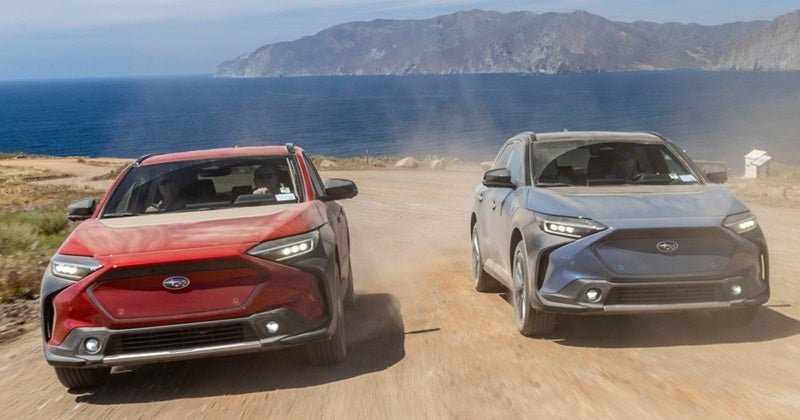
2026 Subaru Solterra vs. Toyota bZ | John Kennedy Subaru

2026 Subaru Solterra vs. Toyota bZ: Are They Really the Same EV? If the Subaru Solterra and Toyota bZ (formerly the bZ4X) look strikingly similar under the skin, that's because they are. These two electric SUVs were co-developed by Subaru and Toyota and share the same platform, the same battery, and even the same top-trim power output. So what actually sets them apart? Here's an honest breakdown from the team at John Kennedy Subaru to help you decide which one belongs in your driveway. Quick Comparison: 2026 Solterra vs. 2026 bZ Starting MSRP Solterra: $38,495 bZ: $34,900 Standard Drivetrain Solterra: Symmetrical All-Wheel Drive, standard on every trim bZ: Front-wheel drive standard; AWD is always an optional upgrade, on every trim Power Solterra Premium/Limited: 233 hp (dual motor, standard AWD) Solterra Limited XT/Touring XT: 338 hp, 0-60 in under 5 seconds bZ: 168 hp (base FWD) up to 338 hp (top AWD trims) — identical peak output to the Solterra XT Battery Solterra: 74.7-kWh lithium-ion — identical to the bZ bZ: 74.7-kWh on most trims (smaller 57.7-kWh pack on base XLE) Range Solterra: up to 288 miles, with standard AWD bZ: up to 314 miles, but only in front-wheel-drive form Ground Clearance Solterra: 8.3 inches bZ: 8.2 inches Charging Solterra: NACS port, 10-80% in about 28 minutes, 150 kW max DC rate bZ: NACS port, similar fast-charge times, 150 kW max DC rate — effectively identical hardware Why These Two EVs Are So Similar The Solterra and bZ came out of the same joint development program between Subaru and Toyota, and it shows. Both ride on the same e-Subaru Global Platform, both use an identical 74.7-kWh battery pack on their higher trims, both offer a top-trim output of 338 horsepower with a sub-5-second 0-60 time, and both charge at the same 150 kW peak rate through a native NACS port. If you're looking for a meaningful hardware difference between these two, the honest answer is that there isn't much of one, at least not under the skin. Where the Solterra Actually Pulls Ahead: Standard AWD This is the real differentiator, and it's consistent with Subaru's entire lineup. Every 2026 Solterra comes with Symmetrical All-Wheel Drive standard, on every single trim, no exceptions. The Toyota bZ takes the opposite approach: front-wheel drive is the default across all three trims, and AWD is always a paid upgrade, even on the range-topping Limited. For Plymouth Meeting and Montgomery County drivers who deal with real winter weather, that means every Solterra on the lot already has the traction you need, while bZ shoppers have to specifically seek out and pay extra for the AWD configuration to get the same capability. Subaru also points to the Solterra's 8.3 inches of ground clearance as class-leading among its EV peers, edging out the bZ's 8.2 inches by a small but real margin. To Be Fair: Where the bZ Holds Its Own The bZ isn't just riding on Toyota's badge. It starts about $3,600 less than the Solterra, and in its front-wheel-drive XLE Plus configuration, it can travel up to 314 miles on a charge, well ahead of the Solterra's 288-mile maximum with standard AWD. That's not really an apples-to-apples comparison, since the bZ has to give up all-wheel drive to hit that range figure, but for buyers who prioritize maximum range above all-weather traction, the bZ's FWD trims deliver genuinely impressive numbers. Toyota also offers a rugged bZ Woodland Edition with roof rails and a more adventure-focused look for buyers who want a different flavor of the same platform. The Verdict Since these two EVs share so much of the same hardware, the real decision comes down to drivetrain philosophy and price. If you want standard all-wheel drive built into every trim without having to seek it out, and a small edge in ground clearance for winter driving, the 2026 Subaru Solterra is the more straightforward choice. If you want the lowest possible starting price or the longest possible range and are comfortable sticking with front-wheel drive to get it, the Toyota bZ is worth a look. Either way, you're getting the same fundamentally solid EV platform underneath. See the 2026 Subaru Solterra for Yourself Visit John Kennedy Subaru to test drive the Solterra and see how it compares to the bZ in person. View Solterra Inventory Schedule a Test Drive Proudly Serving Plymouth Meeting and the Surrounding Communities John Kennedy Subaru is a convenient stop for Solterra shoppers throughout Montgomery County and the greater Philadelphia area. We're proud to serve drivers from: Plymouth Meeting, PA Conshohocken, PA West Conshohocken, PA Norristown, PA East Norriton, PA West Norriton, PA King of Prussia, PA Blue Bell, PA Whitemarsh, PA Ardmore, PA Philadelphia, PA No matter which of these communities you call home, our Plymouth Meeting showroom is just a short drive away. Browse our full new Subaru inventory or visit our homepage to learn more about financing, trade-ins, and current offers. Pricing, specifications, and third-party data referenced above are current as of publication and sourced from Subaru's U.S. Media Center, Toyota.com, Edmunds, Kelley Blue Book, and Consumer Reports. Specs and pricing are subject to change by each manufacturer and may not include destination fees, taxes, title, or dealer charges. See John Kennedy Subaru for current pricing, incentives, and availability.

Subaru-BRZ-Vs-Toyota-GR-86-side-by-side

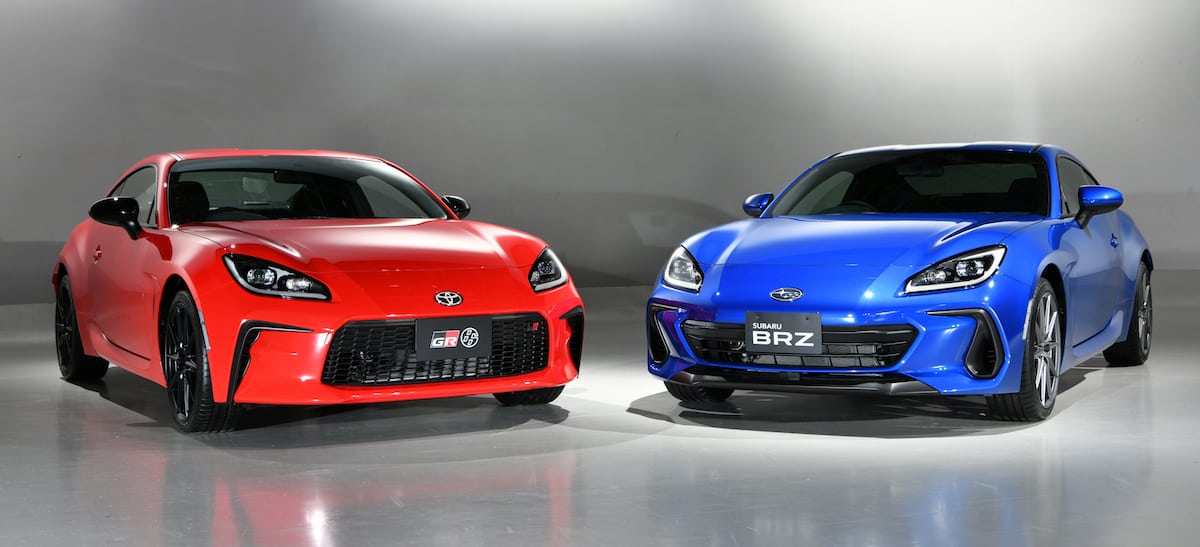
2026 Subaru BRZ vs. Toyota GR86 | John Kennedy Subaru

2026 Subaru BRZ vs. Toyota GR86: Are They Really the Same Car? If you've ever cross-shopped the Subaru BRZ and the Toyota GR86, you've probably noticed something unusual: these two sports cars are almost mechanically identical. They share the same engine, the same chassis, and even the same 0-60 time. So what actually separates them, and which one should you buy? Here's an honest breakdown from the team at John Kennedy Subaru to help you decide. Quick Comparison: 2026 BRZ vs. 2026 GR86 Starting MSRP BRZ: $37,055 GR86: $32,695 Engine BRZ: 2.4L Subaru Boxer H4, 228 hp / 184 lb-ft GR86: 2.4L flat-four (Subaru-built), 228 hp / 184 lb-ft — identical output 0-60 MPH BRZ: 6.1 sec (manual) / 6.6 sec (automatic) GR86: 6.1 sec (manual) / 6.6 sec (automatic) — identical Transmission BRZ: 6-speed manual (standard) or 6-speed automatic GR86: 6-speed manual (standard) or 6-speed automatic (+$1,100) Drivetrain BRZ: RWD with standard rear limited-slip differential GR86: RWD with standard rear limited-slip differential — identical Trim Levels BRZ: Premium, Limited, tS GR86: Base, Premium, Yuzu Edition (limited production) Why These Two Cars Are So Similar The BRZ and GR86 are the result of a joint development partnership between Subaru and Toyota, and the two companies didn't just share an engine platform — they built nearly the entire car together. Both use the same Subaru-designed 2.4L flat-four boxer engine producing 228 horsepower and 184 lb-ft of torque, the same 6-speed manual or optional 6-speed automatic transmission, and the same rear-wheel-drive layout with a standard limited-slip differential. Performance figures are effectively identical: both hit 60 mph in about 6.1 seconds with the manual, and both top out around 140 mph. If you're looking for a meaningful power or performance gap between these two, you won't find one. Where the BRZ Actually Pulls Ahead: The tS Trim This is the real differentiator. The Subaru BRZ tS is a factory-built performance variant that the GR86 simply doesn't have an equivalent for. The tS adds STI-tuned suspension components and Brembo front brakes straight from the factory, sharpening the BRZ's already well-regarded handling into something genuinely track-capable without requiring aftermarket modifications. For enthusiasts who want the most focused version of this platform without a trip to a tuning shop, the BRZ tS is the only way to get there. To Be Fair: Where the GR86 Holds Its Own The most honest advantage the GR86 has is price. According to TrueCar, the GR86 starts at $32,695 compared to the BRZ's $37,055 starting point, a gap of roughly $4,000 that holds up across comparable trim levels. Toyota also offers the limited-production Yuzu Edition for 2026, giving GR86 shoppers a distinct special-edition option with its own unique styling touches. If getting into this platform at the lowest possible price is your top priority, the GR86 is the more accessible choice. The Verdict Since these two cars are mechanically identical, the decision really comes down to price versus factory performance hardware. If you want the lowest cost of entry into this platform, the Toyota GR86 saves you real money without giving up any of the driving experience. But if you want the option to step up to a factory-tuned performance variant with STI suspension and Brembo brakes, the 2026 Subaru BRZ tS offers something the GR86 lineup simply can't match. Either way, you're getting one of the purest, most affordable rear-wheel-drive sports cars still sold new today. See the 2026 Subaru BRZ for Yourself Visit John Kennedy Subaru to test drive the BRZ and see how it compares to the GR86 in person. View BRZ Inventory Schedule a Test Drive Proudly Serving Plymouth Meeting and the Surrounding Communities John Kennedy Subaru is a convenient stop for BRZ shoppers throughout Montgomery County and the greater Philadelphia area. We're proud to serve drivers from: Plymouth Meeting, PA Conshohocken, PA West Conshohocken, PA Norristown, PA East Norriton, PA West Norriton, PA King of Prussia, PA Blue Bell, PA Whitemarsh, PA Ardmore, PA Philadelphia, PA No matter which of these communities you call home, our Plymouth Meeting showroom is just a short drive away. Browse our full new Subaru inventory or visit our homepage to learn more about financing, trade-ins, and current offers. Pricing, specifications, and third-party data referenced above are current as of publication and sourced from Subaru.com, Toyota.com, TrueCar, Edmunds, and Kelley Blue Book. Specs and pricing are subject to change by each manufacturer and may not include destination fees, taxes, title, or dealer charges. See John Kennedy Subaru for current pricing, incentives, and availability.

suby

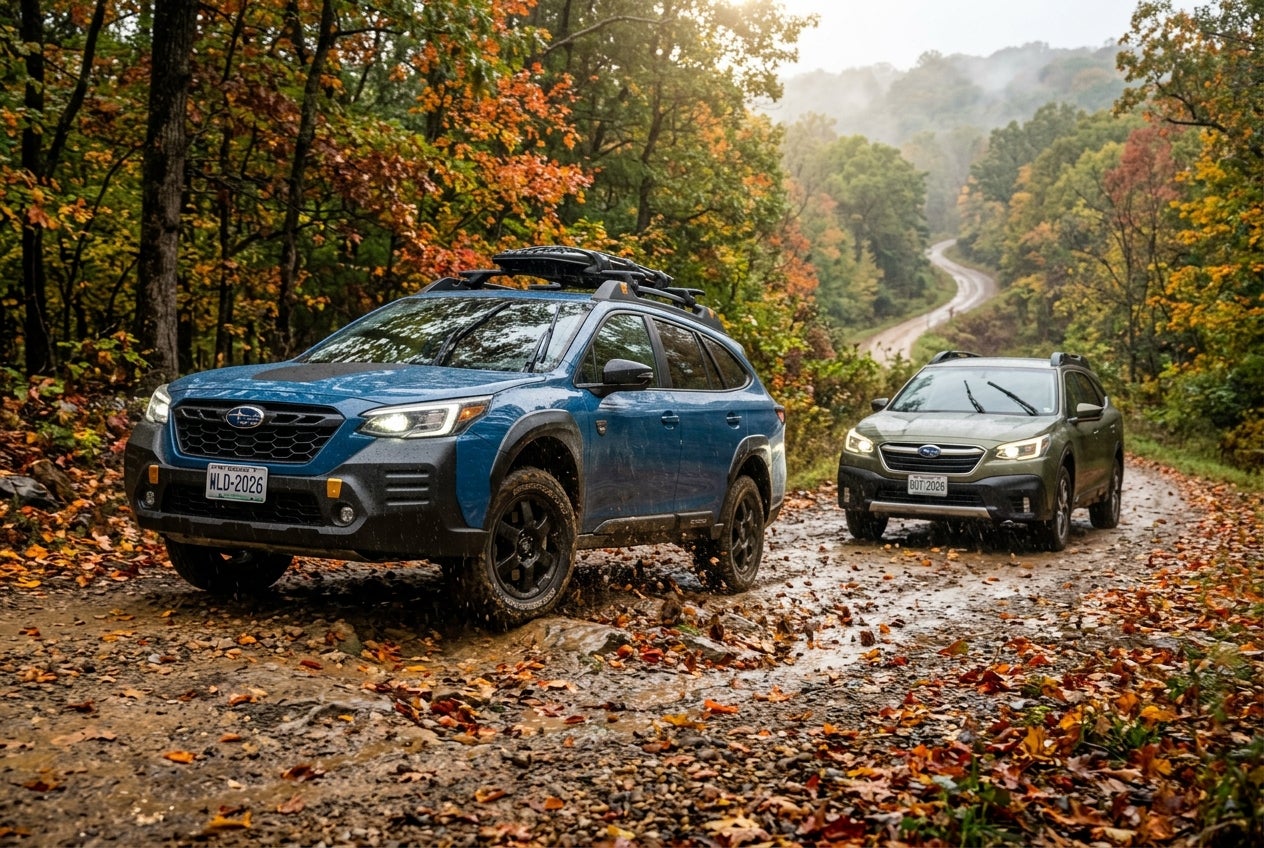
Fall Foliage Drives Near Plymouth Meeting, PA | John Kennedy Subaru

Fall Foliage Drives Near Plymouth Meeting, PA As the days get shorter and the air turns crisp, the parks, trails, and back roads around Plymouth Meeting transform into one of the best fall foliage destinations in the Philadelphia area. Pennsylvania has one of the longest and most varied fall foliage seasons in the country, and you don't have to travel far to see it. Here's a local guide to the best fall foliage drives near Plymouth Meeting, brought to you by John Kennedy Subaru. Wissahickon Valley Park Just a short drive from Plymouth Meeting, Wissahickon Valley Park is consistently ranked among the best places in the region to see fall color. The park spans 1,800 wooded acres across both Philadelphia and Montgomery Counties, with more than 50 miles of trails winding along Wissahickon Creek. The seven-mile Forbidden Drive is the easiest way to take it all in, leading to the Thomas Mill Covered Bridge, the last remaining covered bridge in Philadelphia and one of the park's most photographed fall spots. Peak color typically arrives in the last week of October through the first two weeks of November. Fort Washington State Park Continuing north from the Wissahickon, Fort Washington State Park connects to the same forested corridor via the Wissahickon Trail, also known as the Green Ribbon Trail. It's a great add-on stop for a longer fall drive, with wooded hiking paths and an easy-to-reach overlook that puts a wide sweep of Montgomery County's fall color on display. Valley Forge National Historical Park A quick drive toward King of Prussia, Valley Forge National Historical Park pairs Revolutionary War history with some of the most photogenic fall scenery in the area. Its rolling fields and monuments are just as striking from behind the wheel as they are on foot, making it an easy loop to add to any fall day trip from Plymouth Meeting. Evansburg State Park A bit farther out near Skippack and Collegeville, Evansburg State Park offers a mix of forest trails and open meadows along Skippack Creek. It's a quieter alternative to the more heavily trafficked Wissahickon, with plenty of picnicking spots to enjoy the season at a slower pace. Green Lane Park For a bigger day trip, Green Lane Park is the largest park in Montgomery County at 3,400 acres, with a trail network ranging from easy, flat walks to higher-elevation hikes with sweeping views. It's one of the best spots in the county for both fall color and birdwatching in the same trip. The Cross County Trail For something closer to home, the Cross County Trail runs from Conshohocken directly into Plymouth Meeting as a spur off the Schuylkill River Trail, making it one of the most convenient fall color walks for anyone right in our own backyard. The Best Way to Take In the Season Whether you're winding through the Wissahickon, looping Valley Forge, or heading out to Green Lane Park for the day, a fall foliage drive is a lot more enjoyable in a vehicle built for changing conditions. Every Subaru comes with standard Symmetrical All-Wheel Drive, so wet leaves on a shaded back road or an early frost won't cut your foliage tour short. Get Fall-Ready with a Subaru from John Kennedy Subaru Whatever your route this fall, our team can help you find the right Subaru for the drive. Browse New Subaru Inventory Schedule a Test Drive Proudly Serving Plymouth Meeting and the Surrounding Communities John Kennedy Subaru is a convenient stop for drivers throughout Montgomery County and the greater Philadelphia area heading out to enjoy the season. We're proud to serve drivers from: Plymouth Meeting, PA Conshohocken, PA West Conshohocken, PA Norristown, PA East Norriton, PA West Norriton, PA King of Prussia, PA Blue Bell, PA Whitemarsh, PA Lafayette Hill, PA Ambler, PA Fort Washington, PA Ardmore, PA Philadelphia, PA No matter which of these communities you call home, our Plymouth Meeting showroom is just a short drive away. Visit our homepage to learn more about financing, trade-ins, and current offers before you hit the road this fall. Park hours, trail conditions, and seasonal offerings referenced above are subject to change. Please check with each destination directly for current hours and availability before visiting.

2025_Honda_Pilot_vs._2024_Subaru_Ascent_A_o

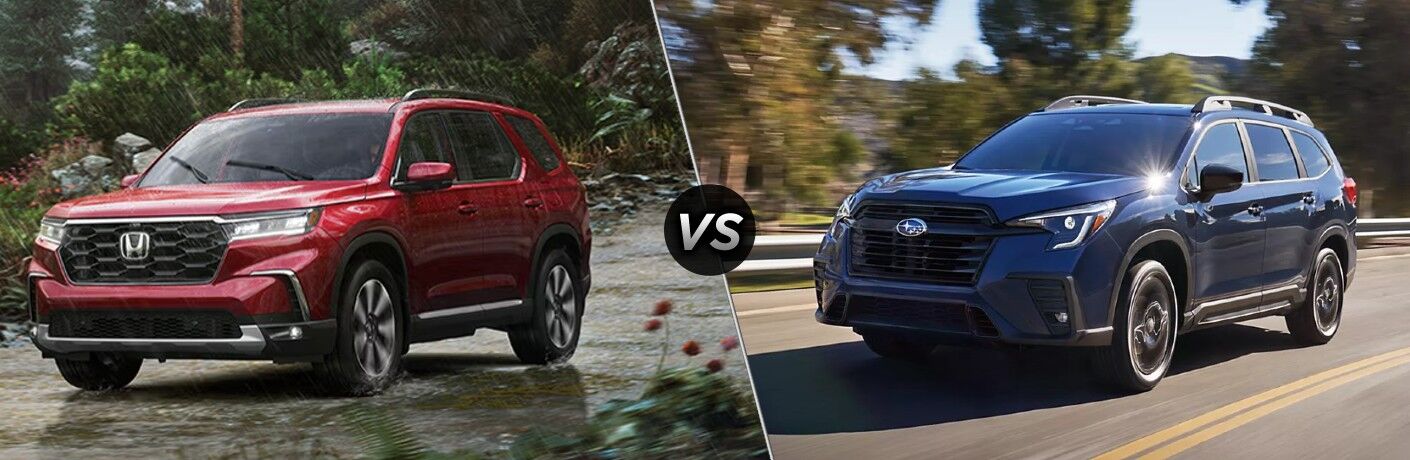
2026 Subaru Ascent vs. Honda Pilot | John Kennedy Subaru

2026 Subaru Ascent vs. Honda Pilot: Which Three-Row SUV Fits Your Family? When it's time to find a three-row SUV for the whole family, the Subaru Ascent and the Honda Pilot are two of the most cross-shopped names in the segment. Both offer seating for up to eight, strong towing capability, and genuinely useful family features. But they take different approaches to all-weather capability, power, and everyday practicality. Here's a full breakdown from the team at John Kennedy Subaru of Plymouth Meeting to help you decide which one truly fits your family. Quick Comparison: 2026 Ascent vs. 2026 Pilot Starting MSRP — Ascent: $40,795 | Pilot: $42,395 Standard Engine — Ascent: 2.4L Turbo Boxer, 260 hp / 277 lb-ft | Pilot: 3.5L V6, 285 hp / 262 lb-ft Drivetrain — Ascent: standard Symmetrical AWD on every single trim | Pilot: front-wheel drive standard, AWD optional on Sport/EX-L, standard only from TrailSport up Max Towing — Ascent: up to 5,000 lbs (every trim) | Pilot: up to 5,000 lbs with AWD, only 3,500 lbs with FWD Ground Clearance — Ascent: 8.7 inches | Pilot: up to 8.3 inches (TrailSport) Seating — Ascent: up to 8 passengers | Pilot: up to 8 passengers Max Cargo (rear seats folded) — Ascent: up to 75.6 cu ft | Pilot: up to 87–112 cu ft Standard Safety Suite — Ascent: EyeSight Driver Assist Technology | Pilot: Honda Sensing All-Wheel Drive: The Ascent's Biggest Advantage This is the single most important difference between these two SUVs. Every 2026 Subaru Ascent comes standard with Symmetrical All-Wheel Drive, no exceptions and no upcharge, across all seven trims. The Honda Pilot, by contrast, starts as a front-wheel-drive SUV on its base Sport and EX-L trims, with AWD offered only as a paid option — and even then, FWD Pilot models are limited to 3,500 lbs of towing versus 5,000 lbs with AWD. For Plymouth Meeting and Montgomery County families who deal with real winter weather, that means every single Ascent on the lot is already built for the conditions, while Pilot shoppers have to make sure they're looking at the right trim and drivetrain combination to get the same capability. The Ascent also holds a ground clearance advantage at 8.7 inches, edging out even the Pilot's off-road-focused TrailSport trim at 8.3 inches. Combined with standard X-MODE and Hill Descent Control, the Ascent is built to handle rougher terrain and worse weather right out of the box, on every trim — not just the priciest one. Power and Towing The Pilot's 3.5L V6 does produce more horsepower on paper (285 hp vs. the Ascent's 260 hp), and its smooth V6 character is a genuine strength. But the Ascent's turbocharged boxer engine actually delivers more torque (277 lb-ft vs. 262 lb-ft), which translates to strong low-end pulling power for merging, passing, and towing. Both SUVs top out at a useful 5,000 lbs of towing capacity — but the Ascent reaches that number as standard equipment on every trim, while the Pilot only hits its full 5,000-lb rating once you've added AWD. Space, Safety, and Family Features Subaru positions the Ascent as offering more overall passenger space than several competitors in this class, and it comes standard with EyeSight Driver Assist Technology, along with available features like DriverFocus distraction mitigation and Cabin Connect, which lets the driver talk to third-row passengers without turning around. The Pilot counters with a genuinely spacious cabin of its own, a new-for-2026 12.3-inch touchscreen, and a larger maximum cargo capacity when both rear rows are folded flat — a real advantage for families who occasionally need to haul more gear than passengers. To Be Fair: Where the Pilot Holds Its Own The Pilot isn't without real strengths. Its 285-hp V6 is smooth and refined, its maximum cargo volume beats the Ascent's by a wide margin, and its new 12.3-inch touchscreen is a meaningful upgrade for 2026. The TrailSport trim also offers genuine off-road-oriented hardware and second-row captain's chairs for families who want a slightly different flavor of capability. If maximum cargo space and horsepower on paper matter most to you, the Pilot is a strong, well-rounded choice. The Verdict Both of these three-row SUVs are excellent choices for growing families. But for buyers who want standard all-wheel drive on every trim without paying extra, a higher ground clearance, and full towing capability regardless of which trim you choose, the 2026 Subaru Ascent comes out ahead. The Pilot remains a strong pick for families who prioritize maximum cargo room and V6 smoothness, but if all-weather confidence and standard capability across the entire lineup matter most, the Ascent is the stronger overall package. See the 2026 Subaru Ascent for Yourself Visit John Kennedy Subaru of Plymouth Meeting to test drive the Ascent and see how it compares to the Pilot in person. View Ascent Inventory Schedule a Test Drive Proudly Serving Plymouth Meeting and the Surrounding Communities John Kennedy Subaru of Plymouth Meeting is a convenient stop for Ascent shoppers throughout Montgomery County and the greater Philadelphia area. We're proud to serve drivers from: Plymouth Meeting, PA Norristown, PA East Norriton, PA West Norriton, PA Conshohocken, PA King of Prussia, PA Valley Forge, PA Blue Bell, PA Whitemarsh, PA Ardmore, PA Philadelphia, PA No matter which of these communities you call home, our Plymouth Meeting showroom is just a short drive away. Browse our full new Subaru inventory or visit our homepage to learn more about financing, trade-ins, and current offers. Pricing, specifications, and third-party data referenced above are current as of publication and sourced from Subaru.com, Honda.com, Edmunds, Kelley Blue Book, TrueCar, and Autoblog. Specs and pricing are subject to change by each manufacturer and may not include destination fees, taxes, title, or dealer charges. See John Kennedy Subaru of Plymouth Meeting for current pricing, incentives, and availability.

IMG_5408

Forester vs. CR-V vs. RAV4 | John Kennedy Subaru

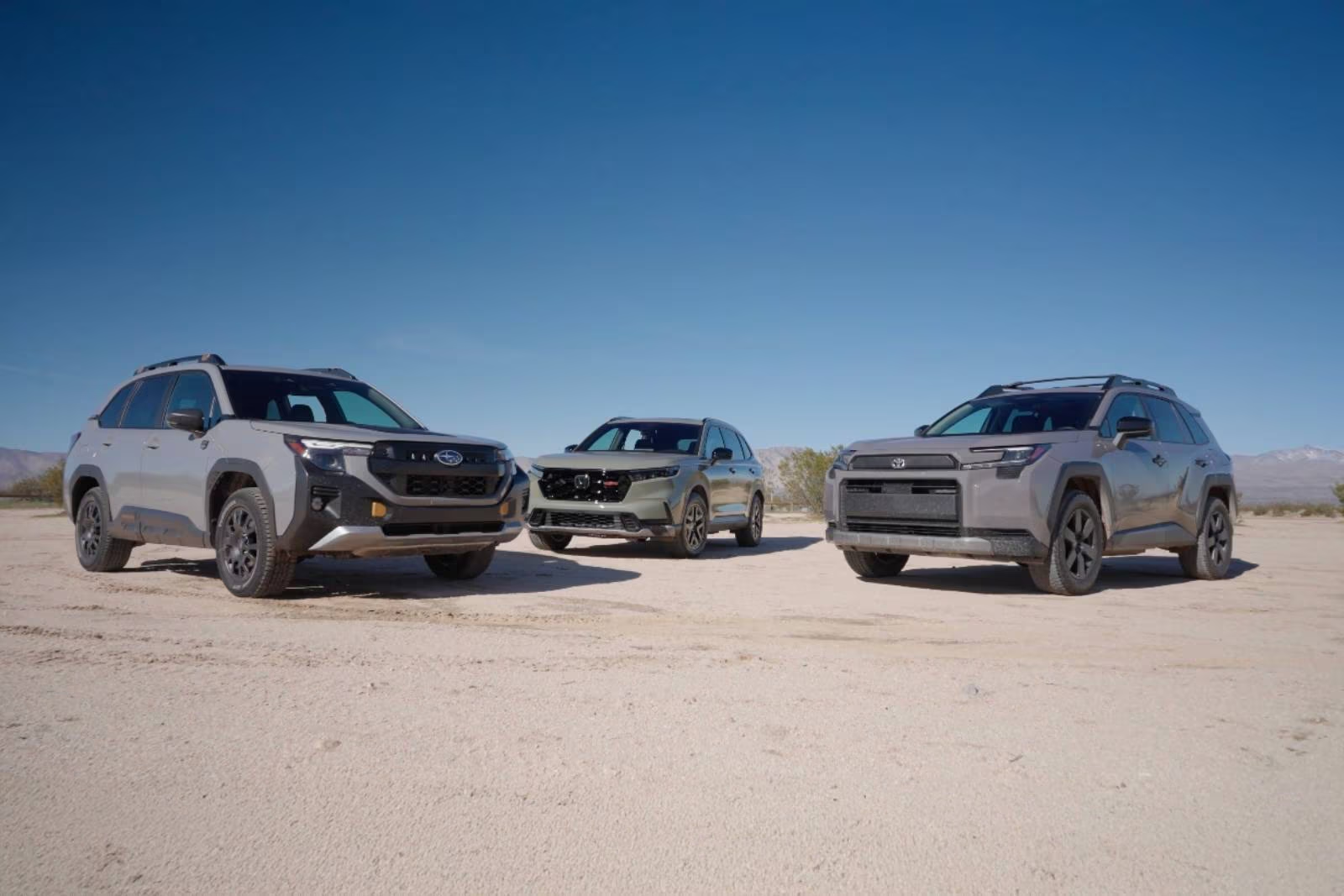
2026 Subaru Forester vs. Honda CR-V vs. Toyota RAV4: Which Compact SUV Wins? The compact SUV segment is the most competitive corner of the car market, and three names come up again and again: the Subaru Forester, the Honda CR-V, and the Toyota RAV4. All three are reliable, practical, and well-reviewed. But they're not identical, and the differences matter depending on how you actually drive. Here's a full breakdown from the team at John Kennedy Subaru of Plymouth Meeting to help you decide. Quick Overview: 2026 Forester vs. CR-V vs. RAV4 Subaru Forester — Starting at $29,995 | 2.5L 4-cyl, 180 hp (194 hp Hybrid) | Standard AWD on every trim Honda CR-V — Starting at $30,920 | 1.5L Turbo, 190 hp (204 hp Hybrid) | AWD optional on most trims Toyota RAV4 — Starting at $31,900 | 2.5L Hybrid, 226–236 hp | AWD optional on most trims Where the Subaru Forester Stands Out The single biggest difference between these three SUVs is all-wheel drive availability. Subaru's Symmetrical All-Wheel Drive is standard on every Forester trim, no exceptions and no upcharge, while both the CR-V and RAV4 treat AWD as an option you have to pay extra for on most trims. For drivers in the Philadelphia area who deal with real winter weather, that's a meaningful difference in year-round confidence. The Forester also holds its value well. According to Subaru's own data citing J.D. Power, the Forester was ranked #1 for projected resale value among compact SUVs. It also offers a dedicated Wilderness trim with 9.3 inches of ground clearance, all-terrain tires, and reinforced roof rails rated for rooftop tents — a level of built-in off-road capability neither competitor matches out of the box. Where the Honda CR-V Stands Out The CR-V's calling card is interior space. Edmunds notes the CR-V offers class-leading cargo capacity, with up to 39.3 cubic feet behind the rear seat and 76.5 cubic feet with the seats folded — more than either the Forester or RAV4. Its hybrid powertrain is also efficient, with an EPA-estimated 40 mpg combined in front-wheel-drive form, and Honda's reputation for long-term reliability remains a strong draw for buyers who plan to keep a vehicle for many years. Where the Toyota RAV4 Stands Out The 2026 RAV4 was fully redesigned and now comes exclusively as a hybrid or plug-in hybrid — Toyota dropped the gas-only engine entirely. That means every RAV4 is quicker than before, with Autoblog reporting up to 236 hp on the standard hybrid and 324 hp on the plug-in hybrid, which also offers roughly 50 miles of electric-only range. For buyers who want the most power and the best fuel economy in this group without stepping up to a larger SUV, the RAV4 makes a strong case. The Verdict All three of these SUVs are excellent choices, and you won't go wrong with any of them. But if standard all-wheel drive, proven resale value, and genuine off-road capability matter to you, the Subaru Forester is difficult to beat — especially since you get AWD on every single trim without paying extra for it. The CR-V is the pick if maximum cargo space is your top priority, and the RAV4 is the pick if you want the most horsepower and the longest hybrid range. Our team can help you compare all three side by side and find the right fit for how you actually drive. See the Subaru Forester for Yourself Visit John Kennedy Subaru of Plymouth Meeting to test drive the Forester and see how it compares to the CR-V and RAV4 in person. Schedule Your Test Drive Proudly Serving Plymouth Meeting and the Surrounding Communities John Kennedy Subaru of Plymouth Meeting is a convenient stop for Forester shoppers throughout Montgomery County and the greater Philadelphia area. We're proud to serve drivers from: Plymouth Meeting, PA Conshohocken, PA West Conshohocken, PA Norristown, PA Blue Bell, PA Whitemarsh, PA Lafayette Hill, PA King of Prussia, PA Ambler, PA Fort Washington, PA Spring House, PA Villanova, PA Bala Cynwyd, PA No matter which of these communities you call home, our Plymouth Meeting showroom is just a short drive away for test drives, trade-in appraisals, and financing help. Pricing, specifications, and third-party data referenced above are current as of publication and sourced from manufacturer sites, Edmunds, Kelley Blue Book, and Autoblog. Specs and pricing are subject to change by each manufacturer. See John Kennedy Subaru of Plymouth Meeting for current pricing, incentives, and availability.

John Kennedy Subaru of Plymouth Meeting Supports Ronald McDonald House Philadelphia Donation Drive

John Kennedy Subaru of Plymouth Meeting Supports Ronald McDonald House Philadelphia for the 4th Year At John Kennedy Subaru of Plymouth Meeting, giving back to our community is at the heart of everything we do. This week, our team proudly continued a meaningful tradition by participating in our 4th annual donation drive benefiting families at the Ronald McDonald House Philadelphia. Making a Difference on Chestnut Street On Monday, our team visited the Ronald McDonald House on Chestnut Street in Philadelphia to personally deliver nine boxes of blankets to families in need. Representing our dealership were: Emily Pattie, Sales Manager Chris Kolody, Service Manager Marcus Gallicio, Sales Representative This annual effort continues to grow, and we are incredibly proud to support an organization that provides comfort and care to families during some of life’s most challenging moments. Partnering with Blood Cancer United We were also honored to meet with Joanna Brinton, Advancement Director at Blood Cancer United, who joined us during the donation. Partnering with organizations that are dedicated to supporting patients and families strengthens our ability to give back across the Greater Philadelphia community. About Ronald McDonald House Philadelphia The Ronald McDonald House Philadelphia plays a vital role in supporting families with seriously ill children receiving treatment at nearby hospitals. Their mission is to provide a “home away from home”, allowing families to stay close to their children while they receive critical medical care. Some of the incredible services they provide include: Comfortable lodging for families traveling far from home Meals and kitchen access to ease financial stress Emotional support and community spaces for connection Transportation assistance to nearby hospitals Family-centered programs and activities that bring comfort and joy As the first Ronald McDonald House established in the world, the Philadelphia location has supported thousands of families, creating a compassionate and supportive environment when it matters most. A Commitment to the Plymouth Meeting & Greater Philadelphia Community At John Kennedy Subaru of Plymouth Meeting, we are proud to serve drivers and families throughout Plymouth Meeting, Conshohocken, Norristown, Blue Bell, King of Prussia, Lansdale, and Philadelphia. Supporting our local community goes beyond automotive sales—it’s about building meaningful connections and making a positive impact. Our continued participation in this donation drive reflects our commitment to giving back to the communities that support us every day. Join Us in Supporting Local Families We encourage our customers and community members to learn more about the incredible work being done by the Ronald McDonald House Philadelphia and consider getting involved. Whether through donations, volunteering, or spreading awareness, every effort helps support families in need. From all of us at John Kennedy Subaru of Plymouth Meeting, thank you for being part of a community that cares. Proudly serving Plymouth Meeting, Conshohocken, Norristown, Blue Bell, King of Prussia, Lansdale, and Philadelphia.

Elderly Man Walking at the Park with Grandchildren

Best Parks Near Plymouth Meeting, PA for Scenic Walks

If you’re lucky enough to live in or around Plymouth Meeting, PA, you already know the area strikes a great balance between suburban convenience and natural beauty. One of the best perks? You’re never far from a scenic park where you can stretch your legs, explore local history, or just unwind for a bit. Whether you’re looking for wooded trails, open fields, or family-friendly spots, there are plenty of parks within a short drive that deliver something unique. Below, we’re highlighting some of the best parks near Plymouth Meeting—all within about 30 minutes—so you can plan your next outdoor escape. more Valley Forge National Historical Park This is easily one of the most iconic outdoor destinations in the region, blending natural beauty with deep historical significance. Valley Forge is where George Washington and the Continental Army camped during the winter of 1777–78, and you can still see reconstructed huts and monuments throughout the park. Beyond history, it’s a fantastic place for walking, biking, and even spotting wildlife along its expansive trails. The paved Joseph Plumb Martin Trail is especially popular for casual strolls or bike rides. Wide open fields and rolling hills make it feel peaceful, even on busier days. If you want a park that combines education with outdoor recreation, this one checks every box. Norristown Farm Park Just minutes from Plymouth Meeting, Norristown Farm Park offers a quieter, more laid-back outdoor experience. It’s unique because it’s still an active working farm, so you’ll often see livestock grazing in the fields. The paved loop trail is perfect for walkers, joggers, and families with strollers. It’s also a great place for birdwatching, especially if you enjoy spotting seasonal species. The open landscape gives it a calm, rural feel that’s a nice escape from nearby suburban areas. With plenty of space to spread out, it’s ideal for a relaxed afternoon outdoors. Evansburg State Park Evansburg State Park is a favorite for those who want a mix of forest trails and open meadows. The park features miles of hiking paths, as well as areas for picnicking and fishing along Skippack Creek. Golfers will also appreciate the on-site course, which adds another layer of recreation. The trails vary in difficulty, making it a good option whether you’re out for a casual walk or a more active hike. In the fall, the foliage here is especially beautiful, drawing visitors from all over Montgomery County. It’s a versatile park that works for just about any outdoor mood. Wissahickon Valley Park Part of the larger Fairmount Park system, Wissahickon Valley Park feels like a hidden wilderness just outside the city. Its rugged trails wind through dense woods, offering a more immersive hiking experience than many suburban parks. Forbidden Drive is a wide, gravel path that’s great for biking and walking, while smaller trails branch off for more adventurous treks. The Wissahickon Creek runs through the park, adding scenic views and calming sounds along the way. Landmarks like the historic Valley Green Inn give it a bit of character and charm. If you’re looking to disconnect and feel surrounded by nature, this is a must-visit. Fort Washington State Park Fort Washington State Park is known for its sweeping open spaces and excellent birdwatching opportunities. During migration seasons, it becomes a hotspot for hawk watchers, drawing enthusiasts from across the region. The park’s mix of wooded trails and grassy areas makes it great for hiking, picnicking, or simply relaxing outdoors. There’s also a popular disc golf course if you’re looking to try something different. Its historical ties to the Revolutionary War add an extra layer of interest. Overall, it’s a well-rounded park that offers both activity and tranquility. Plymouth Township Park For something closer to home, Plymouth Township Park is a convenient and family-friendly option right in the local area. It’s a go-to spot for sports fields, playgrounds, and community events. Walking paths make it easy to get some fresh air without committing to a longer trip. The park is well-maintained and offers plenty of open space for kids to run around. It’s also a popular spot for local gatherings, especially during warmer months. If you’re short on time but still want to enjoy the outdoors, this park is a reliable choice. Green Lane Park If you don’t mind a slightly longer drive (still within about 30 minutes depending on traffic), Green Lane Park offers a more expansive outdoor experience. The park is centered around a large reservoir, making it perfect for kayaking, fishing, and boating. There are also miles of trails for hiking, biking, and horseback riding. The scenery here feels more remote, giving you a true “get away from it all” vibe. It’s especially popular for weekend day trips when you want a full day outdoors. With so many activity options, it’s one of the most versatile parks in the area. Wrap-Up: So Many Parks, So Little Time Living near Plymouth Meeting, PA means you’re surrounded by incredible outdoor spaces just waiting to be explored. From the historical significance of Valley Forge to the peaceful farmland of Norristown Farm Park and the rugged trails of Wissahickon Valley Park, there’s truly something for everyone. Whether you’re planning a family outing, a solo hike, or a relaxing picnic, these parks make it easy to enjoy nature without traveling far. Next time you’re looking for something to do, skip the screen time and head outside—you might be surprised at how much there is to discover right in your own backyard. And if you’re exploring the area for a new ride to get you to all these great destinations, don’t forget to check out John Kennedy Subaru for a vehicle that’s ready for every adventure.

2024-Subaru-CrosstrekWilderness-RainyTrail

Subaru Sport vs. Wilderness: Which Trim Fits Your Drive?

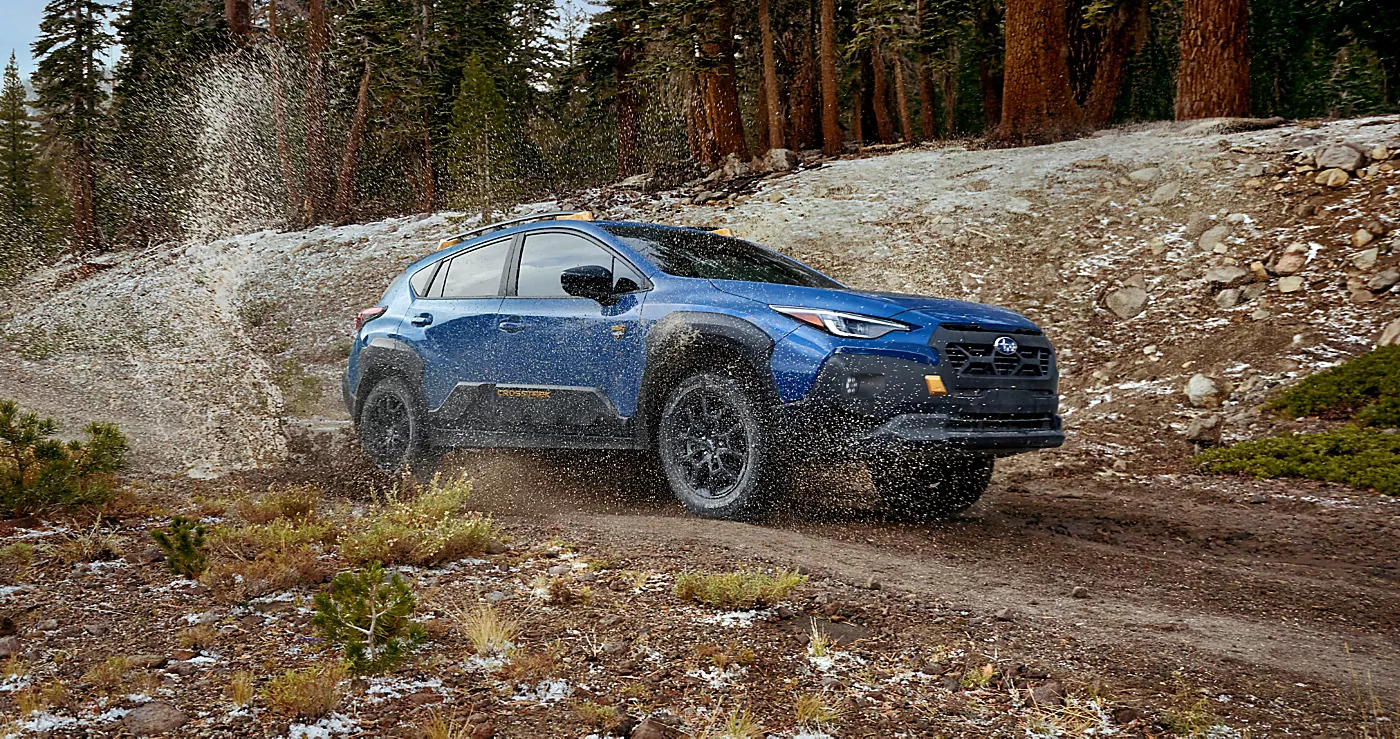
The Subaru Sport vs Wilderness decision really boils down to one question: where do you actually drive? At John Kennedy Subaru, we help Plymouth Meeting buyers navigate this choice every day. Sport gives you aggressive styling and sharper handling, prioritizing pavement performance with occasional off-road capability. Wilderness brings serious trail credentials with increased ground clearance, protective armor, and all-terrain tires for those who consider dirt roads the main attraction. Both share Subaru's Symmetrical All-Wheel Drive and EyeSight safety technology, but they differ dramatically in capability and purpose. Let's dig into what separates these trims and help you figure out which one matches your driving reality. more Wilderness Inventory What Defines the Subaru Sport Trim? Sport answers a pretty straightforward question: why can't your adventure vehicle look aggressive downtown and still handle weekend excursions? These trims inject some real personality into Subaru's practical foundation through visual upgrades and performance tweaks that actually matter. The look starts with gloss black trim replacing chrome, darker wheel finishes, and contrast stitching throughout the cabin. Body-colored mirrors and door handles keep things visually clean. Inside, you get water-repellent seat materials with contrast stitching that combines function with style. Dashboard trim uses textures and finishes that actually distinguish Sport from base models, rather than just slapping on a badge. Performance tweaks back up the looks. Sport-tuned suspension cuts body roll and sharpens pavement handling while maintaining daily comfort. Steering gives you better feedback for precise vehicle placement through tight spots or winding roads. Sport positions itself perfectly for drivers who live primarily on asphalt but refuse to compromise when gravel shows up. What Sets the Wilderness Trim Apart? Wilderness takes the complete opposite approach. These represent Subaru's most capable off-road machines, built specifically for serious trail work. The raised stance hits you immediately, broadcasting capability before you even turn the wheels. Unique bumpers provide extra protection, copper accents create visual consistency across the Wilderness family, and standard roof rails accommodate adventure gear without looking like aftermarket add-ons. Every design element actually serves functional purposes here. Factory-fitted all-terrain tires deliver aggressive tread patterns for loose dirt, mud, and snow. Additional underbody armor protects vital components from rock strikes. Heavy-duty cladding and reinforced mounting points embrace durability throughout the build. Inside, StarTex water-repellent upholstery with copper stitching keeps wet gear and muddy dogs from causing permanent damage. Easy-clean surfaces acknowledge that real adventure gets messy. Rubber floor mats with deep channels trap dirt and water, while cargo liners protect against whatever you're hauling back from the backcountry. Wilderness specifications focus on numbers that actually matter when pavement ends. Ground clearance jumps significantly compared to standard trims, enabling greater obstacle clearance. Better approach and departure angles allow steeper climbs and descents without contacting the bumpers. These measurements translate directly to which trails you can tackle confidently. Performance and Off-Road Capability Compared Engine Power and Drivetrain Differences Both Sport and Wilderness share Subaru's 2.5-liter Boxer engine producing 180 horsepower and 178 lb-ft of torque, paired with a CVT featuring manual mode. Symmetrical All-Wheel Drive comes standard, continuously monitoring for slippage and distributing power where it's needed. Here's where things get interesting, though. Wilderness receives transmission tuning optimized for low-speed precision on challenging terrain, while Sport tuning emphasizes responsive acceleration for street situations. Both include X-MODE Dual Mode System with Hill Descent Control, featuring dedicated settings for snow/dirt and deep snow/mud conditions. This system adjusts throttle response, transmission behavior, and torque distribution to maximize grip in difficult situations. Wilderness receives additional suspension tuning, a shorter final drive ratio, and an upgraded transmission cooler specifically optimized for trail work, giving it a meaningful edge over Sport in the most demanding off-road scenarios. If you're regularly tackling challenging terrain, such as unmaintained forest roads or steep grades with loose rock, Wilderness tuning delivers measurable benefits. For occasional gravel roads and winter weather, Sport capability proves more than sufficient. Ground Clearance, Suspension, and Trail-Ready Features Ground clearance separates weekend warriors from serious trail runners. Here's how Sport and Wilderness stack up across critical off-road specifications: Feature Sport Trim Wilderness Trim Ground Clearance 8.7 inches 9.3 inches Wheels/Tires 19-inch dark metallic alloys 17-inch matte-black with Yokohama Geolandar all-terrain tires Suspension Standard Longer springs/dampers, fully independent Approach Angle 19.0 degrees (Forester Sport) 23.5 degrees (Forester Wilderness) Departure Angle 24.6 degrees (Forester Sport) 25.5 degrees (Forester Wilderness) X-MODE Dual Mode System (Snow/Dirt, Deep Snow/Mud Dual Mode System (Snow/Dirt, Deep Snow/Mud) + faster-engaging center differential lockup That 0.6-inch clearance advantage matters when you're navigating heavily rutted dirt roads or rocky trails. Combined with better approach and departure angles, Wilderness models clear obstacles that would stop Sport trims or risk expensive underbody damage. Suspension philosophy reveals the core differences between these trims. Sport suspensions use stiffer springs and retuned shocks to reduce body roll and sharpen cornering on pavement. Wilderness suspensions prioritize wheel travel and articulation to maintain traction over uneven terrain, with softer springs that absorb impacts without bottoming out. The trade-off shows up in cornering, where Wilderness exhibits more body lean than Sport on smooth roads. Trail equipment further separates these trims. Wilderness models pack aluminum skid plates protecting the engine, transmission, and fuel tank from rock strikes. Sport trims rely on standard protection that's adequate for pavement and maintained gravel but lacks extra armor. Wilderness all-terrain tires grip surfaces where Sport's all-season tires reach their limits, with deeper treads biting into mud, sand, and snow. Interior Design, Comfort, and Technology Cabin Materials and Styling Sport cabins showcase engagement-focused details that actually make a difference. Orange contrast stitching appears on seats, door panels, and the steering wheel. Seat bolsters provide extra support during aggressive driving while maintaining long-distance comfort. Soft surfaces appear where hands and arms naturally contact, with durable materials handling high-wear zones. Wilderness embraces its utilitarian mission through StarTex upholstery that resists water, mud, and the chaos of the outdoors. Copper accent stitching ties back to exterior design elements. Aggressive rubber floor mats effectively trap dirt and moisture. Despite the durability focus, seats remain supportive for long drives with generous padding. Heated front seats come standard, which you'll appreciate during cold Pennsylvania mornings. Both trims prioritize visibility through large glass and thin pillars, reducing blind spots. Infotainment and Driver-Assist Features Both Sport and Wilderness come standard with Subaru's 11.6-inch multimedia touchscreen. Apple CarPlay and Android Auto come standard across the board. Wilderness sometimes includes off-road specific displays showing pitch and roll angles, X-MODE engagement status, and power distribution visualization. EyeSight driver-assist technology comes standard on both, including pre-collision braking, adaptive cruise control, lane departure warning, lane keep assist, and automatic high beams. Wilderness includes standard Reverse Automatic Braking (it's optional on Sport). Remote services through smartphone apps allow engine start, door lock/unlock, and vehicle status checks. Pricing and Overall Value: Sport vs Wilderness Browse our Wilderness inventory at John Kennedy Subaru to see current pricing, but here's what separates these trims financially. The Sport has a higher MSRP than the base trims, while the Wilderness commands an even higher premium. That difference buys you genuine hardware: increased ground clearance, enhanced suspension, protective underbody shields, and all-terrain tires. Sport positions itself as a value play for style-conscious buyers seeking distinctive appearance and improved handling without a substantial premium over base models. Wilderness reflects its position as Subaru's off-road flagship, trading luxury features for capability. The investment makes sense if trails are a major part of your lifestyle. Both hold resale value well thanks to Subaru's reliability reputation. Insurance costs, fuel economy, and maintenance expenses remain similar since both use identical engines and transmissions. Wilderness might see marginally higher insurance premiums due to unique component replacement costs, but differences rarely prove significant. Which Subaru Trim Is Right for Your Plymouth Meeting Lifestyle? Your local context really matters here. Plymouth Meeting offers access to urban amenities and natural spaces, creating competing demands for vehicles. Daily commutes down Ridge Pike don't require serious off-road capability, but weekend trips to Valley Forge National Historical Park or Wissahickon Valley introduce different variables. Sport thrives where pavement dominates, but capability stays essential. Daily drives, shopping runs to King of Prussia, and occasional ventures to less-maintained park access areas suit Sport perfectly. Improved handling enhances highway merging and city navigation without sacrificing all-weather confidence. Wilderness calls to drivers who view Southeastern Pennsylvania as a base camp rather than a destination. If weekends regularly involve hiking on trails throughout Pennsylvania state forests, camping in unmaintained areas, or remote fishing spots, Wilderness capability becomes a practical necessity. The easy-clean surfaces and robust cargo management accommodate muddy gear and outdoor equipment without complaint. Pennsylvania winters deliver snow, ice, and salt; both trims handle them confidently. Wilderness's additional clearance allows it to navigate snow-filled parking lots and unplowed roads more effectively, while aggressive tires bite through slush. Sport remains winter-capable but operates closer to limits in extreme conditions. Test Drive Sport and Wilderness Models at John Kennedy Subaru Reading comparisons help, but nothing replaces actual seat time. At our Plymouth Meeting location, you can experience both trims back-to-back, making the differences tangible. Feel how the Sport handling responds during spirited cornering. Notice Wilderness's commanding view and confident stance. Our dealership has served this community for over 60 years, and we understand local needs (whether you're navigating Philadelphia traffic or exploring the trails of Wharton State Forest). We help match vehicles to lifestyles rather than pushing the highest-margin models. Test both trims in different conditions. Take Sport on twisty roads to assess handling improvements. Find rough but legal paths for Wilderness testing to verify whether the capability justifies the premium. Pay attention to visibility, seating comfort, and control placement during drives lasting more than 20 minutes. Contact our team at 844-709-4104 to schedule test drives. Experiencing Sport and Wilderness firsthand transforms specifications into confident decisions. Whether you choose street-ready Sport or trail-focused Wilderness, you're selecting a Subaru engineered for your specific version of adventure.

Subaru Outback on a snowy trail

What Is the Best Year for a Used Subaru Outback?

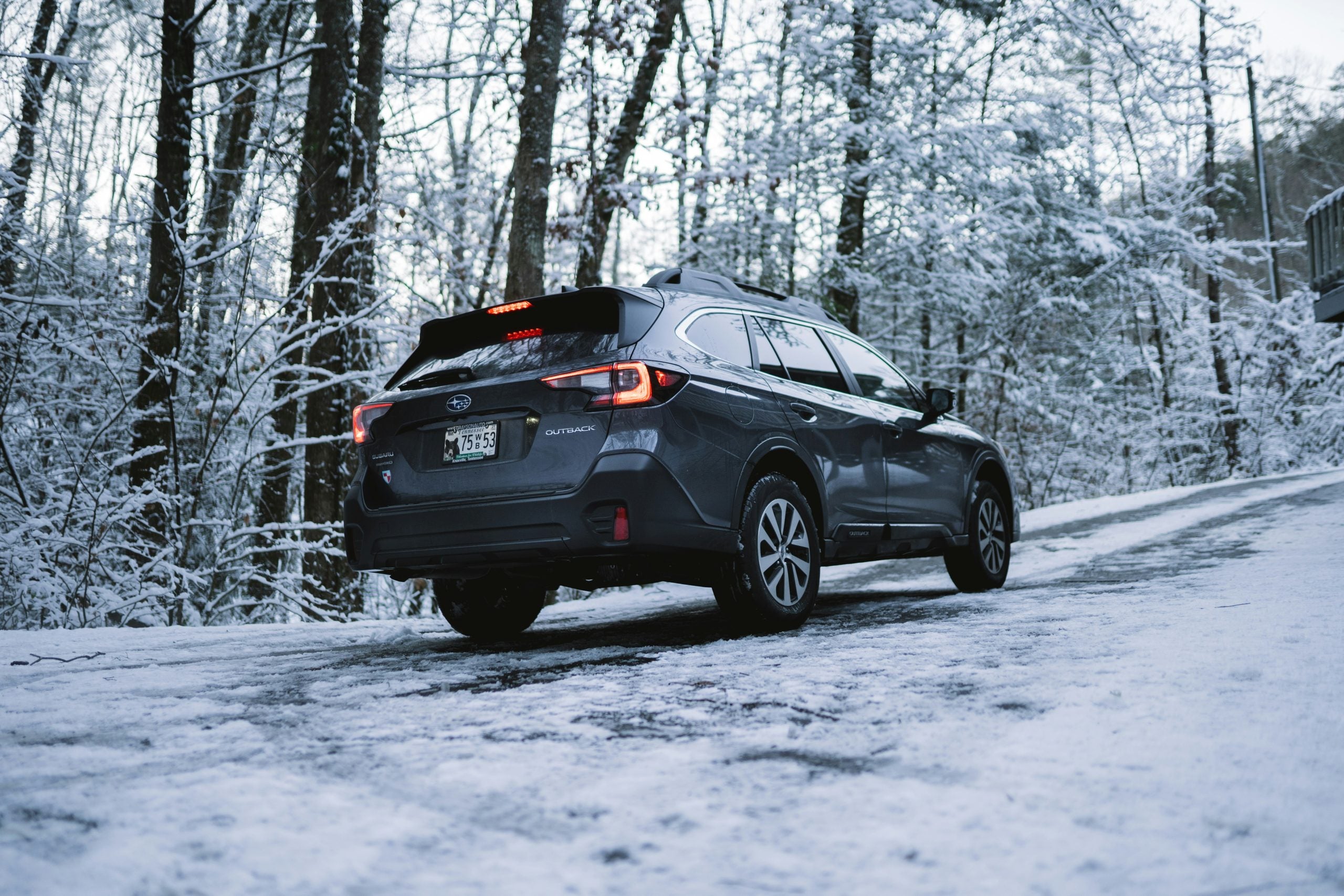
Shopping for a used Subaru Outback means navigating nearly 30 years of model variations, each with unique strengths and quirks. Some years shine for reliability while others pack modern safety tech at competitive prices. Understanding which years deliver the best value helps you avoid costly mistakes and find an Outback that fits your lifestyle perfectly. more Used Outback Inventory Best Years for a Used Subaru Outback: Quick Recommendations Focus your search on 2009, 2010-2012, 2016-2017, and 2021-2022 models. These years consistently earn high marks for dependability and owner satisfaction. The 2009 model stands out as the final third-generation year, with the fewest overall complaints and most design and mechanical issues resolved. You'll find solid reliability in the 2010-2012 range, which features the dependable 3.6L H-6 engine paired with a durable five-speed automatic transmission (preferred over CVT-equipped models). The 2016 and 2017 models hit a sweet spot, delivering EyeSight safety technology, an updated CVT, comfortable long-distance ride quality, and efficient fuel economy. Ready to find your ideal Outback? Browse our used Subaru inventory to see available models matching these recommended years. Understanding Subaru Outback Generations The Subaru Outback has evolved through six distinct generations since 1995. Generation shifts bring new platforms, engines, and safety systems that directly impact your buying decision. Late-generation models usually incorporate refinements that fix early problems, while first-year redesigns might offer lower prices despite potential teething issues. Generation Years Key Developments Fourth 2010-2014 Larger platform, CVT introduction, optional 3.6L H6, improved AWD Fifth 2015-2019 EyeSight integration, refined 2.5L/3.6L engines, better ride quality Sixth 2020-Present Subaru Global Platform (70% torsional rigidity increase), 2.4L turbo replacing 3.6L (247 lb-ft torque from the outgoing 3.6L, surpassed by the new 2.4L turbo's 277 lb-ft) Fourth Generation (2010-2014): The Size Increase Era Subaru significantly enlarged the Outback for 2010, transforming it from a raised wagon into a true crossover alternative. This generation grew by nearly 4 inches, offering substantially more interior space and cargo capacity. The result? It could finally compete with traditional SUVs while maintaining better fuel economy and handling. This generation brought the Lineartronic CVT, which replaced the traditional automatic transmission. The CVT improved fuel efficiency but raised reliability concerns in early models. By 2012, Subaru had addressed most CVT issues, making later fourth-generation models much more dependable. The overall package works well for outdoor enthusiasts and families who need space without the bulk of an SUV. Fifth Generation (2015-2019): Modern Safety and Refinement The fifth generation shifted focus toward safety technology and refined driving dynamics. Subaru's EyeSight suite became standard on most trims, bringing adaptive cruise control, pre-collision braking, and lane-keep assist to mainstream prices. The interior received meaningful upgrades in materials, ergonomics, and infotainment functionality. The 2016 and 2017 models really shine here, incorporating EyeSight refinements while avoiding the issues that plagued the 2015 launch year. Overall reliability improved compared to earlier iterations, especially after the first model year worked out initial bugs. Our certified pre-owned Outbacks often include these popular fifth-generation models with extended warranty coverage. Sixth Generation (2020-Present): Complete Redesign The 2020 redesign brought comprehensive changes built on the Subaru Global Platform, improving rigidity by 70% while enhancing handling and crash protection. The turbocharged 2.4-liter engine joined the lineup, producing significantly more torque than the previous 3.6L's 247 lb-ft while offering better efficiency. Interior quality jumped noticeably with an available 11.6-inch touchscreen and premium materials throughout. The 2022 model added the rugged Wilderness trim with increased ground clearance, all-terrain tires, and distinctive styling for off-road enthusiasts. While early 2020 models experienced infotainment glitches typical of first-year redesigns, the 2021 and 2022 models addressed most issues. Compare these latest advancements with the new Outback models to find the option that best fits your budget. Most Reliable Used Subaru Outback Model Years Reliability data consistently points to 2009, 2010-2012, 2016-2017, and 2021-2022 based on owner reports and repair frequency. The 2009 model benefits from being a late third-generation vehicle with all major issues resolved. It lacks modern features but compensates with proven durability, keeping maintenance costs manageable. The 2010-2012 stretch introduced new technology that's proven dependable after initial CVT concerns were addressed. The 2012 stands out particularly well, combining fourth-generation space with mature technology execution. These models regularly surpass 200,000 miles with proper maintenance (most Subaru Outbacks last 160,000-220,000 miles under proper care). The 2016 and 2017 models incorporate mature versions of EyeSight and other modern systems without excessive complexity. These years show lower repair frequencies compared to the surrounding model years. The most recent 2021 and 2022 models continue this trend, incorporating the latest advancements while maintaining Subaru's reputation for longevity. Year Range Generation Key Strengths Potential Drawbacks 2005-2009 Third Durable, affordable, high-mileage potential Head gasket/oil issues in 2.5L 2010-2012 Fourth Size upgrade, H6 engine reliability Early CVT in some 2.5L 2016-2017 Fifth Safety tech, comfort Minor oil concerns possible 2021-2025 Sixth Top reliability scores, advanced features Higher cost for newer used Subaru Outback Years to Consider Carefully and Why A few model years stand out as higher-risk used purchases. The 2013 model has the most documented reliability concerns, with defective piston rings linked to excessive oil consumption and potential engine damage, as well as early CVT issues. The 2014 model carries forward similar oil consumption and CVT concerns, warranting the same careful consideration. The 2018 model accumulated numerous NHTSA complaints regarding fragile windshields, infotainment failures, and electrical problems. The 2020 model, as the first year of the sixth generation, showed the electrical growing pains common to complete redesigns, including dead batteries, stalling, and miscellaneous electrical issues. Both years are available at attractive prices, but a thorough pre-purchase inspection is especially important to ensure any potential repair costs are factored into the deal. Known Problem Areas by Generation The fourth generation saw early CVT concerns primarily in the 2010 and 2011 models, with some owners reporting shuddering, hesitation, or transmission failure. Subaru extended CVT warranties on some vehicles, though older models may have exhausted that coverage. Some fourth-generation models also experienced head gasket failures, though less frequently than earlier Subaru generations. The fifth generation's main watchpoints center on electrical systems, particularly in the 2015 model, where infotainment freezing, backup camera failures, and sensor malfunctions were reported. The 2018 model saw oil consumption in a subset of 2.5-liter engines, with some owners reporting around a quart every 1,000 to 1,500 miles. Sixth-generation concerns are comparatively minor, largely limited to early software glitches rather than mechanical problems. The 2020 model's infotainment system drew complaints about slow response times, frozen screens, and connectivity issues, most of which Subaru addressed through software updates. Shoppers who want a sixth-generation Outback with these early issues already resolved will find the 2021 and 2022 models to be the more straightforward choice. Matching the Right Outback Year to Your Needs Your ideal Outback year depends on balancing budget constraints with feature priorities. Someone planning 3-4 year ownership might prioritize a lower purchase price, while a 10-year keeper should emphasize reliability records. Mileage matters more than age for many Outbacks (a well-maintained 2014 with 75,000 miles often beats a neglected 2017 with 120,000 miles). Budget-Friendly Options Under $20K Fourth and fifth-generation models from 2010-2019 dominate the under-$20K market. Focus on 2010-2012 or 2016-2017 models for better value. The 2012 models particularly shine, offering refined fourth-generation benefits at depreciated prices. Expect higher mileage in this price segment. Many sub-$20K Outbacks show 80,000-120,000 miles, which is acceptable for well-maintained examples. Subaru's reputation for longevity means these miles shouldn't concern you if maintenance records look solid. Explore our flexible financing options to find payment plans matching your budget. Best Balance of Reliability and Modern Features The 2016 and 2017 models occupy the sweet spot between reliability and contemporary features. These vehicles incorporate EyeSight technology, updated infotainment, and refined powertrains without excessive complexity. The 2017 model particularly stands out, combining fifth-generation maturity with features that remain relevant today. These years offer comfortable rides and safety systems that match or exceed many current models, including blind-spot monitoring, rear cross-traffic alert, and automatic emergency braking, without new-car premiums. Expect to spend $ 18 K –$25K, depending on mileage and trim level. What to Check When Buying a Used Subaru Outback Start every used Outback evaluation with a comprehensive vehicle history report checking for accidents, title issues, and service records. Pay special attention to transmission service history, especially on CVT-equipped models. Regular CVT fluid changes every 30,000-40,000 miles significantly extend transmission life. Schedule a pre-purchase inspection. Our service department can perform thorough evaluations, checking for common issues such as oil consumption, CVT problems, and head gasket leaks, depending on the model year. Test drive the vehicle on highways and rough roads to assess CVT behavior, suspension condition, and overall comfort. The infotainment system should respond quickly, cameras should display clearly, and climate controls should operate smoothly. Check underneath for rust, especially on vehicles exposed to Southeastern PA road salt during the winter months. Inspect the exhaust system, suspension components, and body panels for corrosion. Examine tire wear patterns for even wear, revealing alignment and suspension health. Ask about head gasket replacement on older models, timing belt service if applicable, and whether any recalls remain open. Find Your Perfect Used Outback at John Kennedy Subaru Why Choose Our Dealership Shopping at John Kennedy Subaru offers advantages beyond typical used-car lots. Every pre-owned Outback undergoes thorough inspection and reconditioning by certified technicians who know these vehicles inside and out. With over 60 years of serving Plymouth Meeting, Norristown, and the surrounding Southeastern Pennsylvania, we combine local knowledge with professional service that continues long after your purchase. Our selection spans budget-friendly fourth-generation models through nearly-new sixth-generation Outbacks with full warranty coverage remaining. Whether you need a practical family hauler under $20K or want the latest Wilderness trim for weekend adventures, our inventory offers options for every lifestyle. Take the Next Step This family-owned dealership emphasizes long-term relationships over quick transactions, ensuring you get honest answers about which model year truly fits your needs. Our transparent pricing and customer-focused approach make the buying process straightforward without pushy sales tactics. Visit us at 1201 E Ridge Pike in Plymouth Meeting or call 844-709-4104 to discuss your used Outback search. Sales hours run Monday through Friday, 9 AM to 8 PM, and Saturday, 9 AM to 5 PM. You can also contact our team online to start the conversation about finding your perfect used Subaru Outback today.

Road between trees near modern skyscrapers in town

Summer Activities around Montgomery County, PA

Summer in Montgomery County, PA is something special. When the weather heats up, the area comes alive with outdoor adventures, family-friendly attractions, and scenic spots perfect for soaking up the sunshine. Whether you’re looking to explore nature, cool off on the water, or enjoy a laid-back afternoon with friends, there’s no shortage of things to do just a short drive from home. The best part? You don’t need to travel far to experience it all—some of the region’s most memorable summer activities are right in your backyard. Let’s dive into some of the top spots that make summer in Montco unforgettable. more Explore the Trails at Valley Forge National Historical Park If you’re craving a mix of history and outdoor adventure, Valley Forge is a must-visit. With miles of walking and biking trails, it’s the perfect place to spend a sunny afternoon getting some fresh air. The park’s wide-open fields and shaded paths make it ideal for everything from a casual stroll to a full-on bike ride. Along the way, you’ll find historic landmarks that add an educational twist to your visit. Pack a picnic and enjoy lunch surrounded by scenic views. It’s a great way to combine relaxation with a little bit of exploration. Plus, the park is free and open to the public year-round, making it an easy go-to summer destination. Cool Off at Elmwood Park Zoo Elmwood Park Zoo offers a fun and interactive way to spend a summer day, especially for families. Home to a variety of animals from around the world, the zoo combines education with entertainment. During the warmer months, you can enjoy outdoor exhibits, feeding experiences, and even seasonal events. The zoo’s shaded walkways and splash areas make it easier to stay cool while exploring. It’s also a manageable size, so you can see everything without feeling overwhelmed. Kids love the hands-on opportunities, while adults appreciate the relaxed, community-focused atmosphere. It’s a perfect blend of fun and learning close to home. Paddle and Picnic at Green Lane Park For those who love being on the water, Green Lane Park is a hidden gem. This expansive park features a large reservoir where you can kayak, canoe, or paddleboard. Rentals are available, making it easy for beginners to jump right in. Beyond the water, the park offers miles of trails, fishing spots, and picnic areas. It’s an ideal location for a full-day outing with family or friends. The peaceful surroundings make it easy to unwind and escape the hustle of daily life. Whether you’re paddling across the water or relaxing by the shore, it’s a classic summer experience. Stroll and Shop in Skippack Village If you’re in the mood for something a little more laid-back, Skippack Village delivers charm in spades. This quaint area is filled with locally owned shops, boutiques, and restaurants. During the summer, the village often hosts outdoor events, live music, and seasonal festivals. It’s the perfect place to spend an afternoon browsing unique finds or grabbing a bite to eat. The walkable streets make it easy to explore at your own pace. Whether you’re shopping, dining, or just soaking in the atmosphere, Skippack offers a refreshing change of pace. It’s a great way to support local businesses while enjoying the season. Hit the Trails at Schuylkill River Trail The Schuylkill River Trail is a favorite for locals looking to stay active during the summer months. Stretching for miles, this scenic trail is perfect for biking, running, or even a leisurely walk. The path follows the river, offering beautiful views and plenty of spots to stop and relax. It’s accessible from multiple points throughout Montgomery County, making it easy to fit into your day. Whether you’re going for a quick jog or a longer ride, the trail provides a safe and enjoyable environment. It’s also a great way to connect with nature without leaving the suburbs. Bring a friend or go solo—either way, it’s a rewarding experience. Enjoy Family Fun at Arnold's Family Fun Center When you’re looking for all-in-one entertainment, Arnold’s Family Fun Center is hard to beat. This spot offers everything from go-karts and mini golf to arcade games and laser tag. It’s a great option for families with kids of all ages or even a group outing with friends. During the summer, the outdoor attractions really shine, giving you plenty of ways to enjoy the warm weather. The variety of activities means there’s something for everyone to enjoy. It’s easy to spend hours here without running out of things to do. If you’re looking for high-energy fun, this is the place to be. Relax by the Water at Peace Valley Park Peace Valley Park offers a more tranquil summer escape just a short drive from Montgomery County. Centered around Lake Galena, the park is perfect for kayaking, fishing, or simply enjoying the view. The walking trails around the lake provide a peaceful setting for a morning or evening stroll. It’s also a popular spot for birdwatching and photography. The calm atmosphere makes it ideal for anyone looking to recharge and unwind. Bring a blanket, sit by the water, and take in the scenery. It’s a simple yet refreshing way to spend a summer day. Summer in Montgomery County, PA is packed with opportunities to get outside, explore, and make lasting memories. From scenic parks and trails to lively villages and family-friendly attractions, there’s something for everyone to enjoy within a short drive. Whether you’re planning a weekend adventure or just looking for a quick afternoon escape, these local spots deliver the perfect mix of fun and relaxation. And as you plan your summer outings, having a reliable vehicle makes all the difference—something the team at John Kennedy Subaru knows well. Wherever the season takes you, Montco has everything you need to make the most of it.

A White Subaru WRX STI

Subaru WRX Maintenance Schedule

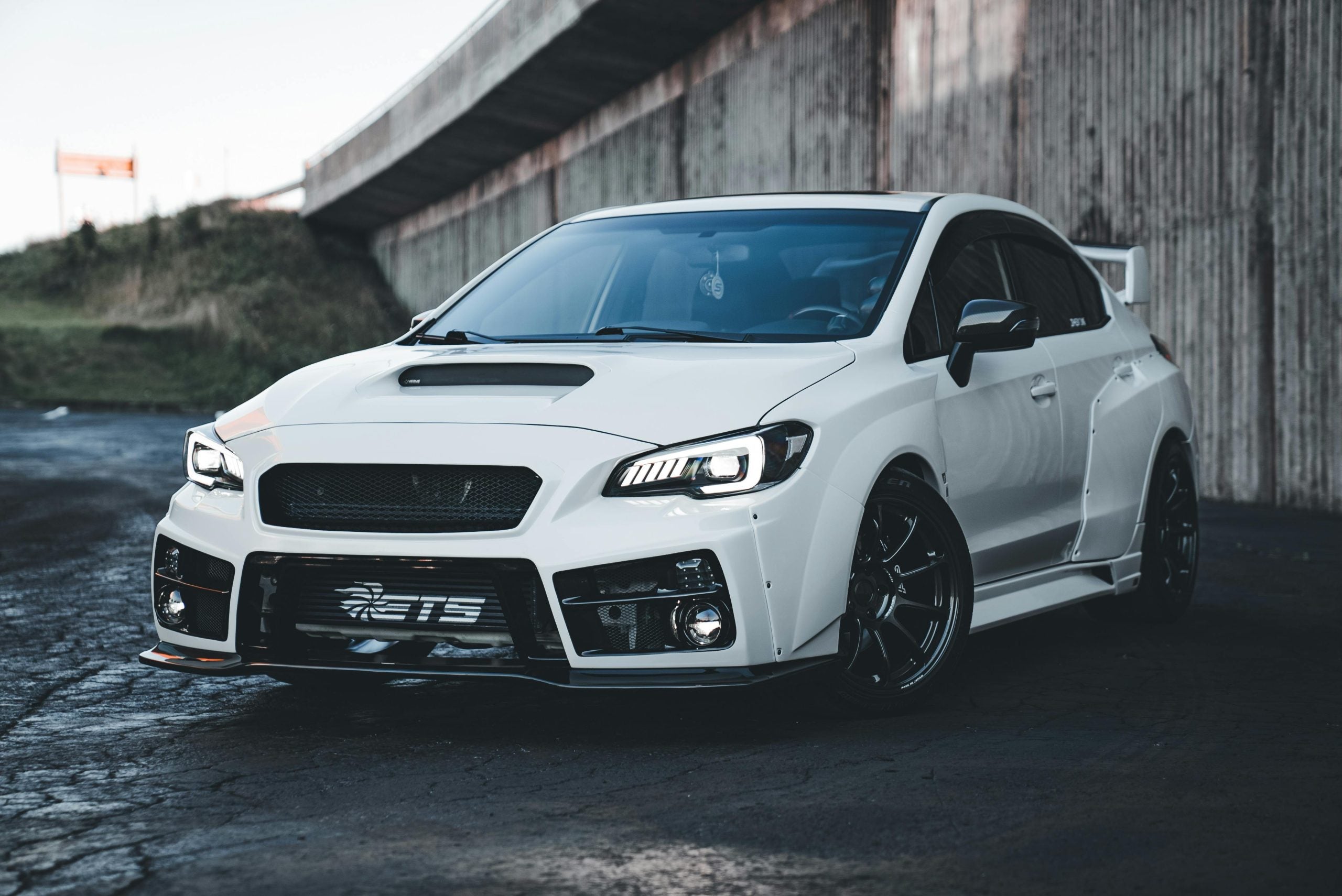
Your Subaru WRX isn't just transportation - it's a finely tuned performance machine that demands proper care. We've worked with countless WRX owners here at John Kennedy Subaru in Plymouth Meeting, and we understand that keeping your turbocharged boxer engine running strong requires following the right maintenance schedule. Whether you're pushing your WRX through spirited weekend drives or navigating Philadelphia traffic during your daily commute, understanding when and how to service your vehicle makes all the difference in preserving performance, protecting your warranty, and maximizing resale value. Many WRX owners aren't sure whether they should follow standard maintenance intervals or more aggressive schedules based on how they drive. This guide helps you understand exactly what your WRX needs and when, so you can make informed decisions about vehicle care and budget accordingly. more Schedule Service Understanding Your Subaru WRX Maintenance Schedule Subaru engineers designed the WRX maintenance schedule around specific mileage intervals and time periods, whichever comes first. This approach recognizes that some vehicles rack up miles quickly while others sit for extended periods. Your first maintenance check happens at 3,000 miles, establishing a baseline for your vehicle's condition. After that initial visit, we follow a standard service pattern. Every 7,500 miles brings routine checks, with more comprehensive inspections and replacements occurring at 15,000, 30,000, and 60,000 miles. The schedule repeats in predictable cycles, which makes it easier to plan and budget. Services performed at 15,000 miles, repeat at 45,000 and 75,000 miles. Meanwhile, 30,000-mile services repeat at 60,000 and 120,000 miles. Understanding this pattern helps you anticipate upcoming maintenance needs rather than being caught off guard by service recommendations. Normal vs. Severe Driving Conditions Here's something that surprises many WRX owners in Southeastern PA: you might be driving under severe conditions even if you think your driving habits are perfectly normal. Subaru defines severe driving conditions as operating on rough, sandy, dusty, or muddy roads; frequent long idling periods; short-distance driving; or heavy metropolitan traffic combined with temperatures of 90°F or higher. Do you commute through Philadelphia traffic? Deal with stop-and-go conditions on Route 76? Navigate winter road salt and summer heat? Make frequent short trips? Your WRX experiences severe operating conditions. Severe conditions accelerate wear on critical components like engine oil, brake pads, air filters, and fluids. Constant heating and cooling cycles stress engine seals. Short trips prevent oil from reaching its optimal operating temperature, which is needed to burn off moisture and contaminants. Most Plymouth Meeting drivers fall somewhere between normal and severe categories. We recommend discussing your specific driving patterns with our service team to establish the right maintenance frequency for your situation. Oil Change Intervals for the Subaru WRX Oil changes form the foundation of WRX maintenance because your turbocharged engine operates under significant stress and high temperatures. We recommend changing your oil and filter every 6,000 to 7,500 miles, or every 6 months, whichever comes first, under normal driving conditions. After your initial 7,500-mile service, subsequent visits typically occur every 7,500 miles or annually. Severe driving conditions warrant more frequent oil changes, sometimes every 3,000 to 4,000 miles. Your WRX's turbocharger relies on clean, high-quality oil for proper lubrication and cooling. Degraded oil loses its protective properties, allowing metal-on-metal contact that damages precision components. We've seen turbos fail prematurely on vehicles that stretched oil change intervals too far or used incorrect oil specifications. Regular oil analysis during changes helps us spot potential issues before they become expensive repairs. Recommended Oil Type and Specifications The Subaru WRX requires 0W-20 full synthetic motor oil, engineered specifically for the demands of turbocharged boxer engines. This viscosity provides optimal flow in cold Pennsylvania winters while maintaining proper protection during hot summer driving and spirited performance sessions. Synthetic oil resists thermal breakdown better than conventional oil. It maintains consistent viscosity across temperature extremes and provides superior protection for precision turbocharger bearings. Using the correct oil specification isn't optional (it's essential for maintaining your warranty coverage and ensuring proper engine protection). We stock genuine Subaru 0W-20 synthetic oil formulated to meet your engine's exact requirements. Between oil changes, check your oil level regularly, especially before long trips or track days. Turbocharged engines can consume some oil under hard driving, and catching a low oil condition early prevents catastrophic damage. Routine Maintenance: 6,000 to 30,000 Miles The first 30,000 miles establish your WRX's service history and set the foundation for long-term reliability. During this break-in period, we monitor how components wear and adjust maintenance recommendations based on your driving style. Regular service visits create documentation that protects your warranty. They also provide verifiable records that boost resale value when you're ready to upgrade. 6,000-Mile and 12,000-Mile Services Your 7,500-mile service includes oil and filter replacement, tire rotation, brake inspection, battery testing, and checks of lights, hoses, and belts. Tire rotation extends tread life and ensures even wear, maximizing traction from your WRX's AWD system. We inspect brake pads and rotors for wear, checking that your high-performance braking system maintains adequate material and proper rotor thickness. Battery testing identifies weak cells before they leave you stranded. This is particularly important as batteries age in extreme Pennsylvania temperatures. These early services give us baseline data on how your specific vehicle is wearing. We document measurements like brake pad thickness and tire tread depth, establishing trends that help predict when components will need replacement. 24,000-Mile and 30,000-Mile Services The 15,000-mile service introduces more comprehensive inspections, including an emissions system tune-up, replacement of the cabin air filter, and intermediate checks of brake lines, discs, pads, clutch operation, axle boots, steering components, and suspension bushings. Your cabin air filter traps pollen, dust, and pollutants. It maintains clean interior air and proper HVAC performance. The 30,000-mile service represents your first major maintenance milestone. It involves replacing the brake fluid, engine air filter, spark plugs, PCV valve, engine coolant, and drive belts. Fresh brake fluid maintains proper pedal feel and prevents moisture contamination, which can lead to corrosion and reduced braking performance. New spark plugs ensure complete combustion. They maintain power output and fuel efficiency while preventing misfires that damage catalytic converters. If you're approaching this important service interval, contact our service team to discuss scheduling and what to expect. Major Maintenance: 30,000 to 60,000 Miles Between 30,000 and 60,000 miles, your WRX transitions from break-in period to established operation. Services during this range focus on replacing wear items before they fail and maintaining systems that protect long-term reliability. The 45,000-mile service repeats the 15,000-mile checklist. The 60,000-mile service repeats and expands upon the comprehensive 30,000-mile work. At 60,000 miles, we replace spark plugs again, change the automatic transmission fluid (if equipped), and inspect the front and rear differential gear oil. Transmission fluid degrades over time, losing its ability to protect gears and clutch packs and to dissipate heat. Fresh fluid maintains smooth shifts and extends transmission life. Differential gear oil protects your AWD system's transfer components, ensuring proper torque distribution to all four wheels under varying traction conditions. This mileage range typically corresponds to three to five years of ownership for average drivers. Components like suspension bushings, brake rotors, and tires may need replacement based on wear patterns and driving conditions. Our factory-trained technicians inspect these items during routine services and advise you when components approach their service limits. High-Mileage Care: 60,000 to 100,000+ Miles With proper maintenance, WRX models routinely exceed 200,000 miles while maintaining strong performance. We service WRXs in our Plymouth Meeting facility that have crossed the 150,000-mile threshold without major mechanical issues. What's the key difference between high-mileage success stories and premature failures? Consistent maintenance and addressing issues promptly when they arise. High-mileage care requires increased attention to fluid condition, seal integrity, and component wear. Engine seals naturally harden with age, potentially allowing minor oil seepage. While small leaks aren't immediately catastrophic, they require monitoring to prevent them from worsening. Coolant hoses become brittle over time, so we inspect them carefully for cracks or soft spots that indicate impending failure. Spark Plugs, Fluids, and Timing Components Spark plugs at high mileage may need to be replaced more frequently than the standard 30,000-mile interval. This is particularly true if you notice misfires, rough idle, or reduced fuel economy. The 75,000-mile service repeats the comprehensive 15,000-mile checklist, while the 90,000-mile service adds another round of major maintenance items. We continue the pattern of oil changes, tire rotations, and inspections every 7,500 miles, maintaining consistency in service documentation. Brake fluid accumulates moisture over time regardless of mileage. It requires replacement every two to three years to prevent internal corrosion. Engine coolant breaks down and loses its ability to prevent corrosion and protect against freezing. This warrants replacement at specified intervals. Transmission and differential fluids in high-mileage vehicles may benefit from more frequent changes than standard recommendations, particularly if you drive aggressively or tow occasionally. When you schedule your service appointment, we evaluate your vehicle's current condition and recommend appropriate service intervals based on our inspection findings. What to Expect for WRX Maintenance Costs Subaru WRX maintenance costs vary depending on service type, parts needed, and whether you're performing routine maintenance or a major service. Basic oil changes and tire rotations represent your most frequent expenses. They occur every 7,500 miles and are relatively affordable, helping prevent more expensive problems. Intermediate services at 15,000-mile intervals include inspections and filter replacements, modestly increasing costs. Major services at 30,000 and 60,000 miles involve multiple fluid replacements and component changes, representing larger investments. However, these comprehensive services protect expensive components like your engine, transmission, and turbocharger from damage caused by degraded fluids or worn parts. We provide transparent estimates before performing work, explaining what each service includes and why it matters for your WRX's longevity. Using genuine Subaru parts and following factory-recommended service intervals protects your warranty coverage. It also maintains proper documentation for resale value. The investment in dealership service pays dividends through reduced comebacks, proper warranty protection, and service records that increase resale value when you're ready for your next Subaru. Schedule Your Subaru WRX Maintenance in Plymouth Meeting We've served WRX owners throughout Southeastern Pennsylvania at John Kennedy Subaru for over 60 years. We combine family-owned values with factory-trained expertise. Our technicians understand the specific demands of turbocharged boxer engines and use specialized diagnostic equipment designed for Subaru vehicles. We maintain comprehensive service records in Subaru's national database, ensuring your maintenance history travels with your vehicle wherever life takes you. Located at 1201 E Ridge Pike in Plymouth Meeting, our service center operates Monday through Friday from 7 AM to 6 PM and Saturdays from 8 AM to 4 PM. Book your service appointment online or call us at 844-709-4104 to discuss your WRX's maintenance needs. Whether you're due for routine oil service or approaching a major maintenance milestone, we're here to keep your WRX running strong for the long haul.

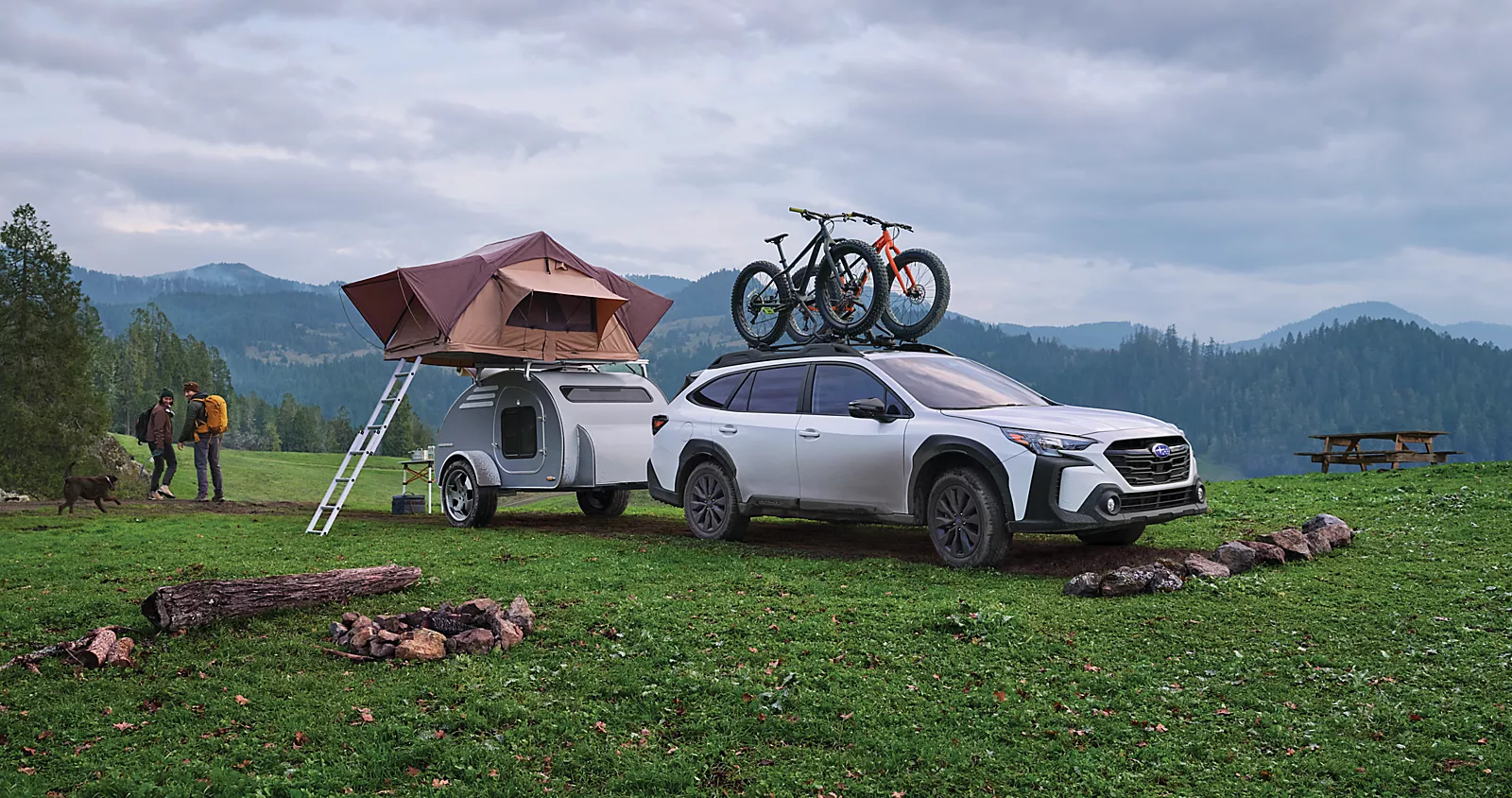
2024-Subaru-Outback-Camping

Difference Between A Premium & Limited Subaru Outback

Choosing the right Subaru Outback trim can feel overwhelming when you're comparing similar-sounding packages. The difference between Premium and Limited Subaru Outback trims often comes down to how you prioritize comfort, technology, and budget. Both options deliver Subaru's legendary all-wheel-drive capability and spacious versatility, but they cater to different lifestyles and preferences. Understanding what separates these two popular trims helps you avoid paying for features you won't use while ensuring you don't miss out on conveniences that matter most during Pennsylvania winters and your daily commute. more Premium Limited Subaru Outback Premium vs Limited: Quick Comparison Overview The Subaru Outback Premium vs Limited debate centers on balancing value against enhanced luxury. Premium trim buyers get a well-equipped crossover with core features that satisfy most drivers. You'll find comfortable synthetic leather seating (Starex), essential safety technology, and a capable infotainment system that handles smartphone integration smoothly. Limited trim elevates the experience with genuine leather upholstery and additional convenience features. This trim targets buyers who spend significant time behind the wheel and want their vehicle to feel more refined. Both trims share identical engine options and drivetrain performance, so acceleration, towing capacity, and fuel efficiency remain consistent. The real distinction shows up in cabin ambiance and tech sophistication. Here's how these trims compare across key categories: Feature Category Premium Limited Wheels 18-inch alloy wheels 18-inch dark-finish alloy wheels Upholstery Synthetic leather (Starex) Leather Front Seats Heated; 10-way power driver's seat with lumbar; 4-way manual passenger seat Heated; 12-way power driver's seat with 2-position memory and power lumbar; 8-way power passenger seat Rear Seats Standard Heated outboard rear seats Steering Wheel Standard Heated Infotainment 11.6-inch touchscreen; wireless Apple CarPlay/Android Auto 11.6-inch touchscreen with navigation; wireless Apple CarPlay/Android Auto Audio Standard audio system 12-speaker Harman Kardon premium audio Convenience Power liftgate; keyless entry with PIN code access; roof rails with crossbars Power tilt/slide moonroof; rain-sensing wipers; wireless charging pad Safety EyeSight Driver Assist (adaptive cruise, lane centering, blind-spot warning, rear cross-traffic alert); LED headlights EyeSight Driver Assist; blind-spot warning; rear cross-traffic alert; reverse automatic braking Ground Clearance 8.7 inches 8.7 inches AWD/Terrain Symmetrical AWD; X-MODE with Hill Descent Control Symmetrical AWD; X-MODE with Hill Descent Control Pricing and Value: What Separates These Trims The pricing gap between these trims reflects the material upgrades, additional technology, and convenience features bundled into Limited. Budget-conscious shoppers appreciate how Premium delivers solid value without sacrificing Subaru's safety reputation or capability. When evaluating costs, consider your priorities beyond the sticker. Limited's enhanced features often improve resale value, as luxury touches appeal to secondary-market buyers. Premium's lower initial cost means smaller monthly payments if you're financing, potentially freeing up budget for other priorities. To explore the current Outback selection and discuss pricing options, visit our Plymouth Meeting showroom. Interior Comfort and Premium Upgrades Stepping inside these packages reveals where your money goes. Limited transforms the cabin into a quieter, more comfortable sanctuary with materials that feel noticeably more upscale. You'll immediately recognize differences in seat texture, trim panel quality, and overall refinement. Premium maintains practical comfort suitable for daily commutes and weekend adventures, though it skips some indulgent touches. Cargo space and passenger room stay identical across trim levels, so both accommodate families and gear equally well. The distinction appears in how the space feels rather than how much you get. Limited's added insulation and premium materials create a cabin that dampens road noise more effectively during long highway stretches. Seating Materials and Adjustability Limited upgrades to leather-trimmed upholstery that resists wear better than Premium's Starex synthetic leather while offering easier cleanup. The genuine leather surfaces feel softer and add visual sophistication. The 12-way power driver's seat with memory functions in Limited lets multiple drivers save their preferred positions, eliminating the need to constantly readjust when you share the vehicle. Limited also includes an 8-way power passenger seat, whereas Premium offers a 4-way manual adjustment. Premium's Starex synthetic leather still provides solid comfort for most situations, particularly for drivers who prioritize durability. The 10-way power adjustment for the driver's seat gives sufficient customization for comfortable positioning during Southeastern PA commutes. Climate Control and Convenience Features Limited includes heated rear outboard seats, extending comfort to back-seat passengers during winter months (a thoughtful touch for families navigating cold Pennsylvania mornings). The heated steering wheel in Limited adds another layer of cold-weather comfort that Premium lacks. Premium comes standard with heated front seats, covering essential comfort needs. Both trims feature Subaru's climate control systems that maintain cabin temperature effectively, though Limited adds rain-sensing wipers that automatically adjust to precipitation intensity. That's particularly useful during unpredictable weather in Southeastern Pennsylvania. Technology, Infotainment, and Connectivity Comparing these trims reveals significant tech differences. Both feature the same 11.6-inch touchscreen, but Limited adds built-in navigation while Premium requires smartphone-based navigation through Apple CarPlay or Android Auto. Both trims include wireless smartphone integration, ensuring your phone connects seamlessly. Limited's power moonroof adds an open-air experience, while the wireless charging pad eliminates cable clutter for compatible devices. Premium includes keyless entry with PIN code access (a practical feature both trims share). Audio and Navigation Systems Limited upgrades to a 12-speaker Harman Kardon premium audio system with strategically positioned speakers throughout the cabin. The enhanced system delivers noticeably clearer highs, deeper bass, and better overall sound staging. Built-in navigation is standard on Limited and offers real-time traffic updates. Premium includes a capable standard audio system that satisfies most listeners. You can access navigation through smartphone integration, which many drivers prefer since phone apps update automatically and feel more familiar. Driver Assistance and Safety Technology Subaru's EyeSight driver assistance system comes standard across both trims, ensuring core safety features appear in both packages. You get adaptive cruise control, pre-collision braking, lane departure warning, and lane-keeping assist regardless of which trim you select. Both trims include Subaru's Symmetrical AWD and X-MODE with Hill Descent Control (essential for confident handling during Pennsylvania winters). Limited adds reverse automatic braking for additional parking lot protection. Both trims feature LED headlights, blind-spot warning, and rear cross-traffic alert as shown in the comparison table above. Exterior Styling and Functional Differences Visual distinctions between Limited and Premium appear subtle but create different impressions. Limited rides on dark-finish 18-inch alloy wheels that add visual sophistication compared to Premium's standard 18-inch alloys. Both trims maintain the same 8.7-inch ground clearance for confident off-road capability. Limited's power moonroof adds exterior visual interest and interior openness. Both trims include roof rails with crossbars (Premium) for mounting cargo boxes or outdoor gear, while both feature power liftgates. Limited's includes additional hands-free operation when you approach with the key fob. Which Subaru Outback Trim Is Right for You? Deciding between these packages requires an honest assessment of your priorities and usage patterns. Neither trim represents a wrong choice since both deliver Subaru's renowned reliability and capability. Your decision should align with how you'll actually use the vehicle. Test-driving both configurations lets you experience differences firsthand. What seems insignificant on paper often feels more meaningful when you're sitting in the driver's seat. Contact our team to arrange comparison drives of both trims. When the Premium Trim Makes Sense Premium works brilliantly for practical buyers who want capability without luxury frills. The Starex synthetic leather upholstery is durable and easy to maintain, while heated front seats provide cold-weather comfort. Drivers who already rely on smartphone navigation won't miss built-in systems, making Premium's tech package adequate. Premium appeals to those planning shorter ownership periods since the lower purchase price means less depreciation exposure. Buyers who prioritize saving money for other financial goals while still getting a safe, reliable vehicle find Premium's value proposition compelling. When the Limited Trim Is Worth the Upgrade Limited justifies its premium for drivers who log serious miles annually. If you regularly take road trips or face long commutes, the enhanced comfort features reduce fatigue noticeably. The Harman Kardon sound system makes those hours more enjoyable, while heated rear seats and a steering wheel provide all-season comfort for everyone aboard. Buyers who plan to keep their Outback long-term often choose Limited since the enhanced features are appreciated throughout ownership. The genuine leather seats age more gracefully than synthetic materials, maintaining their appearance better over the years of use. If you frequently transport clients or want your vehicle to project success, Limited's upscale interior creates a stronger impression. Test Drive Both Trims at John Kennedy Subaru in Plymouth Meeting Reading comparisons only tells part of the story. Sitting behind the wheel, adjusting the seats, testing the audio system, and experiencing the ride quality firsthand provides irreplaceable insight. We maintain an inventory of both Premium and Limited trims, allowing you to directly compare these configurations during the same visit. Our team understands that choosing the right trim requires personalized guidance rather than generic sales pitches. We'll walk you through the feature differences and help you evaluate which trim delivers the best value for your specific priorities. Since 1955, our family-owned dealership has built its reputation on transparent advice that prioritizes long-term customer satisfaction. Located at 1201 E Ridge Pike in Plymouth Meeting, we serve drivers throughout Philadelphia and Southeastern Pennsylvania. Our sales team works Monday through Friday from 9 AM to 8 PM and Saturdays from 9 AM to 5 PM, providing flexible scheduling for busy lifestyles. Call 844-709-4104 to arrange test drives of both trims or browse our Outback inventory online. Experiencing both options in person transforms abstract feature lists into tangible differences you can feel, helping you drive home in the Outback that truly fits your life.

Contact Us

Fill out this form below and we'll contact you shortly
*Required Fields
#SUBARURETAILERPROGRAMWIDGET#
#CONTENT_PRE_END#