Sales: 610-278-5000 Service: 610-278-5000 Parts: 610-239-2945 | |

Blog

All Local Subaru Outback Subaru Crosstrek Subaru Forester 2026 Subaru Ascent Subaru WRX Reliability How-To Towing Brand vs. Brand Maintenance Subaru Impreza Oil Type Subaru Solterra Subaru Wilderness
2024-Subaru-Outback-Camping

Which Subaru Has the Highest Towing Capacity?

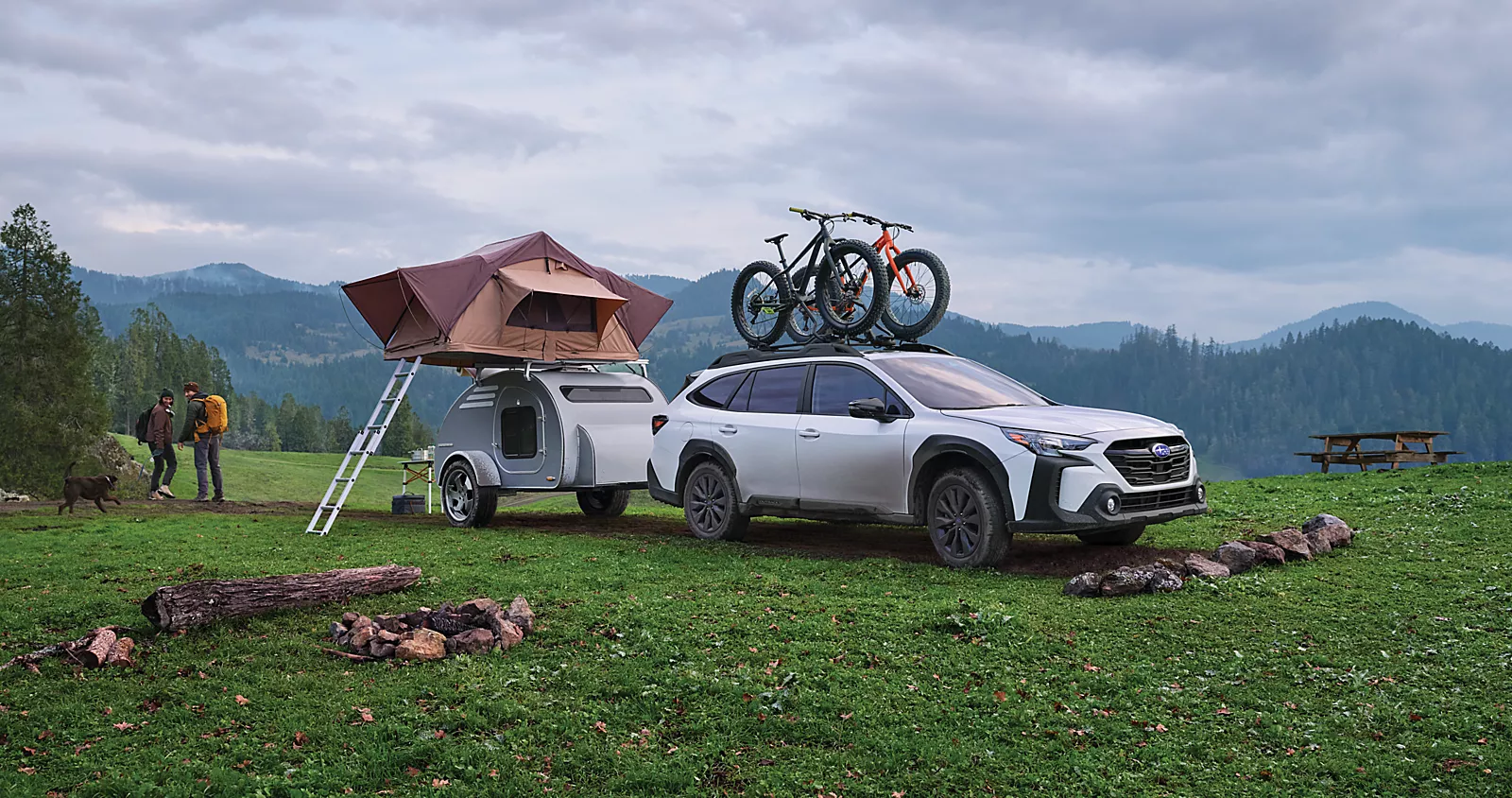
If you're looking to haul your boat to the river or tow a camper to the mountains for the weekend, you'll want a Subaru with enough muscle for the job. From the smaller Crosstrek to the mighty Ascent, each model offers something different. Knowing which Subaru has the highest towing capacity will help you pick the right vehicle for your next adventure. more Understanding Subaru Towing Capacities Towing capacity is the maximum weight your Subaru can safely pull. This works alongside other ratings such as the gross vehicle weight rating (the max loaded weight including passengers and cargo), the gross axle weight rating for the front or rear axles, and the gross trailer weight of your trailer and cargo. Another important factor is the vehicle's age. Some modern SUVs tow less than older models. For example, the 2006 Ford Explorer pulled 7,300 pounds, while the 2016 version dropped to 5,000. Most midsize SUVs can handle between 5,000 and 6,700 pounds. Staying within these limits will protect your brakes, maintain your vehicle's handling, and keep everyone around you safe. Subaru Models With Notable Towing Capacities Whether you need to tow a small trailer or a boat, Subaru's wide range of options has you covered: Ascent: With a 5,000-pound towing capacity, the Ascent has the highest rating of any Subaru. This three-row SUV can handle larger trailers, boats, and camping gear, and its turbocharged BOXER engine delivers 277 lb-ft of torque across six trim levels. Outback: The model has two towing capacities depending on the engine. Base models with 2.5-liter engines can pull 2,700 pounds, while the turbocharged trims can manage 3,500 pounds with 260 horsepower and 277 lb-ft of torque. Forester: The Subaru Forester has a similar capacity to the Outback. The standard versions tow 1,500 pounds, while the Wilderness can pull up to 3,000 pounds. Crosstrek: The standard models can handle 1,500 pounds, but you can get up to 3,500 pounds on the Wilderness trim with the 182-horsepower 2.5-liter BOXER engine. Factors Influencing Your Subaru's Towing Capacity The BOXER engine makes towing with a Subaru possible. Its flat, horizontal design lowers the center of gravity and spreads the weight out evenly, increasing stability when pulling heavy loads. Also, the horizontal pistons cancel out vibrations for a smoother ride. Subaru offers several types of BOXER engines: The standard four-cylinder versions produce either 148 or 170 horsepower for lighter loads. The turbocharged four-cylinder engines deliver 227, 265, or 305 horsepower with an intercooled, high-performance design. The six-cylinder 3.6-liter engine outputs 256 horsepower and 247 lb-ft of torque. Every Subaru includes symmetrical all-wheel drive, distributing power evenly to every wheel. This helps when towing on wet roads or uneven terrain. The Lineartronic continuously variable transmission can handle heavy loads with smooth power delivery, maintaining performance while towing without sacrificing fuel economy. With Subaru's reinforced chassis, EyeSight safety tech, X-Mode system, and hill-descent control, you can tow with confidence. How To Safely Tow With Your Subaru Know your limits. The maximum weight limit includes the trailer and cargo. Exceeding the limit will impact your braking and handling. Most accidents stem from poor visibility, faulty hitches, trailer sway, bad brakes, or inexperienced drivers. Keep the tongue weight at 10%-15% of the total trailer weight to prevent swaying. Practice with your trailer in empty parking lots before hitting busy highways, and don't skip maintenance — change the air filters regularly, the oil every three months or 3,000 miles, and the transmission fluid at least every 30,000 miles. Pennsylvania has specific towing rules. Trailers under 3,000 pounds only need registration, while heavier trailers over 3,000 pounds need titles, yearly inspections, and brakes on all wheels. For size, the maximum dimensions are 40 feet long, 8 feet 6 inches wide, and 13 feet 6 inches tall. If the combined weight tops 26,001 pounds or the trailer exceeds 10,000 pounds, you'll need a commercial driver's license. Making the Right Subaru Choice for Your Towing Needs Picking the best towing Subaru starts by assessing your needs. Determine what you're actually planning to haul. Lower-capacity vehicles such as the Crosstrek work great for light aluminum boats, motorcycle trailers, or small campers, while heavy-duty models such as the Outback and the Forester can pull lightweight boats, utility trailers, compact campers, and even light horse trailers. For serious pulling power, the Ascent can tow a 17-foot camper or a 5 by 8 U-Haul trailer. Money matters too. The 2025 Outback Base starts at $29,995 with the 2.5-liter engine. More towing power often comes with a higher price tag. The Outback's XT models cost $41,710-$44,730 and include 260-horsepower turbo engines. The off-road-ready Wilderness starts at $41,710 and comes with a higher towing capacity. Finally, think about your future needs. If you're planning to buy a bigger boat next year, investing in a higher-capacity model now might save you from having to trade up later. Find Your Perfect Towing Vehicle at John Kennedy Subaru Subaru offers towing options for practically every need. If you're looking for your perfect towing match, stop by John Kennedy Subaru. Our team can walk you through our inventory, arrange test-drives with your own trailer, and negotiate financing that fits your budget. Whether you're hauling a boat to the Delaware River, taking horses to Chester County shows, or planning family camping trips, we'll help you pick the right Subaru for your lifestyle. Give us a call to schedule your visit and see how the right Subaru can transform your towing experience.

Black Subaru Forester

2025 Subaru Outback vs. Forester: Which SUV Is Best for Plymouth Meeting Drivers?

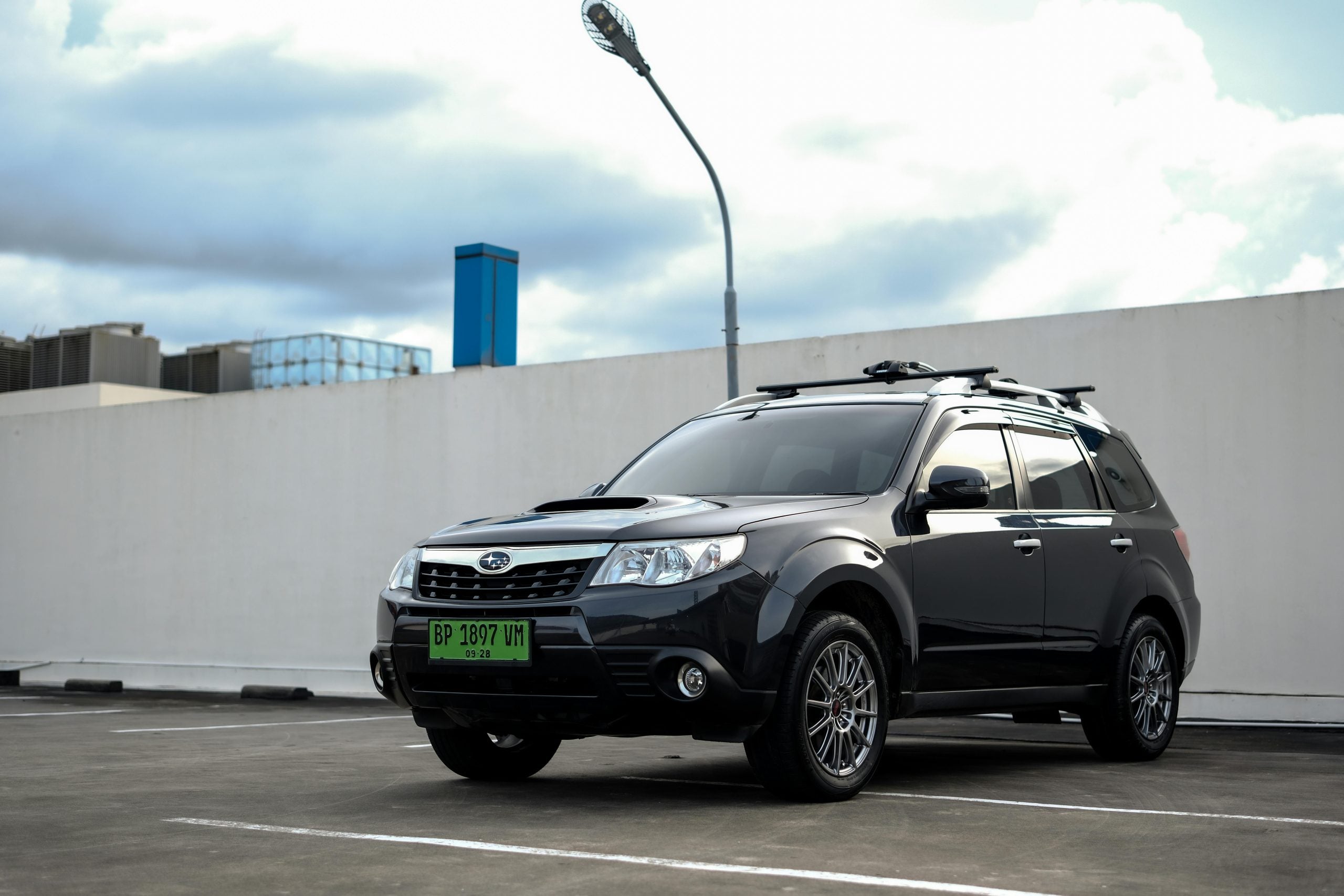
Picking between the Subaru Outback versus the Forester can be a challenge if you're looking for a practical, ready-for-anything, and comfortable daily transport. Both feature Subaru's famous all-wheel-drive (AWD) system and outstanding safety record, but they're built differently despite seeming similar at first glance. Figuring out which one fits your life better matters, and our team at John Kennedy Subaru of Plymouth is here to help you decide. more Outback Inventory Forester Inventory Size and Dimensions Size is the biggest difference between these two Subarus. The 2025 Forester measures 183.3 inches long, 72 inches wide, and 68.1 inches tall, perfect for tight Plymouth Meeting parking spots. The 2025 Outback is 191.9 inches in length (over 9 inches longer than the Forester) and 74.2 inches wide, but it sits lower at 66.1 inches tall. Inside, the Forester's base model gives you up to 110.8 cubic feet of passenger space, while other trims offer 106.6 cubic feet. The Outback splits the difference with 109 cubic feet (107.5 cubic feet if you have a moonroof). If you need space for your gear, the Outback wins with 32.6 cubic feet behind the seats versus the Forester's 27.5-29.6 cubic feet. Fold the seats down and the Outback maxes out at 75.6 cubic feet, while the Forester gives you between 69.1 and 74.4 cubic feet, depending on the trim level. Both SUVs offer 8.7 inches of ground clearance for handling Pennsylvania's rough roads and snowy trails. The extra cargo room in the Outback might be the deciding factor if you haul sports gear regularly or make sizable grocery runs. The Forester counters with a city-friendly footprint that's easier to park and maneuver. Performance and Engine Options Engine choices distinguish these models as well. The Forester offers one option: a 2.5-liter BOXER four-cylinder with 180 hp and 178 lb-ft of torque (the Wilderness trim boasts 182 hp and 176 lb-ft of torque). The Outback offers 182 hp and 176 lb-ft of torque but adds a 2.4-liter turbo option with 260 hp and 277 lb-ft of torque. Towing capacity varies, too. Standard Foresters can haul 1,500 pounds, and the Wilderness trim can pull up to 3,000 pounds. The Outback has a standard towing capacity of 2,700 pounds and 3,500 pounds for the Wilderness and XT versions. This is significant if you're towing Jet Skis to the Jersey Shore or a camper to the Poconos. Acceleration varies by engine. The Forester Wilderness hits 60 mph in 8.1 seconds, while the Outback with the standard engine takes 8.6 seconds. The turbo Outback Wilderness rockets to 60 mph in 6.1 seconds, making highway merges onto Internet 476 effortless. Both use Lineartronic continuously variable transmissions paired with Subaru's symmetrical AWD for excellent grip in any Pennsylvania weather. Fuel Efficiency and Economy Gas mileage is similar for both vehicles. The Forester Base, Premium, and Limited reach 26 mpg in the city and 33 mpg on the highway (29 mpg combined), while the Sport and Touring trims drop to 25 mpg city/32 mpg highway/28 mpg combined. The Outback matches this at 26 mpg in the city and 32 mpg on the highway, though turbo Wilderness and XT models are slightly less efficient at 21-22 mpg on the highway and 26-29 mpg in the city. Features and Trim Levels The 2025 Forester offers several trims for different budgets. The Base trim includes 17-inch alloy wheels, LED headlights, dual 7-inch screens, and the Subaru EyeSight safety suite. The Premium trim adds a panoramic sunroof, heated front seats, an 11.6-inch touch screen, and wireless charging. The Sport trim features 19-inch wheels, paddle shifters, multiple drive modes, and synthetic leather seats, while the Touring trim tops the range. The 2025 Outback offers a similar range of trims and features. Tech setups differ across trim levels. The Forester Base comes with a 7-inch touch screen, but Premium and higher trims offer an 11.6-inch display. The Outback follows this same pattern. Both SUVs include Apple CarPlay and Android Auto as standard. The Wilderness trim turns either model into a more capable off-roader. The Forester Wilderness increases ground clearance to 9.2 inches, adds chunky all-terrain tires, offers skid plates underneath, and uses water-resistant seat materials that can handle muddy hiking clothes or wet dogs. This package makes the Forester tempting if you're an outdoors enthusiast who wants better trail abilities without sacrificing city-friendly size for your daily commute. Safety and Reliability Safety is a strong suit for both models. The 2025 Forester grabbed the Insurance Institute for Highway Safety's Top Safety Pick award for the 18th time since 2007, more than any other small SUV. It scored Good ratings across pedestrian crash prevention and various impact tests. Both the Outback and the Forester hold five-star National Highway Traffic Safety Administration ratings. Standard safety tech includes Subaru's EyeSight system with adaptive cruise control, lane-keeping assist, and automatic emergency braking. Both models also include Symmetrical AWD, Vehicle Dynamics Control, and advanced options such as blind-spot warning, rear cross-traffic alerts, and automatic braking while backing up. Reliability scores show some differences. J.D. Power gave the 2024 Forester an impressive 84/100 for reliability, while the 2024 Outback trails at 80/100. That four-point difference hints that Forester owners face fewer repairs over time. Both SUVs hold their value well thanks to Subaru's tough reputation and solid fan base, keeping demand high for used models. Off-Road Capabilities X-MODE with hill-descent control is available on Premium and higher Forester trims, while the Outback includes this system on all trims to manage grip on steep, slippery surfaces. X-MODE automatically tweaks the throttle, transmission, and brakes to maintain control in tough spots. In off-road use, the Forester's smaller size and better approach angles make tight trails easier, but the extra ground clearance and better towing capacity on the Outback Wilderness work well for hauling gear to remote campsites. Both handle light to medium off-road situations perfectly. Pricing and Value The 2025 Forester starts at $29,995 for the Base trim, with the Premium ($33,385), Sport ($36,105), Limited ($37,695), and Touring ($41,595) offering more features and versatility. The Outback also starts at $29,995. The Forester offers hybrid choices: the Premium Hybrid ($36,595), Sport Hybrid ($39,595), Limited Hybrid ($41,010), and Touring Hybrid ($43,295). Please check with our team for the latest deals and incentives. Find Your Perfect Subaru Match in Plymouth Meeting Nothing beats trying both the Outback and the Forester to feel the real differences. Swing by our dealership in Plymouth Meeting to take a test-drive of the Subaru Forester and Subaru Outback and let our team help you find your perfect match. Reach out to us today to start selecting your ideal Subaru.

Target Shooting Papers On Blocks

The Best Public Shooting Ranges Around Montgomery County, PA

Looking to sharpen your aim or blow off some steam with a bit of target practice? Good news—Montgomery County, PA, and its surrounding areas are home to some fantastic public shooting ranges. Whether you're brand new to firearms or a seasoned marksman, there's a local spot for you to train, learn, and enjoy the sport. Indoor or outdoor, pistol or rifle, laid-back or tactical—whatever your style, you’re bound to find a range that fits. To make your search easier, we’ve rounded up some of the best shooting ranges within a 30-minute drive of Montgomery County. These aren’t private clubs or exclusive memberships—they’re public ranges that welcome locals and visitors alike. So grab your gear, follow the safety rules, and let’s take a tour of some top-notch spots for firearm fun. more 1. Clayton’s Hunting & Indoor Range – Horsham, PA Just off Route 611 in Horsham, Clayton’s offers a full-service indoor range that’s perfect for year-round shooting. Their 10-lane, 25-yard range is climate-controlled and supports pistols and rifles up to .308 caliber. Safety is a big focus here, with friendly range officers and clear rules for new and experienced shooters alike. Plus, they offer handgun and firearm safety classes if you’re just getting started or want a refresher. Bonus: Their gun shop has one of the biggest selections in the area. 2. Target World – Chalfont, PA If you want variety, Target World delivers. Located in Chalfont, this indoor range features 25-yard shooting lanes and accommodates pistols, shotguns, and rifles under .308 caliber. Their knowledgeable staff is helpful whether you're a first-timer or a frequent shooter. What sets them apart is their rental selection—you can try everything from handguns to exotic firearms. Target World also offers memberships, training classes, and a well-stocked retail store. 3. Lower Providence Rod & Gun Club – Audubon, PA This hidden gem in Audubon is tucked right into the heart of Montgomery County. Lower Providence Rod & Gun Club has an outdoor shooting range that’s open to the public on select days, offering a quiet and scenic place to practice. It’s a community-centered facility, so expect a friendly vibe and a focus on safety. Whether you’re shooting pistols, rifles, or shotguns, the range has options for every skill level. It's also a great place to connect with fellow enthusiasts. 4. Double Tap Shooting Range & Gun Store – Altoona, PA Located in Altoona, PA, Double Tap Indoor Gun Range is a modern, beginner-friendly facility perfect for anyone looking to sharpen their skills or try shooting for the first time. The range features: A 25-yard live-fire gun range capable of handling calibers up to 5.56/7.62. 12 indoor lanes (as noted earlier) and expert supervision. Rentals available for both pistols and rifles. Safety protocols in place: eye and ear protection are required at all times. Their second floor is dedicated to training classes, led by certified instructors offering courses for all skill levels — from introductory to advanced shooting, self-defense and home-defense, to concealed carry training. Private lessons are also available by emailing customerservice.doubletap@gmail.com or by visiting the store in person. You’ll also find an extensive retail shop stocked with firearms, accessories, training gear — everything you need for your next visit. 5. The Heritage Guild – Easton, PA If you’re up for a scenic drive just outside the county lines, The Heritage Guild in Easton is worth the trip. This large indoor range features 14 pistol lanes and 5 rifle lanes—ideal for both casual plinking and serious training. In addition to public range access, The Heritage Guild runs regular classes, events, and competitions. Their facility is clean and professional, with a retail area and gunsmithing services onsite. They’re also a certified NFA dealer, if you're into Class III weapons. 6. Oaks Shooting Range at Targetmaster – Chadds Ford, PA While Targetmaster is just a smidge outside the typical 30-minute radius, we’d be remiss not to include it for its stellar reputation. It boasts a 15-lane indoor shooting range and accepts handguns and rifles under .30 caliber. They have one of the largest gun rental inventories in the state—including automatic weapons—and offer a ton of firearm training programs. If you're planning a weekend shoot, make sure to call ahead—they're popular for a reason. 7. French Creek State Park Public Shooting Range – Elverson, PA https://www.pa.gov/agencies/pgc/huntingandtrapping/where-to-hunt/shooting-ranges Outdoor enthusiasts will love the rustic vibe of French Creek’s public shooting range. Managed by the PA Game Commission, it’s located just west of Montgomery County and offers shooting benches and backstops for rifle and handgun practice. You’ll need a valid hunting license or range use permit to shoot here, but the peaceful forested setting makes it well worth the effort. Bring your own targets, and don’t forget your ear protection! 8. Ready Aim Fire – Bristol, PA Located in Bristol and just around 30 minutes from the edge of Montgomery County, Ready Aim Fire is a clean, modern facility with both pistol and rifle lanes. They offer hourly rentals and memberships, and their staff is always eager to help new shooters get comfortable. You'll also find frequent training sessions and a wide selection of rental firearms, making it an excellent choice for beginners or anyone who wants to try something new. 9. King Shooters Supply – King of Prussia, PA Right in Montgomery County, King Shooters Supply is a smaller, friendly indoor range known for excellent customer service. They have six 25-yard lanes suitable for handguns and .22 caliber rifles. While the space is cozy, the staff’s dedication to safety and helping shooters improve makes this a community favorite. It's a great option for locals who want to stay close to home. 10. Philadelphia Training Academy – Philadelphia, PA Located in the heart of Philadelphia, the Philadelphia Training Academy is more than just a range—it’s your full firearm-education hub. They offer an indoor shooting range, access to rentals if you don’t have your own firearm, and a pro-shop with over 500 firearms plus ammunition. The staff are seasoned instructors who emphasise safe handling, marksmanship and practical training. Whether you’re a beginner ready to learn the basics or someone getting certified for concealed carry or advanced skills, this is a top destination in the region. They proudly serve Philadelphia and surrounding communities like Bala Cynwyd, Darby and Ardmore. Ready, Aim, Explore! Whether you're looking for a place to practice for hunting season, improve your skills, or just enjoy a new hobby, Montgomery County, PA is surrounded by excellent public shooting ranges. From indoor lanes in Horsham and Chalfont to scenic outdoor spaces like French Creek, there's a spot for everyone—whether you're a first-time shooter or a long-time enthusiast. And when you're ready to explore these ranges in comfort, don’t forget that John Kennedy Subaru in Plymouth Meeting has the perfect ride to get you there. Whether you’re packing up for a day at the range or heading into the woods, a reliable Subaru with all-wheel drive can handle the trip with ease. Visit us anytime to check out our new and used inventory—adventure (and target practice) awaits!

Close up of Subaru Emblem on Livery

What Is Subaru X-MODE and How Does It Enhance Your Driving Confidence?

Subaru X-MODE technology is perfect for when you refuse to let tough conditions limit your adventures. This advanced system, in concert with Subaru's Symmetrical All-Wheel Drive (AWD), combines smart engineering with easy operation to deliver confidence-inspiring performance when you need it most. Whether you're navigating winter storms in the Poconos or just exploring back-country trails, X-MODE delivers the capability you need. Our team at John Kennedy Subaru Plymouth has put together this guide to tell you all there is to know about Subaru X-MODE. more What Is X-MODE in a Subaru? You can think of Subaru X-MODE as your vehicle's off-road coach. It's a driver-activated system that gives you better control on slippery surfaces such as mud, snow, and gravel, making it perfect for Pennsylvania's varied landscape, working with Subaru's AWD to boost performance when conditions get tricky. What makes it special is its ability to deliver power gradually to stop wheel spin, keep you in lower gears on steep climbs, and spread power more evenly between the front and rear wheels. X-MODE amps up the electronically-controlled limited-slip differential and uses Subaru Intelligent Drive technology across your engine, transmission, and other components. You'll find standard X-MODE on the base Ascent, Crosstrek, Outback, and Premium Forester models, while the dual-mode system comes optional on select trims and standard on all Solterra models. The dual-mode system gives you preset modes for snow/dirt and deep snow/mud conditions, which can be pretty handy when you're picking the right setting for different terrain. Ground clearance varies across Subaru's lineup to maximize off-road ability. The 2025 Crosstrek with X-MODE gets up to 9.3 inches of clearance on the Wilderness trim and 8.7 inches on other trims. Dual-function X-MODE with 8.7 inches of ground clearance is available on the Sport, Limited, and Touring trims of the Forester. The 2025 Outback comes with X-MODE and 9.5 inches of clearance on the Wilderness trim (8.7 inches on other trims), while the 2025 Solterra electric SUV features X-MODE with 8.3 inches of ground clearance. How To Use X-MODE Effectively Getting X-MODE going is as simple as pushing a button that controls five vehicle systems at once: engine management, transmission control, AWD coupling logic, brake integration, and hill-descent control. You can activate it below 25 mph, and it'll work up to 18 mph max. If you go faster than that, it shuts off automatically for safety. Hill-descent control kicks in below 12 mph and handles your throttle and brakes on steep downhills, so you can focus on steering while it controls your speed. The dual-function modes include Snow/Dirt for moderate conditions and Deep Snow/Mud for tougher situations. Use Snow/Dirt when you're dealing with light snow, gravel roads, or dirt trails with decent traction. Pick Deep Snow/Mud when you're facing deeper snow, thick mud, or super slippery conditions that need maximum help. There are speed limits and specific scenarios where each mode works best. X-MODE uses more fuel when it's on, so only turn it on for tough driving, not highway cruising. If you want to be really smart, activate it before you hit difficult terrain, not after you're already stuck. Just don't forget to turn it off when you return to normal driving — your wallet will thank you. Real-World Applications of X-MODE Pennsylvania winters create perfect X-MODE scenarios. The state spends about $171 million yearly on winter road prep, using 2,238 plow trucks and 396 rental trucks to clear 95,000 total snow lane miles. Even with all that preparation, Pennsylvania still sees too many fatalities on snowy and icy roads due to aggressive driving, speeding, and careless lane changes. Winter temps range from 19°F to 33°F with roughly 38 inches of annual snowfall, creating conditions for rain, sleet, snow, and hail. X-MODE gives you the confidence to drive and survive in any weather. X-MODE spreads torque across all four wheels, mimicking a locked differential effect, which makes it perfect for deep ruts, steep climbs, and slippery mud. A pro tip from users: disable vehicle stability control in low-traction spots since it can cut power during wheel slip. The Advantages of X-MODE in Modern Driving X-MODE transforms Subaru vehicles into capable adventure machines, and their safety credentials are impressive. For example, the Subaru Outback earned a five-star overall safety rating from the National Highway Traffic Administration and a Top Safety Pick from the Insurance Institute of Highway Safety, with standard EyeSight driver-assist technology working alongside X-MODE capabilities. Standard Symmetrical AWD provides traction in all weather and trail conditions, while standard front skid plates give extra protection against obstacles. According to Consumer Reports, Subaru ranks number one in dependability, which says something about their commitment to long-term reliability. About 97% of Outback vehicles from the last 10 years are still on the road, with the Subaru Crosstrek ranking first out of 26 compact SUVs with a reliability rating of 4.5/5 and an average annual repair cost of $492, according to RepairPal. J.D. Power reliability scores show consistent improvement, with the 2024 Crosstrek hitting 85/100. To learn more about X-MODE tech or Subaru's safety features, contact us for expert guidance. Experience X-MODE Technology at John Kennedy Subaru Plymouth If you're ready to experience the confidence that comes with X-MODE, visit us at John Kennedy Subaru Plymouth and test-drive any X-MODE-equipped vehicle. Our knowledgeable team will show you how this innovative technology can transform your driving experience, whether you're commuting through winter weather or exploring Pennsylvania's most demanding terrain. Once you own a Subaru with X-MODE technology, our expert service team can help you maintain optimal performance for years of dependable operation.

Car Key Laying Inside the Car

How to Program Your Subaru’s Homelink System

Your Subaru's HomeLink system makes it easy to open and close your garage or gate without an additional remote control. In this guide, we'll tell you the step-by-step process of programming your HomeLink system. If you have any trouble, our team at John Kennedy Subaru in Plymouth Meeting, Pennsylvania, is ready to help. more Understanding Subaru's HomeLink System If your Subaru has an auto-dimming rearview mirror, then it has a built-in HomeLink universal transceiver. The HomeLink system connects up to three of your garage doors, gates, or other smart home gadgets that use radio signals. The system also runs using your car's electrical system, so you don't need any batteries. Some HomeLink systems are two-way capable, which means that the system can tell you if you left the garage open or closed. By connecting to compatible smart devices, you can also flip on your porch lights before arriving home with the press of a button. Plus, you won't have to worry about lost or stolen garage remotes anymore. Subaru HomeLink Setup: Step-By-Step Instructions Before starting, double-check that your Subaru has HomeLink buttons. If you don't see them, your car might not have this feature. Otherwise, you're ready to follow the steps below. If you'd like to see the process in action, check out Subaru's step-by-step video instructions. Everything should take about five to 10 minutes. Preparation Before Programming Park your car where you'd normally use your garage door remote. Make sure that your garage door is clear of any objects and that other people and your pets are away from the door since it will move during setup. Turn on your Subaru's ignition to power up HomeLink, and you're ready to program the system. Detailed Programming Instructions Press and release the HomeLink button you want to program, and the HomeLink indicator light should flash orange. While the orange light is flashing, hold your handheld remote 1 to 3 inches from the HomeLink button you're programming, and press and hold the button on your remote until the indicator light turns green. To check if you're properly connected, press and release the HomeLink button you programmed and watch the indicator light. If the light is solid green, then you're all set. However, if the light rapidly flashes green, you'll have to take some additional steps. First, try pressing and holding the HomeLink button for two seconds, then releasing, and repeat this process three times. You should be able to open your garage door after the final press and release. If this doesn't work, your garage door opener unit likely uses rolling code protection, and there's one more step to try. To connect to a garage door opener unit with rolling code protection, you'll need a ladder to reach the back of the unit. On the back, find and press the learn button. Within 30 seconds of pressing the learn button, press, hold for 2 seconds, and release the HomeLink button three times. If pairing is successful, your garage door should close after the third press and release. Asking another person for help makes this process much easier to manage. Troubleshooting Common Issues With HomeLink One problem might be that your garage door remote is low on battery. Try replacing the battery and programming again. Sometimes radio interference can cause problems, so try programming at a different time or location. If your HomeLink button works but only sometimes, signal strength might be the culprit. Try moving closer to the garage if this happens. Older garage door systems can sometimes be finicky. You might have to straighten or adjust the antenna wire that sticks out from your garage door opener unit to improve reception. If HomeLink still isn't working, try erasing the system's memory and reprogramming. To erase the memory, hold down the two outer HomeLink buttons for about 10 seconds. When the indicator lights begin flashing, you've successfully erased the memory, and you can try programming again. This is also useful to know if you decide to sell or return your Subaru. Erasing the memory ensures nobody else has access to your garage. Get Expert HomeLink Support From Our Team at John Kennedy Subaru If you're having trouble with HomeLink, our service center in Plymouth Meeting, Pennsylvania, can help. Our team thoroughly understands HomeLink across all models. We can also help identify subtle problems if you're trying to program multiple devices. If your car doesn't have HomeLink, we can also order and install a compatible rearview mirror for you. Book your service appointment today, or feel free to contact us with any questions.

Photography of People On Grass Field

Best Summer Camps in Montgomery County, PA

When summer rolls around in Montgomery County, PA, parents start asking the same question: how do we keep the kids active, engaged, and off their screens? The good news is you don’t have to look far. Our area is packed with incredible summer camps that blend fun, learning, adventure, and creativity — all within a short drive. Whether your child loves sports, science, the arts, or outdoor exploration, there’s a camp nearby that feels tailor-made for them. To help you plan an unforgettable summer, we’ve rounded up some of the best summer camps within 30 minutes of Montgomery County that are open to the public and ready to welcome your family. Elmwood Park Zoo Summer Camp If your child is wild about animals, Elmwood Park Zoo’s Summer Camp in Norristown is a local favorite. Campers get behind-the-scenes access to animal care, hands-on learning experiences, and up-close encounters with fascinating species from around the world. Each week features a different theme, from habitats and conservation to specific animal groups. Kids don’t just observe — they participate in crafts, games, and interactive lessons that make science come alive. It’s an exciting way for Montgomery County kids to build confidence while learning about wildlife and environmental stewardship. Abington Art Center Summer Art Camp Creative kids thrive at Abington Art Center’s Summer Art Camp. Located just minutes from many Montgomery County neighborhoods, this camp gives young artists space to explore painting, sculpture, mixed media, and more. The center’s beautiful campus and sculpture garden provide daily inspiration. Campers work with professional artists who encourage experimentation and creative confidence. If your child loves bringing imagination to life, this program offers the perfect mix of structure and artistic freedom. Upper Dublin Sports Center Summer Sports Camps For high-energy kids who can’t sit still, Upper Dublin Sports Center delivers action-packed summer fun. Their sports camps offer instruction in soccer, basketball, multi-sport programs, and more. Professional coaches focus on skill development, teamwork, and good sportsmanship. The indoor facilities mean camp runs rain or shine, which is a huge plus during unpredictable Pennsylvania summers. It’s an excellent choice for families looking to keep their children active while building confidence and friendships. Riverbend Environmental Education Center Summer Camp Tucked away in nearby Gladwyne, Riverbend Environmental Education Center offers an immersive outdoor experience. Campers explore forests, fields, and creeks while learning about ecosystems and wildlife native to our region. Activities often include hiking, water exploration, nature crafts, and environmental science lessons. It’s a refreshing break from screens and a chance for kids to connect with the natural beauty surrounding Montgomery County. For families who value outdoor adventure and environmental education, Riverbend is a standout option. The Franklin Institute Summer Camp A short drive into Philadelphia opens the door to The Franklin Institute’s renowned summer camp programs. Designed for curious minds, these camps dive into robotics, engineering, chemistry, space science, and more. Kids participate in hands-on experiments and collaborative problem-solving challenges that make STEM subjects exciting. The camp’s dynamic museum setting adds an extra layer of inspiration. For Montgomery County families looking to nurture a future scientist or engineer, this camp delivers big-city innovation close to home. Wissahickon Riding Club Summer Riding Camp Horse lovers won’t want to miss Wissahickon Riding Club’s Summer Riding Camp in Ambler. Campers learn horsemanship skills, from grooming and care to riding techniques and safety. Daily riding sessions are paired with stable management lessons that teach responsibility and confidence. The supportive environment helps beginners feel comfortable while still challenging more experienced riders. It’s a unique camp experience that builds both skill and character. Act II Playhouse Summer Theater Camp For budding performers, Act II Playhouse in Ambler offers engaging summer theater camps focused on acting, singing, and stage presence. Campers work together to rehearse scenes and songs, often culminating in a live performance for family and friends. Instructors emphasize creativity, collaboration, and self-expression. Even shy children often discover newfound confidence under the stage lights. It’s an inspiring way to spend the summer for kids who love drama and storytelling. Make This Summer One to Remember Montgomery County, PA, truly offers something for every child when it comes to summer camps. From animal encounters and art studios to science labs, sports fields, horseback riding arenas, and theater stages, families have incredible choices right in their backyard. Each camp provides a safe, engaging environment where kids can grow, learn, and create lifelong memories.As you plan your family’s busy summer schedule — from camp drop-offs to weekend adventures — make sure your vehicle is ready for all those local road trips. The team at John Kennedy Subaru is proud to support Montgomery County families year-round. Here’s to a summer filled with exploration, laughter, and unforgettable experiences right here in our community.

Nighttime Display of Blue and White Sports Cars

Subaru vs. Toyota Reliability: Which Is the Better Value?

Shopping for a new vehicle around Plymouth Meeting, Pennsylvania, can feel complicated. Do you go with Toyota's long-standing reputation, or look at Subaru, a brand that's been climbing in reliability? Both automakers have a loyal fan base, but each manufacturer approaches car-making slightly differently. If you're curious about how these brands compare, our John Kennedy Subaru Plymouth team has explored price, value, reliability, performance, and more. more New Subaru Inventory Manufacturer Incentives Consumer Reports Price and Value Considerations First impressions matter. Toyota often prices its vehicles below Subaru's sticker prices. If you compare the base RAV4 and Corolla models, their starting prices tend to be a few hundred dollars below those of the comparable Forester and Impreza. That gap narrows once you add all-wheel drive to a Toyota, because front-wheel drive (FWD) is standard on Toyotas, while Subaru offers all-wheel drive (AWD) across its entire lineup. In a place such as Montgomery County, where a surprise snow squall can occur as early as October, having that extra traction can be worth the cost. Initial Purchase Price: Subaru vs. Toyota Across the lineup, you'll find that Toyota's entry-level sedans and crossovers start at a slightly lower price. A base Corolla might begin in the low $20,000s, while an Impreza starts in the mid-$20,000s. Upgrading to a Subaru Outback or Ascent puts you in the high-$30,000 range, whereas a similarly equipped Toyota Highlander remains a few thousand dollars less. If your budget is tight, a Toyota may be a more affordable option. Yet, veteran Subaru owners often see it differently, pointing out that AWD comes standard, ride comfort is better, and cabin noise is minimal. Those qualities matter when you're commuting each day or ferrying kids to Whitemarsh Township sports practices in March's slush. Resale Value: Long-Term Investment If you plan to keep a car for five years or more, resale value is important. Subaru has built a reputation for high-mileage achievements, especially models such as the Outback that routinely clock over 200,000 miles. Toyota, for its part, continues to lead many national resale studies. Trucks such as the Tacoma and Tundra are just a couple of Toyota favorites. However, for the everyday driver who isn't towing trailers, Subaru's AWD models often command a higher resale value. That's because in a market like Plymouth Meeting, where a sudden flurry can turn highways into skating rinks, buyers like you view AWD as a necessity rather than a luxury. Warranty and Maintenance Costs Both manufacturers offer similar warranties, covering three years or 36,000 miles for bumper-to-bumper protection and five years or 60,000 miles for the powertrain. Maintenance schedules are comparable, too. Both require regular oil and filter changes, brake inspections, and tire rotations. However, budget-minded drivers sometimes find that Toyota's conventional automatic transmissions require fewer specialty fluids than Subaru's continuously variable transmission (CVT) units. Subaru Reliability vs. Toyota Reliability often tops the list of considerations when shopping. Toyota has long dominated this category, thanks to engineering that generally favors proven parts over cutting-edge technology. However, Subaru's track record has improved significantly in recent years. For example, the 2025 Forester received a consumer-verified 83/100 from J.D. Power. This earned it the number two spot in the best compact SUVs of 2025 list, edging out manufacturers such as Ford, Mazda, and Honda. Common Issues and Repairs Let's examine some common issues observed on Subaru and Toyota models. Subaru: Head Gasket Concerns and CVT Transmission If you're thinking about a used Subaru from the late '90s through the early 2000s, you've probably heard rumors about head gasket leaks. Those early BOXER engines were prone to developing seal failures between 90,000 and 150,000 miles. Fortunately, Subaru addressed most of these issues by refining the gasket materials and tightening assembly tolerances in later generations. Still, if you're shopping for pre-2012 models, have a mechanic inspect for coolant or oil traces around the engine block. Today, many Subaru owners' biggest maintenance question centers on the CVT. Fluid breakdown from local stop-and-go traffic could accelerate wear in older models. Changing CVT fluid every 30,000 miles, rather than the original 50,000-mile interval, and switching to synthetic fluid helps it hold up better in city driving conditions. Toyota: Brake and Oil Usage Problems Toyota's record isn't immaculate. Some V-6 Camrys from the early 2010s experienced transmission issues, although those models are becoming increasingly scarce in the used-car market. Some Toyota drivers have reported higher-than-expected brake pad wear, particularly on models that combine highway and city driving. A few 2.0-liter models from 2007 to 2013 also exhibited oil-consumption quirks, so checking service records for regular oil changes is wise when test-driving any Corolla or RAV4 with around 100,000 miles. Performance and Innovation Toyota has focused on hybrids, refining the system that debuted in the Prius back in the early 2000s. Today's RAV4 Hybrid and Corolla Hybrid deliver great fuel numbers. Although Subaru's hybrid offerings are relatively new to the lineup, they've adopted many of Toyota's ideas through their collaborations. Subaru's BOXER engine sits low in the chassis, lowering the car's center of gravity and lending a bit more confidence in corners. Combined with Subaru's standard symmetrical AWD, it creates a package that feels glued to the road in wet or snowy conditions. Toyota's hybrid setup remains the industry gold standard. If you have a long commute on the Blue Route, a RAV4 Hybrid or Prius can deliver real savings at the pump. Test-Drive a Subaru at John Kennedy Subaru Plymouth Today Toyota offers lower base prices and a proven hybrid system; Subaru asks a little more but rewards you with standard all-wheel drive, a BOXER engine with unique handling traits, and a recent surge in reliability scores. In Plymouth Meeting's unique blend of suburban calm and urban areas, it just might be Subaru's all-terrain confidence that tips the scales for you. Why not schedule a test-drive today? Our knowledgeable staff is looking forward to showing you our Subarus. Contact one of our John Kennedy Subaru team members to see the whole lineup.

Car Key Laying Inside the Car

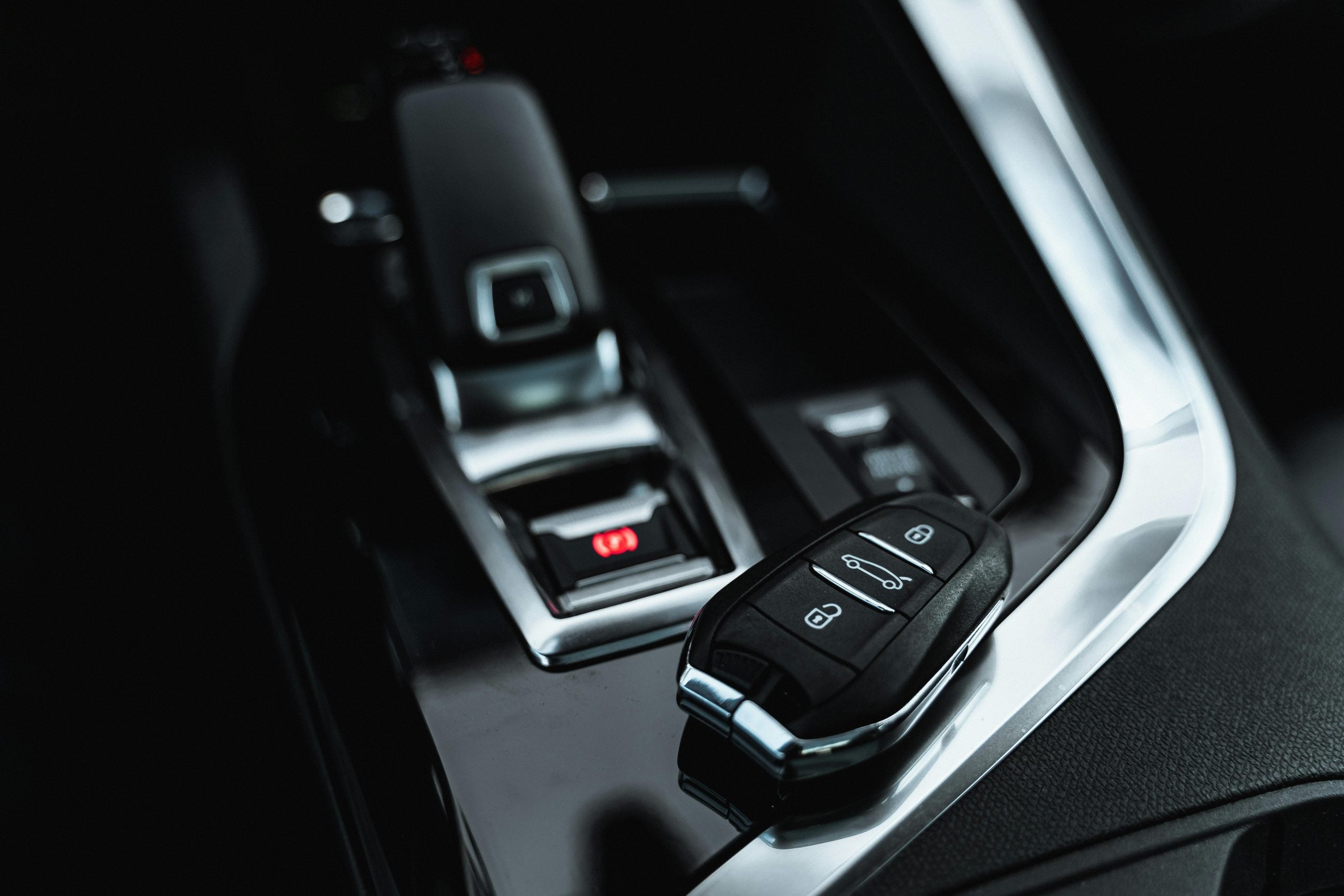
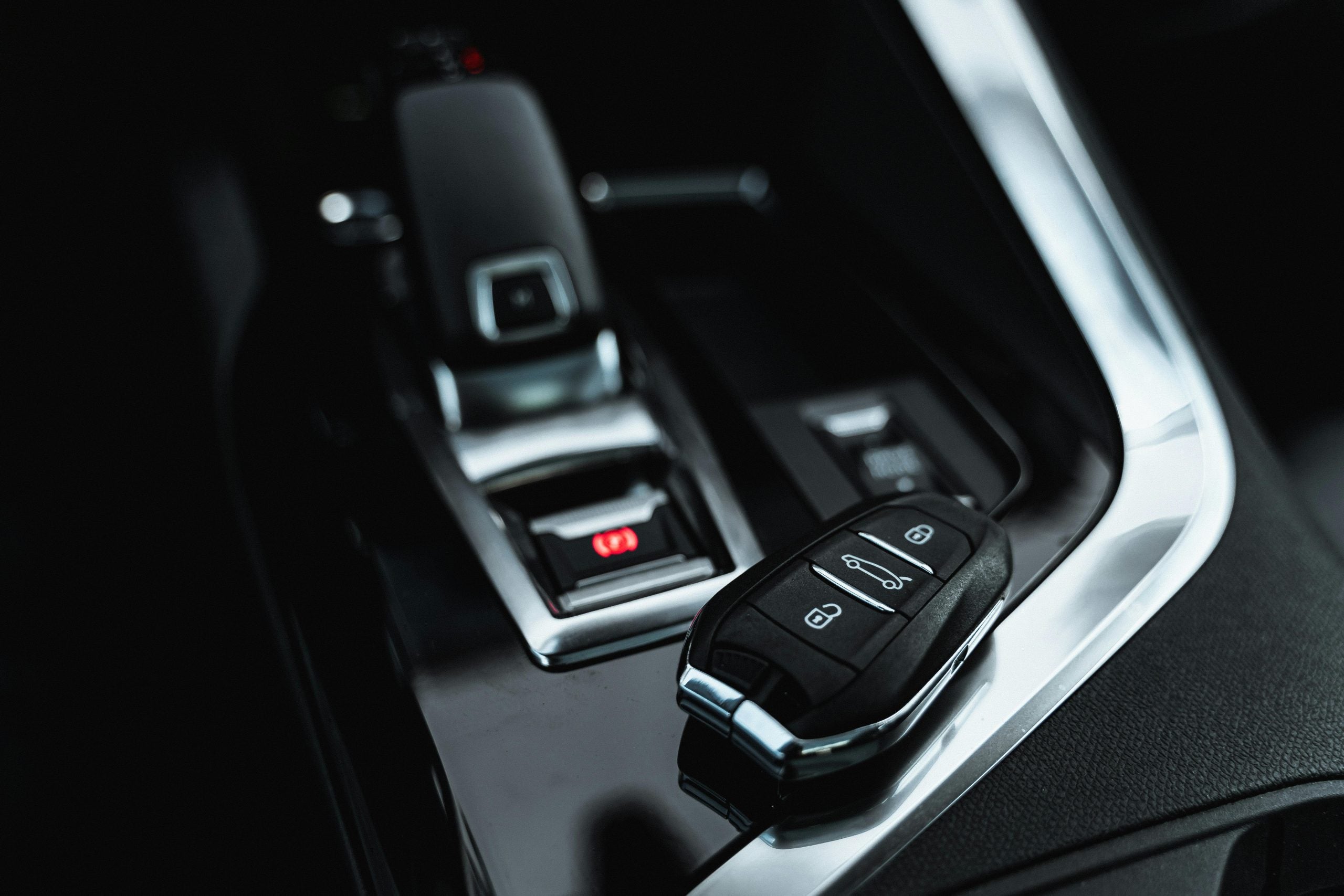
How To Replace a Subaru Key Fob Battery: Step-by-Step Guide

Key fobs are handy little devices that do more than lock and unlock your car with a click — they're your first line of defense against theft and a major convenience for busy Subaru drivers. Learning how to open your Subaru key fob can save you tons of hassle when the battery dies. It also helps you avoid those emergency trips to the dealership and keeps more cash in your wallet, something every driver in Plymouth Meeting can appreciate during Pennsylvania's unpredictable weather seasons. more A Step-By-Step Guide to Opening a Subaru Key Fob Opening your Subaru key fob is simple. First, figure out which fob you have. Subaru has three main types, each requiring a different battery. Newer rectangular models use 2032 batteries while older teardrop fobs need 2025 batteries. The oldest models with exposed metal keys use CR 1620 batteries. You don't need expensive premium batteries. Standard name-brand options work perfectly at half the price. After you've determined which fob type you have and have the correct Subaru key replacement battery, grab a small flathead screwdriver, the new battery, and rubber gloves. Don't skip the gloves — the oils on your hands can damage electrical components and cause weird glitches later. To open the newer rectangular models, press the silver button on the back, release the metal key, then slide your screwdriver into that gap and twist gently until it opens. For the older teardrop fobs and models with an exposed metal key, put your screwdriver into the visible seam and twist gently. Be patient and work around the edge gradually, as the plastic gets brittle in cold Pennsylvania winters. Rushing can break the fob case, leading to an expensive replacement. Battery Replacement: Inside the Subaru Key Fob With your fob open, you'll spot the battery right away. Remove the old battery using your fingernail or a plastic tool, applying firm but gentle pressure — avoid metal implements that could damage the circuit board. Once it's out, place the new battery in, ensuring it sits snugly without wobbling. When installing the new one, pay close attention to the plus and minus markings inside the fob and on the battery. Reassembling and Testing Your Subaru Key Fob To reassemble the key fob, line up both fob halves carefully — they usually fit only one way. Make sure all buttons sit properly before closing, then press evenly until you hear a click. Many fobs have plastic tabs that must slide into matching grooves, so don't force anything if you feel resistance. Double-check alignment first. After the fob is reassembled, you can test it by standing near your Subaru and pressing the lock/unlock functions. Then, back away to check the range. You can test the panic button, too, but be mindful of others nearby. Newer Subarus with a push-button start might need a reset after battery changes. With the doors closed, press the brake while holding the fob against the start button for a few seconds. Doing this reconnects communication after a power loss. This quick step can save you an unnecessary service visit when the battery change confuses your car's security system. Troubleshooting Common Issues Still having problems after changing the battery? Check the battery orientation first — many people install it backward while swearing they did it correctly. Next, examine the contacts. Those small metal points must be clean for good current flow. If necessary, a pencil eraser can effectively remove oxidation. If your range is poor, watch for interference from electronic displays in stores. Water or drop damage is trickier to fix. Water damage shows up as greenish-blue corrosion on metal parts. For slight moisture, the rice-bowl trick overnight sometimes works. Severe damage usually requires replacement. If your battery is completely dead, you can still start your car by placing the fob against the push-button start, as the emergency chip functions without power. Programming issues happen frequently after battery changes, especially in newer models. If your Subaru doesn't recognize your fob, try this reset: sit inside your Subaru with the doors closed and quickly press the brake pedal three times while pressing the unlock button. Always check your manual for model-specific steps. When DIY fixes fail, professional help might be your only option, as some problems need specialized diagnostic equipment. If it's been a while since you last changed your Subaru's key fob battery, check for the telltale signs of a dying battery, including needing multiple button presses, reduced range, or erratic behavior from your fob. Keeping Your Subaru Key Fob in Optimal Condition An ounce of prevention beats a pound of cure with these finicky gadgets. Don't leave your fob in direct Pennsylvania sun or freezing cold — temperature extremes kill batteries fast. Be aware of where you store your key fob. You might choose to keep it in a front pocket instead of on a bulky keychain that stresses internal connections. Avoid storing it with coins or keys that might scratch or press buttons by accident. Also, watch that your fob's panic button isn't getting pressed in a crowded pocket or purse, preventing your vehicle from starting. Cleaning matters for these devices. Those little crevices collect lint and crumbs faster than you'd think. When the buttons feel harder to press, that's your cleaning cue. Use a soft toothbrush for button edges and a slightly damp cloth for the exterior — never spray cleaners directly. You should also replace the battery in a Subaru key fob every three years, even if it works fine, to prevent your fob from dying at an inconvenient time. Like regular oil changes, basic key fob upkeep saves trouble down the road. Consider a protective silicone sleeve if you're rough on your stuff. They absorb impact, and some offer waterproofing. Just check that the case doesn't block signals, as thick or metallic ones can reduce range. If your range decreases despite a new battery, try this odd trick: hold the fob under your chin when pressing buttons, and your head will amplify the signal. You'll look weird, but you'll unlock your car from twice the distance. Ensuring Your Subaru's Security and Convenience Mastering the ability to open your key fob puts you in control of your Subaru's security features, and the tricks and techniques we've covered work for most Subaru models. Sometimes, though, you'll hit a wall with more complex problems. If your fob needs reprogramming or has suffered major damage, contact our team at John Kennedy Subaru or schedule a service visit. We can also check for other required maintenance services or recalls while you're here. Remember, a working key fob isn't just a convenience; it's part of your Subaru's security system and worth keeping in tip-top shape.

Man in Black Long Sleeve Shirt and Black Pants Climbing on Wall

The Best Indoor Rock Climbing Near Montgomery County, PA

Looking for a fun way to stay active indoors that doesn’t involve a treadmill or yoga mat? Montgomery County, PA, is a hub for indoor rock climbing, offering exciting and inclusive climbing experiences for all skill levels. Whether you're a first-timer seeking an adventurous afternoon, a family looking for a unique group activity, or a seasoned climber chasing the next challenge, there's a local climbing gym for you. We've rounded up some of the best indoor rock climbing spots within a 30-minute drive of Montgomery County. So chalk up, strap in, and let’s climb! more Reach Climbing & Fitness (Bridgeport, PA) Reach is the largest indoor climbing gym in the region, and it lives up to the name. With over 55-foot walls, a lead climbing cave, bouldering zones, and auto-belays, there's something for everyone. It’s also home to national climbing competitions, making it a hotspot for elite climbers. But beginners are just as welcome, with intro classes and rental gear available. The facility also offers yoga, fitness classes, and a weight room, making it a true community fitness destination. Philadelphia Rock Gym (PRG) - Oaks (Oaks, PA) A favorite among locals, PRG Oaks is part of the well-established PRG family of climbing gyms. The Oaks location offers a great mix of top-rope climbing, lead climbing, and bouldering. With colorful walls, creative routes, and friendly staff, it’s a welcoming spot for families, birthday parties, and climbers of all experience levels. They also offer youth climbing teams, camps, and climbing leagues for those who want to take their skills to the next level. Gravity Vault (Radnor, PA) The Gravity Vault in Radnor offers over 16,000 square feet of climbing space, including walls up to 40 feet tall. It features more than 200 climbing routes, a robust bouldering section, and auto-belays for solo climbers. What sets it apart is its attention to route setting—new challenges appear regularly, keeping things fresh. They also offer climbing classes for all levels, from beginner to advanced, and even corporate team-building events. Doylestown Rock Gym (Doylestown, PA) Doylestown Rock Gym may have a smaller footprint, but it delivers big on community and instruction. This family-friendly gym is ideal for beginners and young climbers. With top-rope climbs, bouldering areas, and climbing instruction from certified staff, it’s a supportive environment to learn the ropes. They also host scouting events, team-building activities, and homeschool programs, making it an excellent resource for local families. Philadelphia Rock Gym (PRG) - East Falls (Philadelphia, PA) Just on the edge of the 30-minute mark, PRG East Falls is a versatile space with a unique layout. Set in a historic building with a cozy, urban vibe, this gym offers an authentic climbing community atmosphere. The bouldering-focused layout is ideal for those who enjoy short, powerful climbs without the need for ropes. PRG East Falls regularly hosts community nights, competitions, and clinics for climbers looking to sharpen their skills or just hang out with fellow enthusiasts. Tufas Boulder Lounge (Philadelphia, PA) Tufas Boulder Lounge is all about bouldering and good vibes. Located just outside the Montco border, this gym features modern holds, mood lighting, and a stylish lounge area for relaxing between climbs. With curated route-setting and an emphasis on community events like Ladies Night and Queer Climb, it’s a space that celebrates inclusivity and fitness. Tufas is a great spot to meet new people, push your limits, and feel right at home. Wrap-Up: Climb Local, Climb Strong From towering walls to chill bouldering lounges, Montgomery County and its neighboring areas offer indoor climbing experiences for every type of adventurer. Whether you're training for your next outdoor send or just trying something new with friends, there's a gym nearby ready to welcome you to the wall. And when it's time to hit the road for your climbing adventures, make sure your ride is just as reliable as your belay partner. Swing by John Kennedy Subaru to explore vehicles perfect for hauling gear, road tripping with friends, and exploring new vertical playgrounds. See you on the wall!

2024-Subaru-Outback-Camping

Subaru Outback Maintenance Schedule

Regular maintenance is essential to keep your Subaru Outback in optimal condition to ensure your safety and that of your passengers on the road. In this guide, our team at John Kennedy Subaru provides a comprehensive breakdown of everything you need to know about the Subaru Outback's maintenance schedule. more Schedule Service Maintenance Schedule Lookup Buy Parts Understanding the Importance of Regular Maintenance Neglecting your Subaru scheduled maintenance can lead to expensive problems down the road. A well-maintained Subaru Outback delivers better gas mileage, safer trips, and fetches a higher price when it's time to sell. Subaru has created the maintenance timeline specifically for the Outback's unique needs. Although regular service costs money up front, it ensures that your car remains in optimal condition and provides peace of mind on the road. It's also cheaper in the long run than fixing a neglected car that breaks down completely. Subaru Outback Maintenance Intervals Your Outback's service needs follow both mileage and time guidelines, whichever comes first. The specific work required may change slightly based on your model year and driving habits. Sticking to these Subaru service intervals will help identify minor issues before they grow into significant issues. 6,000-Mile/6-Month Interval: Essential Checks Your first regular maintenance occurs at 6,000 miles or six months. During this service, the technician changes the oil and filter, rotates the tires for even wear, and inspects the brake pads, rotors, and lines. They'll also top off the fluids and inspect the belts, hoses, and battery condition. If you drive on roads that are salted in winter, Subaru recommends that you change the oil more often — every 5,000 miles or six months. Fresh oil provides better lubrication and prevents the metal components from grinding against each other. 12,000-Mile/12-Month Interval: Comprehensive Inspection At the one-year mark or 12,000 miles, your Outback needs more significant attention. Besides repeating the 6,000-mile services, the technician will perform a detailed inspection of the steering and suspension components and brakes, as well as test the clutch operation, replace the engine's air filter, and clean the heating and cooling system. This comprehensive inspection provides peace of mind on the road. 18,000-Mile/18-Month Interval: Engine and Cabin Focus The 18-month/18,000-mile visit builds on earlier services with special attention to comfort and performance. Along with routine checks, the mechanic will replace the cabin air filter if needed, adjust the engine idle speed, inspect fuel lines and connections, and look for any fluid leaks. A clean cabin filter prevents dust and pollen from entering your car's ventilation system, while identifying tiny fluid leaks early can save you thousands down the road. 24,000-Mile/24-Month Interval: Systematic Reviews This service includes all the previous maintenance tasks and adds a comprehensive inspection of the drive belts, valve clearance, exhaust system, heat shields, wheel bearings, and suspension joints. Proper valve clearance directly affects engine efficiency and gas mileage. Problems with the exhaust system can cause dangerous carbon monoxide leaks or reduce fuel economy. 30,000-Mile/30-Month Interval: Intensive Maintenance Check The 30,000-mile service covers everything. Beyond all previous checks, technicians will replace spark plugs, adjust valves, put in fresh coolant, clean fuel injectors, change transmission fluid if needed, and inspect differential oil. While official Subaru guidelines suggest new spark plugs at 60,000 miles, many professionals recommend doing this at 30,000 miles for optimal performance. Transmission fluid changes are essential, especially in continuously variable transmissions (CVT). Beyond 30,000 Miles: Long-Term Care After 30,000 miles, the schedule mostly repeats with additional tasks appearing at higher mileages. You may need timing belt replacement, major transmission work, brake fluid changes, or coolant system flushing. Make sure to still adhere to a regular maintenance schedule to keep your Subaru Outback in peak condition. Subaru recommends that you replace the timing belt every 105,000 miles. Neglecting this task can lead to severe engine damage if it breaks. Common Costs for Specific Services Prices for maintaining your Outback vary according to location, dealership, and model year. A basic oil service costs about $92 at dealers, excluding a tire rotation, while CVT transmission fluid changes cost roughly $450 at 137,500 miles. This may seem expensive, but it protects you from costlier breakdowns. Regular care spreads these costs out and often lowers total expenses by preventing major failures. Always call your local Subaru dealership for precise quotes in your area. Extended Warranties and Maintenance Plans Subaru offers various extended warranties and prepaid service plans that are worth considering. These packages cover unexpected fixes and provide peace of mind, especially for long-term owners. The prepaid maintenance deals include $380 for two-year/24,000-mile coverage, $679 for three-year/36,000-mile plans, or $1,099 for four-year/48,000-mile service. For broader protection, check out the extended warranty options. The Gold Plus Plan covers bumper-to-bumper issues, while the Classic Plan focuses on expanded drivetrain protection. These can stretch coverage up to 10 years or 100,000 miles. The average cost runs around $2,000, depending on your specific needs. Read the fine print carefully before signing. Consider your driving habits, how long you'll keep the car, and your budget when deciding whether these plans are for you. Optimize Your Subaru Outback's Life Span Taking good care of your Outback can prevent breakdowns and maximize your investment. Regular checkups increase your car's reliability, performance, life span, and resale value. Consult your owner's manual for specific recommendations for your model. If you're in Plymouth Meeting, Pennsylvania, we invite you to visit John Kennedy Subaru to talk to our knowledgeable team. Contact us today to schedule a service for your Subaru Outback.

Red Subaru Sedan on Road

What Is Subaru EyeSight?

Subaru EyeSight is a next-level driver-assist technology that's turning heads in automotive safety circles. This smart system uses twin cameras to watch traffic, spot obstacles, and boost your awareness on the road. EyeSight has become a key selling point for safety-minded drivers. From smart cruise control to automatic braking in emergencies, this tech package aims to make driving safer and more relaxing. Our team at John Kennedy Subaru of Plymouth has prepared a handy guide to this impressive system. more New Inventory Message Us Schedule a Test Drive Call Now Key Features of the Subaru EyeSight System EyeSight combines multiple safety features to protect you and your passengers. Two color cameras mounted near your rearview mirror create a 3D view ahead, acting as extra eyes scanning for danger while you drive. Select models add a third camera for improved cyclist and pedestrian detection. If you have questions about how EyeSight works, drop us a line anytime. Adaptive Cruise Control: Enhancing Long-Distance Drives Adaptive cruise control takes the fatigue out of long drives and is one of EyeSight's best features. Unlike basic cruise control, Subaru's smart system watches the traffic ahead and adjusts your speed automatically. In traffic jams, your Subaru slows down, and as traffic moves, your car accelerates, with no pedal adjustments needed. It's like having a second driver to handle monotonous stop-and-go driving. Newer versions of EyeSight can handle complete stops in traffic. When traffic moves again from a standstill, a quick tap on the gas gets you rolling again. It's a commuter's dream in city traffic. Pre-Collision Braking System: Ready To Stop When You Can't Pre-collision braking protects both your vehicle and the people in it. The system monitors for obstacles and can activate the brakes if you're slow to respond. Warning lights flash on your dashboard, and alert sounds signal you to act quickly. If your reactions lag, the system intervenes by applying partial or full braking force. It's most effective under 30 mph, when fender-benders typically occur, but it still helps reduce impact severity at higher speeds. This real-world protection earned Subaru models with EyeSight a Superior rating from the Insurance Institute for Highway Safety (IIHS) for front crash prevention. Lane Departure and Sway Warning with Lane-Keep Assist We've all drifted out of our lane during long drives, and Subaru's lane departure warning can catch this quickly. Subaru EyeSight's twin cameras track lane markings and alert you with dashboard warnings and steering wheel vibrations when you drift without signaling. Lane-keep assist goes further by gently steering you back to the center lane position. Active at highway speeds above 40 mph, it's perfect for long interstate stretches where your attention often wanes. The system even detects driver fatigue through erratic steering or frequent lane drifts and suggests breaks when needed. While helpful, these features complement rather than replace attentive driving. Subaru's Automatic Emergency Steering: Navigating Unexpected Obstacles Automatic emergency steering is EyeSight's true lifesaver. It activates when braking alone won't prevent a crash. When the system detects an imminent collision, it helps steer around danger while trying to keep you in your lane. If a child runs into the street or a car suddenly stops, it helps you swerve safely without drifting into other lanes. Working alongside pre-collision braking, it creates a more comprehensive safety net. Most effective at speeds under 50 mph, it's perfect for city driving. Subaru Models With EyeSight Technology If you're shopping for a Subaru, EyeSight now comes on practically all their vehicles. From the family-hauling Ascent to the zippy WRX, this safety tech is widespread. The Outback, Forester, Crosstrek, Legacy, Impreza, and Ascent all include EyeSight as standard equipment. This technology has advanced quickly since it first appeared. EyeSight was first available in Japan in 2008, and it reached American shores in 2012 on the 2013 Legacy and Outback. Subaru has sold 5.5 million EyeSight-equipped vehicles worldwide. Subaru keeps pushing forward with this technology. Its newest version, EyeSight X, uses four cameras for complete 360-degree monitoring. This upgraded system is available in Japan now and should expand to more markets soon. It's part of Subaru's goal of zero fatal traffic accidents by 2030. How Does Subaru EyeSight Work? EyeSight's magic happens through two cameras mounted near your rearview mirror. These cameras work like your eyes, creating depth perception that judges distances better than single-camera systems. The system processes images in split seconds and recognizes colors, such as red brake lights or changing traffic signals, something radar systems can't do. Though reliable, EyeSight has limits in bad weather. Heavy rain, fog, or snow affects it just as it would your vision. Subaru's newest EyeSight X addresses this with four cameras for all-weather visibility. If you need help with your system, our service team has you covered. The Safety and Cost Benefits of EyeSight EyeSight's effectiveness speaks through impressive numbers. IIHS studies show it reduces injury-causing rear-end crashes by 85%, meaning fewer hospital visits and painful recoveries. The Highway Loss Data Institute confirms EyeSight's value, showing it reduced pedestrian-related insurance claims by 41%. Your finances benefit too. Insurance companies such as Liberty Mutual offer up to $200 in savings on Subarus with EyeSight. These discounts accumulate yearly. Avoiding crashes also means no repair costs or premium increases, which keeps money in your pocket. Enhance Your Driving Experience With Subaru EyeSight Subaru's EyeSight isn't just another car gadget. It provides real safety, from making traffic jams tolerable to preventing accidents with emergency braking. It's your extra pair of eyes, reducing stress and boosting confidence with every drive. Nothing compares to experiencing this tech firsthand. Imagine relaxing in stop-and-go traffic as your car maintains perfect distance or when it reacts to a hazard you missed. Test-Drive a Subaru With EyeSight Today If you're ready to try Subaru EyeSight for yourself, contact John Kennedy Subaru in Plymouth for a test-drive. Our team will demonstrate EyeSight's capabilities and answer your questions. While you're at our dealership, consider booking a service to keep your Subaru in top shape.

A White Vehicle Parked on Dirt Road

How Long Do Subaru Outbacks Last? Lifespan & Reliability

If you're hunting for a midsize crossover SUV known for its longevity, consider the Subaru Outback. With its impressive off-road capabilities, this car is undoubtedly built for the trail. Its design is practical, and its interior is spacious, making it a solid pick for Plymouth Meeting families. However, how long do Subaru Outbacks last? Read on to discover the answer and learn about the factors contributing to the Subaru Outback's longevity. more New Outback Inventory Understanding the Longevity of Subaru Outbacks A properly cared-for Subaru Outback can last for years and serve you reliably. Its advanced safety features attract many car enthusiasts. It also provides generous trunk space and is available in several trim levels. Subaru Outbacks are praised for their longevity. With regular maintenance, you can expect yours to last between 200,000 and 300,000 miles or from 10 to 20 years. However, beware that improper care could reduce its life span by several miles. Impact of Driving Habits and Environmental Factors Your driving habits affect the longevity of your Subaru Outback. For instance, rapid acceleration in high gear can strain your engine, leading to premature replacement or repair of critical components. Optimal Driving Practices for Longevity Adopting responsible driving habits can minimize stress on your Subaru Outback's systems and extend its longevity. These include the following: Avoid sudden starts and stops to reduce strain on your engine. Drive within the speed limit to protect the tires and engine from excessive wear. Inspect your tires and ensure proper pressure to increase their life span and enhance braking and handling. Rotate your tires every 6,000 to 7,500 miles for optimal performance. Follow Subaru's recommended maintenance schedule to eliminate minor issues before they become serious problems. Weather and Terrain: How They Affect Your Subaru Outback While the Subaru Outback is built to withstand harsh conditions, it's still susceptible to the negative effects of harsh weather and rough terrain. Extreme heat can stress your car's cooling system and reduce the durability of its rubber components. In addition, regularly driving on uneven terrain can cause tire damage, alignment issues, and suspension wear. Storage and Protection Strategies Proper storage and protection methods can help your Subaru Outback last a lifetime. Consider parking it in a garage to shield it from the elements. If you live in an area with heavy snow and ice, we recommend rustproofing it with a quality spray and ceramic coating. A clear protective coating can lengthen your Outback's life while protecting the hood, fenders, and front end from unsightly chips and scratches when navigating harsh terrain. Choosing the Right Model and Year According to RepairPal, the Subaru Outback's reliability rating is 3.5 out of 5.0,  putting it on the list of the top 10 best midsize SUVs on the market. Its enhanced off-road capabilities, practicality, and comfort make this car versatile. However, you must pick the model that fits your driving habits to enjoy these benefits. Subaru Outback Model Comparison: Older vs. Newer Models Before you buy a Subaru Outback, consider whether you prefer a newer or older model. Read on to explore the differences between them: Design: Newer models have sleek, SUV profiles, while older Subaru Outbacks have boxy designs. Fuel economy: Most older Outbacks flaunt a fuel economy of about 25 mpg combined, while newer models boast up to 28 mpg combined. Interior design: Older Subaru Outbacks showcase a utilitarian interior and less auto technology, while the newer models feature a more refined interior with premium materials and advanced tech features. Infotainment system: Older Outbacks use physical buttons and knobs to control its various functions, while newer models have a more convenient touch screen. Noise insulation: Newer Outbacks offer quieter rides because they include better noise insulation features, while older models have noisier cabins. While older and newer Subaru Outbacks differ in many ways, they still share similarities. For instance, most have a generous ground clearance of 8.7 inches. Some trims, such as the Outback Wilderness, provide up to 9.5 inches. Upgrades in Recent Models Below are several impressive features you'll notice in newer Subaru Outback models: Subaru Global Platform: 2020 Outback models and later versions are built on the Subaru Global Platform, which enhances the vehicle's strength and rigidity to improve performance. Dual-function X-MODE: Some Subaru Outback trims include the dual-function X-MODE to improve traction on rough terrain. EyeSight Driver Assist: Newer Outback models feature the upgraded EyeSight Driver Assist, which offers features such as precollision braking and adaptive cruise control to enhance car and driver safety. Tips for Buying a Used Subaru Outback The Subaru Outback's life expectancy is more than 10 years, so investing in a used model is safe, especially if you want to save money and spend less on insurance. Here are some tips to help you choose the model that best fits you: Do your homework: Research some model years, identifying those with features that suit your needs and preferences. Request maintenance records: Invest in a well-maintained Subaru Outback, which can last 200,000+ miles, while a poorly maintained vehicle may experience multiple problems after purchase. Inspect the vehicle: Hire a trustworthy technician to inspect the Subaru Outback you want and identify current and potential future issues so you can make an informed purchase. Run a vehicle identification number, or VIN, check: Protect yourself from being scammed using this process to become familiar with the car's ownership and accident history. Ready To Buy Your Subaru Outback? A new or used Subaru Outback can be a great investment. If you're looking for the right model in Plymouth Meeting, Pennsylvania, begin your search with us at John Kennedy Subaru. Our extensive selection of new and used Subaru vehicles means you'll have plenty of options. We also supply Subaru parts and maintenance services to improve your ride's performance and reliability. Contact us to schedule a test-drive and find the best Outback for your needs.

Contact Us

Fill out this form below and we'll contact you shortly
*Required Fields