
How to Get Your Subaru Ready for Winter in Plymouth Meeting, PA | John Kennedy Subaru
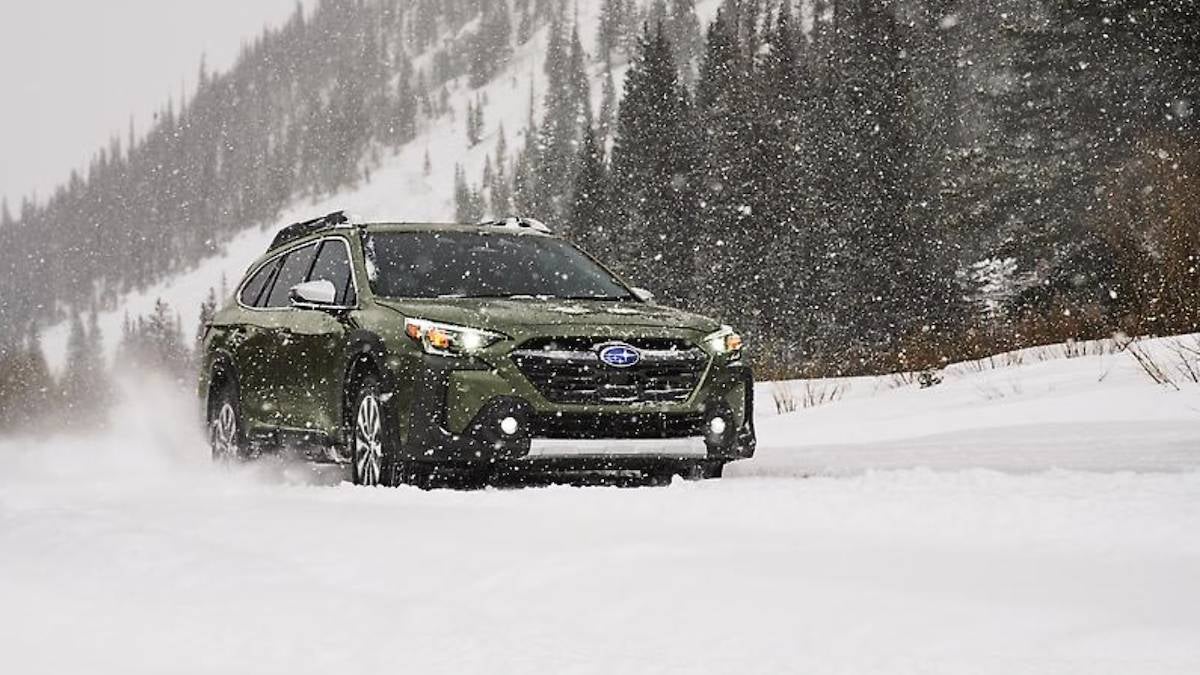
Around Plymouth Meeting, winter rarely shows up as one big storm. It's frost on Ridge Pike at 7 a.m., slush on the Schuylkill Expressway, salt and brine on Germantown Pike and I-476, and the occasional storm that turns an unplowed side street into a skating rink. Subaru's Symmetrical All-Wheel Drive gives you a real head start on all of it, but it's only one piece of the winter picture.
Here's the checklist our service team walks through with Plymouth Meeting drivers every fall, so your Subaru is ready before the first snowflake instead of after.
1. Start With Your Tires: AWD Helps You Go, Tires Help You Stop
All-wheel drive sends power to all four wheels to keep you moving on slick pavement. What it can't do is shorten your stopping distance or help you turn on ice. Those jobs belong to your tires, which is why Subaru's own winter driving guidance still reminds drivers to practice safe habits even with Symmetrical AWD engaged.
Three quick tire checks before winter:
- Tread depth. Try the penny test: place a penny into the tread with Lincoln's head pointing down. If you can see the top of his head, your tread is at or below 2/32" and the tire needs replacing. For snow and slush, you'll want more tread than the legal minimum.
- Tire pressure. Pressure drops roughly 1 psi for every 10°F drop in temperature, so the first cold snap often triggers your warning light. Check pressure when the tires are cold and match the number on the sticker inside the driver's door, not the number printed on the tire sidewall.
- All-season or winter tires? All-season rubber starts to stiffen once temperatures settle below about 45°F. Winter tires use a softer compound and a tread pattern built for snow and slush, which helps with braking and cornering. If you drive early commutes or live on a hilly road, they're worth a look. Browse our winter tires and Tire Center.
While you're at it, a tire rotation and balance keeps wear even, and a wheel alignment is smart if your Subaru pulls to one side or you hit a few potholes last winter.
2. Test Your Battery Before the Cold Does
Cold weather cuts a battery's available power right when your engine needs more of it to start. A battery that seemed fine in September can quit on the first 20°F morning. Most batteries last about three to five years, so if yours is in that range, have it tested. It's a quick check, and it beats a dead battery in a parking lot at Plymouth Meeting Mall.
3. Check Your Brakes
Slush, brine, and road salt are hard on brake components. A brake inspection looks at pad thickness, rotor condition, and brake fluid, which absorbs moisture over time and should be replaced on schedule. Use our Subaru maintenance schedule lookup to see where your vehicle stands.
4. See and Be Seen: Wipers, Washer Fluid, and Lights
- Wiper blades. If yours streak, chatter, or skip, replace them. It's one of the cheapest safety upgrades you can make.
- Washer fluid. Fill up with a winter-rated fluid that won't freeze. Summer fluid can freeze in the lines when you need it most.
- Lights. Walk around the vehicle and check every exterior bulb. Pennsylvania law also requires your headlights to be on whenever your wipers are on, according to PennDOT.
5. Keep EyeSight's "Eyes" Clear
Subaru's EyeSight Driver Assist Technology relies on cameras mounted at the top of the windshield. Heavy snow, ice, dirt, or a fogged windshield can limit what those cameras can see, and that can limit what the system can do. Clear the glass completely, including the area around the rearview mirror, and keep bumper sensors free of snow and slush. Always treat driver-assist features as a backup, not a replacement for your own attention.
6. Check Fluids and Keep the Tank Half Full
Have your coolant tested so you know it can still protect against freezing and corrosion, and make sure your oil is at the right level. Keeping your fuel tank at least half full all winter also gives you a cushion if you get stuck in traffic or stranded with the heater running.
7. Know Your Subaru's Winter Tech
- X-MODE. On models equipped with it, X-MODE includes Snow/Dirt and Deep Snow/Mud settings that adjust throttle response, transmission behavior, and torque distribution for low-speed grip. It's built for situations like an unplowed driveway or a slippery incline. Hill Descent Control helps you keep a steady speed going down steep, slick grades without heavy braking.
- Remote services. On properly equipped models with an active plan, Connected Services lets you start the engine, lock and unlock doors, and check vehicle status from your phone, so you can warm up the cabin and start defrosting before you head out.
8. Know Pennsylvania's Snow and Ice Law
Since 2022, Pennsylvania drivers must make reasonable efforts to clear accumulated snow and ice from the hood, trunk, and roof of their vehicle within 24 hours after a storm ends. According to PennDOT, you can be fined $50 per offense even if nothing falls off. If snow or ice dislodges from a moving vehicle and causes death or serious bodily injury, fines range from $200 to $1,500 per offense. It's also unlawful to drive with snow or ice blocking your view through the windshield or windows.
Tall Subarus like the Outback, Forester, and Ascent can be tough to clear by hand, especially with roof rails, so a telescoping snow brush is a good buy.
9. Pack a Winter Emergency Kit
Keep these in the cargo area from November through March:
- Ice scraper and snow brush
- Small folding shovel
- Flashlight with fresh batteries
- Jumper cables or a portable jump starter
- Warm blanket, gloves, and a hat
- Phone charger or power bank
- First-aid kit
- Water and non-perishable snacks
- Sand or cat litter for extra traction
10. Rinse Off the Road Salt
Road crews treat Montgomery County roads with salt and brine, and those residues can speed up corrosion on the underbody and brake components. On days when it's above freezing, a car wash with an undercarriage rinse is cheap insurance, especially after a salted storm.
Quick Winter Checklist
- Tires: tread, pressure, and winter tires if you want them
- Battery tested
- Brakes inspected
- Wipers replaced and winter washer fluid filled
- Lights working
- Windshield, cameras, and sensors clear
- Coolant and oil checked, tank half full
- Roof, hood, and trunk cleared of snow and ice
- Emergency kit packed
- Undercarriage rinsed after salting
Schedule Your Winter Service at John Kennedy Subaru
John Kennedy Subaru has been family-owned for over 60 years, and our factory-trained technicians know Subaru vehicles inside and out. We use genuine Subaru parts and keep your service history on record so it follows your vehicle. Whether you want a battery test, a brake inspection, new wipers, or a full seasonal check, we'll tell you what your Subaru actually needs and what can wait.
Our service center is open Monday through Friday from 7 AM to 6 PM and Saturday from 8 AM to 4 PM at 1201 E Ridge Pike in Plymouth Meeting.
Schedule Service | Service & Parts Specials | Shop Winter Tires
Or call us at 610-278-5000.
Proudly Serving Plymouth Meeting and the Surrounding Communities
John Kennedy Subaru is a convenient stop for drivers throughout Montgomery County and the greater Philadelphia area. We're proud to serve drivers from:
Plymouth Meeting, PA Conshohocken, PA West Conshohocken, PA Norristown, PA East Norriton, PA West Norriton, PA King of Prussia, PA Blue Bell, PA Whitemarsh, PA Lafayette Hill, PA Ambler, PA Fort Washington, PA Ardmore, PA Philadelphia, PA
No matter which of these communities you call home, our Plymouth Meeting service center is just a short drive away.
This post is general guidance. Always follow your owner's manual for your specific vehicle, as features vary by model, trim, and year. Connected Services features may require an active subscription. Pennsylvania snow and ice law details are summarized from PennDOT and Pennsylvania State Police information and may change. Subaru winter driving guidance referenced from Subaru of America. See John Kennedy Subaru for current service specials and availability.