Sales: 610-278-5000 Service: 610-278-5000 Parts: 610-239-2945 | |
Blog / Subaru WRX

Which Subaru WRX Years Are the Most Reliable?

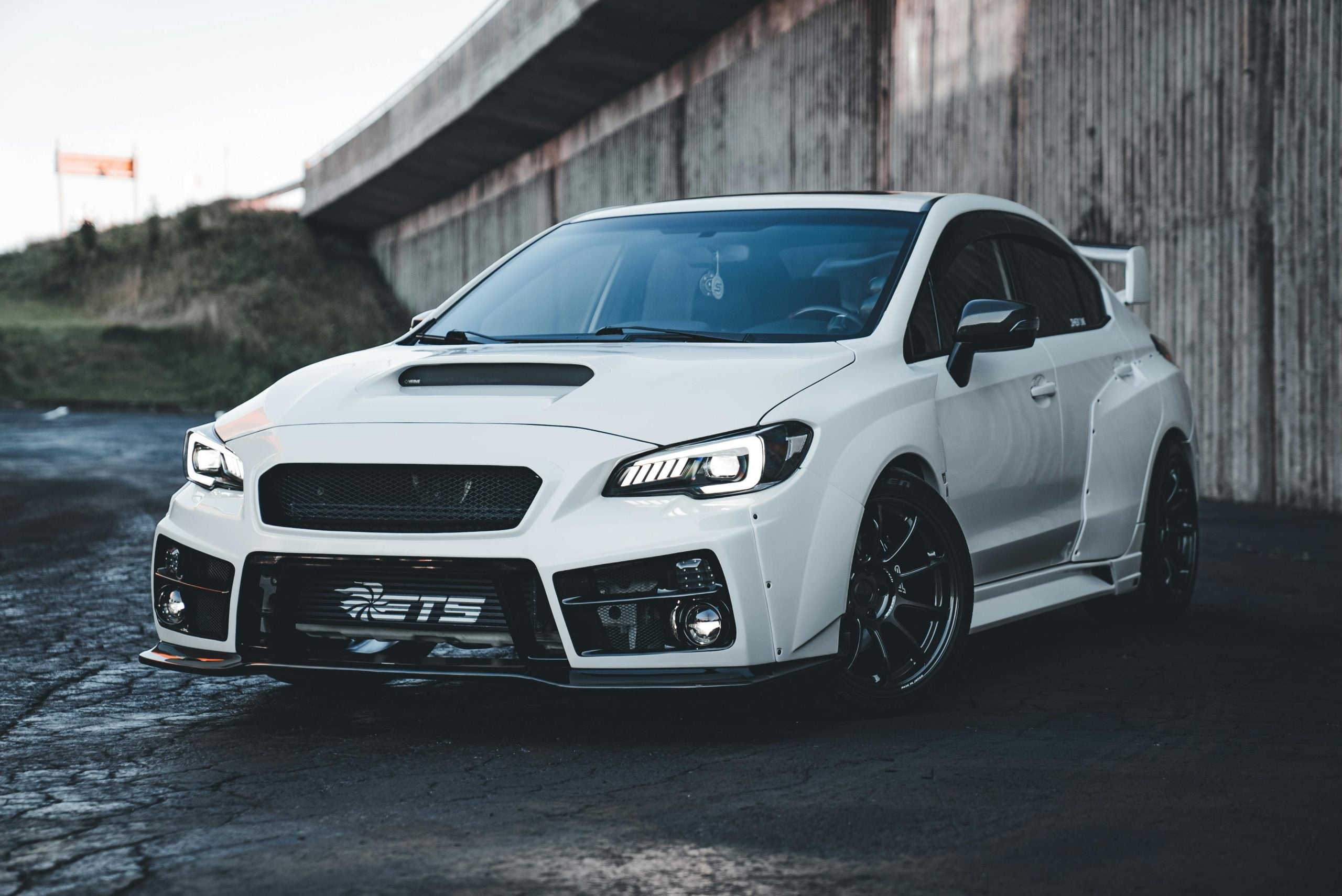
A White Subaru WRX STI

The Subaru WRX is a high-performance sport sedan that has been on American roads for 20-plus years. Some years shine brighter than others, though, and picking the right Subaru WRX model year could save you thousands in repair bills. At John Kennedy Subaru in Plymouth Meeting, we'll walk you through this vehicle so that you can spot the best one for your next Subaru WRX.

What Makes Certain WRX Years Better Than Others

Not all WRX models are created equal. Over time, Subaru has addressed major flaws, including leaky head gaskets, fragile turbos, and finicky fuel systems. The company has also continued to make adjustments behind the scenes. Manual transmissions have undergone improvements in their clutches and internal components over the years, while continuous variable transmissions (CVTs) have evolved through software updates and hardware enhancements, resulting in longer lifespan.

Parts availability isn't equal across all years either. You'll find aftermarket options for WRX models from 2008 to 2025, as well as STI versions from 2008 to 2021.

Subaru WRX Years To Avoid and Why

The 2015-2016 models are the primary years to avoid, as they are plagued by clutch and electrical issues, drivetrain headaches, and transmission and engine troubles. You'll also want to avoid some early-2000s WRXs due to head gasket issues.

Turbo engines from the mid-2000s require strict maintenance, as skipping an oil change or using subpar products can lead to serious issues. The cooling systems on these older models aren't designed well, and oil starvation can quickly damage motors. These years can still be good buys, but only if they've had consistent care and you're ready to continue the tradition.

Most Reliable Subaru WRX Years: Top 5 Picks for 2025

Subaru has maintained strong reliability rankings over the years, and these five model years balance fun, dependability, and reasonable costs effectively:

  1. 2025: This WRX leads with a 9/10 performance score from The Car Connection. The turbo kicks in above 3,000 rpm, and it exhibits excellent cornering capabilities.
  2. 2023: This model year earns second place with a perfect 5/5 safety score from the National Highway Traffic Safety Administration. Its 2.4L turbo engine, with 271 hp, has fixed earlier issues.
  3. 2021: Third place goes to the 2021 WRX with a 4.7/5 reliability rating and strong owner satisfaction on cars.com.
  4. 2020: This model year takes fourth with an 80/100 J.D. Power reliability score and minimal complaints.
  5. 2019: Fifth spot belongs to the 2019 WRX for proven durability and reasonable pricing.

Subaru WRX Reliability: What Owners Should Know

RepairPal assigns the WRX a reliability rating of 3.5/5 and estimates the average annual repair costs to be $682. Owners should expect unscheduled repairs approximately 0.3 times a year, with 14% of those repairs being major issues. Common problems include rod knock, excessive oil consumption, turbocharger failures, clutch issues, CVT problems, faulty sensors, and infotainment system glitches. The 2017-2021 models improved significantly with better clutches, stronger engines, and refined CVTs.

Properly maintained WRXs can exceed 200,000 miles, though modified vehicles often need rebuilds at 150,000-200,000 miles. Plymouth Meeting drivers should be aware that gaskets and seals can be compromised by salt and temperature fluctuations, necessitating careful maintenance.

Factors To Consider When Choosing Your WRX Year

When choosing your WRX year, it's essential to consider more than just the sticker price. Insurance costs more for turbo models, and some years require expensive maintenance. It's worth researching the specific model year you're considering to determine the average maintenance and repair costs.

Be aware of the engine if you're considering modifications, as the FA20, EJ25, and FB motors need specific parts. If you're considering a pre-owned Subaru, be sure to check if any modifications have already been made. Popular upgrades include turbochargers, intercoolers, fuel systems, suspension systems, and brake systems. Transmission type matters as well. Manual transmissions offer more engagement but require clutch work over time, while CVTs handle traffic more efficiently but may not last as long.

Another consideration when choosing your WRX year is the tech features, which can vary dramatically between generations. Newer models feature touch screens, phone integration, and driver-assist features. Ensure the model year you choose has the features that you want.

Subaru WRX or STI: Which One Offers the Best Options?

For regular commuting, many drivers prefer the WRX. It's more suitable for day-to-day use, especially in recent years, where the power difference isn't huge. The standard WRX handles Plymouth Meeting's rough roads with less spine compression while still delivering plenty of thrills when the road opens up.

Traditionally, STIs have been equipped with more muscle, featuring track-ready suspension, larger brakes, and stronger engines. The trade-off, though, is higher price tags, insurance premiums, and repair bills. Also, while the STI's racing-inspired suspension feels amazing on smooth tracks, it can be punishing on pot-hole-filled streets. Please note that STI models were discontinued after 2021, so parts compatibility only applies to 2008-2021 models.

If you want to optimize your engine, e-tuning is a great option for 2006-2014 WRXs and 2004-2014 STIs. You can even put modified STI turbos on 2006-2007 WRX models with the right tuning.

Find Your Perfect WRX at John Kennedy Subaru

Whether you're looking for a daily driver or a weekend toy, at John Kennedy Subaru, we have a Subaru WRX for you. Check out our latest WRX inventory online or talk with our sales team, who know these cars inside and out and can help match you with the perfect year for your needs and budget. Contact us today to schedule a test-drive and see why WRX fans trust us more than anyone else.

Posted in:

Related Posts

Subaru WRX

Which 2024 Subaru WRX Trim Level Is Right for You?

If you're in the market for a new sedan, the 2024 Subaru WRX should be at the top of your list. This snappy sport compact features brisk acceleration and stable, engaging handling for a fantastic ride. Whether navigating city streets or enjoying open highways, the WRX balances spirited performance and practical daily usability, making it a versatile choice for drivers who crave power and convenience. Our John Kennedy Subaru Plymouth team invites you to explore the 2024 Subaru WRX trim levels before scheduling a test-drive. more The 2024 Subaru WRX Lineup The 2024 Subaru WRX is available in five trims: Base, Premium, Limited, TR, and GT. Let's examine the standard features of each trim to help you decide which one best suits your needs. WRX Base: Standard Specifications The 2024 Subaru WRX Base features LED headlights, remote keyless entry, and 17-inch wheels with summer performance tires. You also get cloth sport-bolstered seats, single-zone automatic climate control, a leather-wrapped steering wheel, a six-speaker sound system, and dual 7-inch center touch screens with Apple CarPlay and Android Auto integration. The 60/40-split folding rear seats enable various cargo and passenger configurations, allowing you to make the most of every drive. WRX Premium: The Performance Baseline Upgrading to the Premium trim adds heated side mirrors, a windshield wiper deicer system, LED fog lights, and 18-inch wheels. You'll also enjoy keyless entry and push-button ignition, dual-zone automatic climate control, heated front seats, dual rear USB ports, and an 11.6-inch center touch screen. Optional additions to the Premium include a sunroof and Harman Kardon premium sound system, improving the overall driving experience. WRX Limited: Enhanced Comfort and Features The Limited trim has a standard sunroof, body-color exterior mirrors with integrated turn signals, and adaptive headlights. It also has synthetic leather upholstery with microsuede inserts, a power-adjustable driver's seat, navigation, and a standard Harmon Kardon premium stereo system. WRX TR: Tuner Ready With Unique Styling The TR removes the sunroof and adds various performance features, including revised suspension tuning for precise handling, Brembo brakes, and 19-inch wheels with high-performance tires. You and your front passenger will enjoy the RECARO front sport seats for a sporty feel. WRX GT: Peak Performance on Your Daily Commute The GT trim ups the performance factor with additional drive mode settings and adaptive suspension dampers that adjust to enhance handling and ride comfort. This top-of-the-line trim also features RECARO front sport seats and an upgraded interior trim. Performance Across Trims You'll find the same engine under the hood of each 2024 Subaru WRX. The WRX boasts a 2.4-liter horizontally opposed BOXER four-cylinder engine that delivers 271 horsepower and 258 pound-feet of torque. Each trim has standard all-wheel drive for better traction and control in various driving conditions. The first four trims have a standard six-speed manual transmission. The GT comes with a continuously variable transmission (CVT), known as the Subaru Performance Transmission, which is also available in the Premium and Limited trims. Additional performance features include: Active Torque Vectoring Vehicle Dynamics Control Traction control system Sport-tuned four-wheel independent suspension (Base, Premium, Limited, TR) with electronically controlled dampers (GT) STI performance mufflers, an STI Duracon shift knob, an exhaust finisher, and a trunk spoiler are all optional on the WRX. You can enjoy the EPA-estimated 26 mpg on the highway and 19 mpg for city driving in the Base, Premium, Limited, and TR. The GT drops slightly to 25 mpg for highway driving and 18 mpg in the city. Safety and Driver-Assistance Features Each trim of the 2024 Subaru WRX has an advanced airbag system to protect you and your passengers in the event of a collision. The Base trim also has various driver aids to further protect everyone, including forward collision warning with automatic braking, lane-keep assist, lane departure mitigation, evasive steering assistance, and adaptive cruise control. The Limited adds a blind-spot warning with rear cross-traffic alert, and if you opt for the CVT, you also get automatic rear braking. EyeSight Driver Assist Technology is a standard feature that optimizes cruise control, monitors traffic movement, and warns you if you sway outside your lane, providing added peace of mind. Pricing by Trim The MSRP is the price at which a car manufacturer recommends a dealership sell a vehicle. It serves as a baseline for pricing but doesn't include taxes, fees, or dealer markups. While you can use the MSRP as a reference, actual purchase prices may vary based on demand, incentives, and negotiations. The 2024 Subaru WRX MSRPs are as follows: Base: $32,735 Premium: $34,635 Limited: $39,015 TR: $41,655 GT: $44,215 These prices serve as a starting point for buyers, but final costs may vary depending on dealership pricing, location, and available promotions. It's always good to check with local dealerships for the most up-to-date offers and potential savings. What's New for the 2025 Subaru WRX Trim Levels? The 2025 Subaru WRX removes the Base trim and replaces the TR trim with the highly anticipated tS trim. The tS will have an upgraded suspension, upgraded brakes, and various visual changes to appeal to performance enthusiasts. The tS features STI-tuned electronically adjustable dampers, gold-finished Brembo brakes, drive mode select, and exclusive 19-inch wheels with Bridgestone Potenza tires. Prepare for an adrenaline-fueled ride with the precision-engineered 2025 WRX tS, delivering full-throttle excitement at every turn. Visit John Kennedy Subaru Plymouth Today When you're ready to experience the performance of the 2024 Subaru WRX, contact our team at John Kennedy Subaru Plymouth. We're ready to answer your questions, give you a tour of our inventory, review financing options, and schedule a test-drive. We'd also love to discuss the upcoming 2025 WRX features and release date. Visit us at 1201 E. Ridge Pike in Plymouth Meeting, Pennsylvania, from 9 a.m. to 8 p.m. Monday through Friday and from 9 a.m. to 5 p.m. on Saturday. Call us at 610-278-5000 or complete our secure online form to get started.

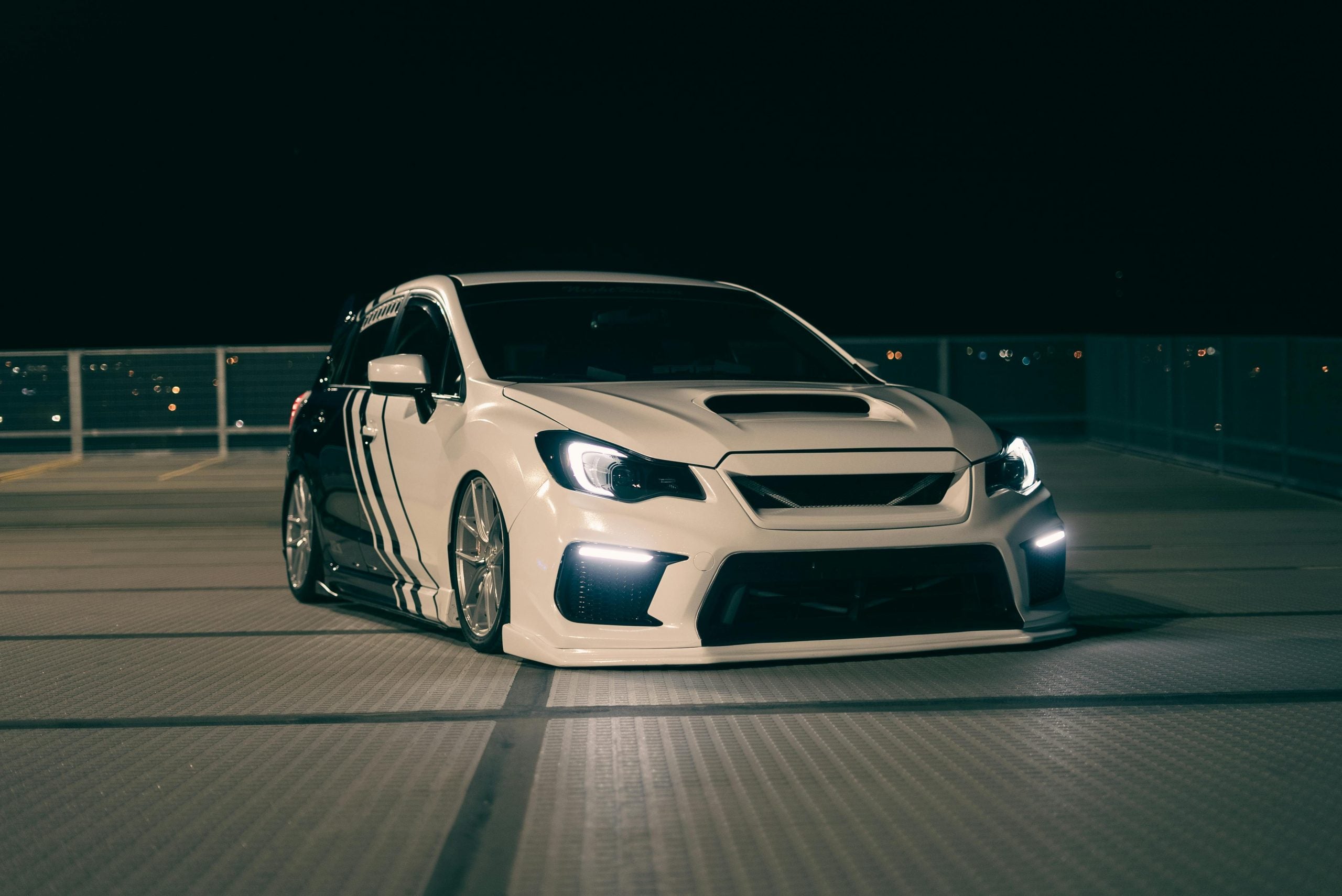
A Subaru WRX on the Parking Lot at Night

Best WRX Modifications — Transform Your Ride Now

The Subaru WRX is a sporty sedan that's been a regular fixture at rally events since its release in 1992. Originally developed as a turbocharged version of the Subaru Impreza, the automaker first adopted the WRX name for the fourth-generation release of this sedan in 2014. The fourth-generation WRX brings various performance and styling upgrades to the model and allows for exciting modifications for more personalization. This review compiles some of the best Subaru WRX and STI modifications to improve your car's performance. Read on to discover which brands to consider for these upgrades. more New WRX Inventory Top Performance Upgrades for the Subaru WRX Plenty of performance upgrades are available for later-model Subaru WRXs that you can leverage to improve performance and power output. Here are a few that are guaranteed to transform your WRX's performance. Cold Air Intake Systems A cold air intake system is one of the most straightforward ways to boost your WRX's performance. This modification allows more airflow into the engine, increasing horsepower and torque. Popular brands such as COBB and AEM offer reliable options that improve performance and create a more aggressive engine sound. Exhaust System Upgrades Upgrading your WRX's exhaust system can significantly improve its horsepower and torque and make its engine exhaust sound sportier and more aggressive. There are three types of exhaust systems: cat-back, axle-back, and turbo-back exhausts. Each offers different levels of performance gains and sound characteristics. At John Kennedy Subaru of Plymouth in Pennsylvania, we recommend cat-back exhaust systems for new Subaru models, as they provide the optimal balance of performance and sound. Coilovers Coilovers provide height adjustment, improved handling characteristics, and adjustable damping that can strengthen your WRX's cornering ability while giving it a more aggressive stance. Brands such as KW, TEIN, and BC Racing offer quality suspension solutions. Turbo and Intercooler Enhancements Upgrading your turbocharger and intercooler system can significantly increase your WRX's power output. Larger or more efficient intercoolers help reduce engine heat soak while improving the overall performance. Popular manufacturers for turbocharger upgrades include Garrett, Blouch Performance Turbo, and Forced Performance, while Mishimoto, Process West, and COBB provide high-quality intercooler systems. Engine Control Unit Tuning Engine control unit (ECU) tuning optimizes your WRX's engine performance by adjusting fuel and ignition timing parameters. A proper ECU tune can significantly increase horsepower, torque, and throttle response. Reputable tuners such as COBB and APR offer proven solutions that improve the overall performance while potentially improving fuel efficiency. Bigger Fuel Injectors Upgrading to bigger fuel injectors is one of the simplest modifications you can perform to improve your WRX's performance. Increasing the size of the fuel injectors adds more fuel to the fuel system, resulting in more combustion and greater power. Performance Clutch The Subaru WRX's native clutch can handle the engine power comfortably. However, if you plan on upgrading to a more powerful high-output engine, you'll need to upgrade to a performance clutch. Upfitting your WRX with a performance clutch can significantly enhance clutch engagement and shifting feel. Trusty brands that offer these modifications include South Bend, EXEDY, and ACT. Improving Handling and Stability While the Subaru WRX comes with capable handling from the factory, targeted upgrades can significantly improve its performance in corners and during high-speed maneuvers. Here are the best WRX modifications for better handling and stability. Wheel, Tire, and Suspension Upgrades Lighter, wider wheels from manufacturers such as Enkei and VOLK RACING, paired with high-performance tires from Michelin or Bridgestone, can dramatically improve your WRX's handling characteristics. Adding sway bars and endlinks further reduces body roll and improves cornering stability. The right combination of these components creates a more responsive and controlled driving experience. Brake Upgrades While the Subaru WRX already has excellent brakes, upgrading to high-performance aftermarket parts for your WRX's brake pads, calipers, and rotors can enhance its braking capabilities. Popular brands that offer these mods include StopTech and Brembo. Steering Rack Upgrades A steering rack upgrade is worth considering if you want better handling from your WRX STI. Upgrading your Subaru's steering rack will enhance its steering response and make driving a lot more pleasant. This mod typically delivers the best results when paired with other performance mods such as coilovers. Aesthetic Modifications With Performance Benefits In addition to enhancing the car's appearance, many visual modifications for the Subaru WRX also serve functional purposes. Here are some styling mods you can leverage to customize your WRX and upgrade its performance. Aerodynamic Parts The WRX's aerodynamic improvements demonstrate the importance of proper air management. Aftermarket spoilers, diffusers, and body kits can further enhance these characteristics. Front and rear lips and side skirts give the car a more aggressive appearance and improve airflow management. Adding mudflaps protects against road debris while maintaining the WRX's rally-inspired aesthetic. Lighting Upgrades LED headlights, taillights, and fog lights provide better visibility while giving your WRX or STI a modern appearance. These upgrades improve safety during night-time driving and give your sedan a distinctive look. Window Tint Kits Getting a window tint upgrade enhances your WRX's appearance and reduces heat and glare. If you live in an area that experiences a hot climate for much of the year, getting window tint modifications can keep your car's cabin cooler and protect the interior from UV damage. It's worth noting that certain tint shades may not be legal in all states. So, if you're considering this upgrade, confirm what window tint laws apply to your vehicle in your state. Get Professional Subaru Installation Services at John Kennedy Subaru Plymouth Professional installation is crucial when upgrading your Subaru WRX or STI with original equipment manufacturer or quality aftermarket performance parts. Getting experts to conduct your modifications ensures the components used are high quality and perfectly fit your vehicle. If you're looking for a professional to install the modifications discussed here, contact us at John Kennedy Subaru in Plymouth Meeting, Pennsylvania. Our certified Subaru service team is happy to help you find and install the right parts for your vehicle. If you're interested in the latest sporty Subaru, such as the 2025 Subaru BRZ sedans, visit us for a free test-drive.

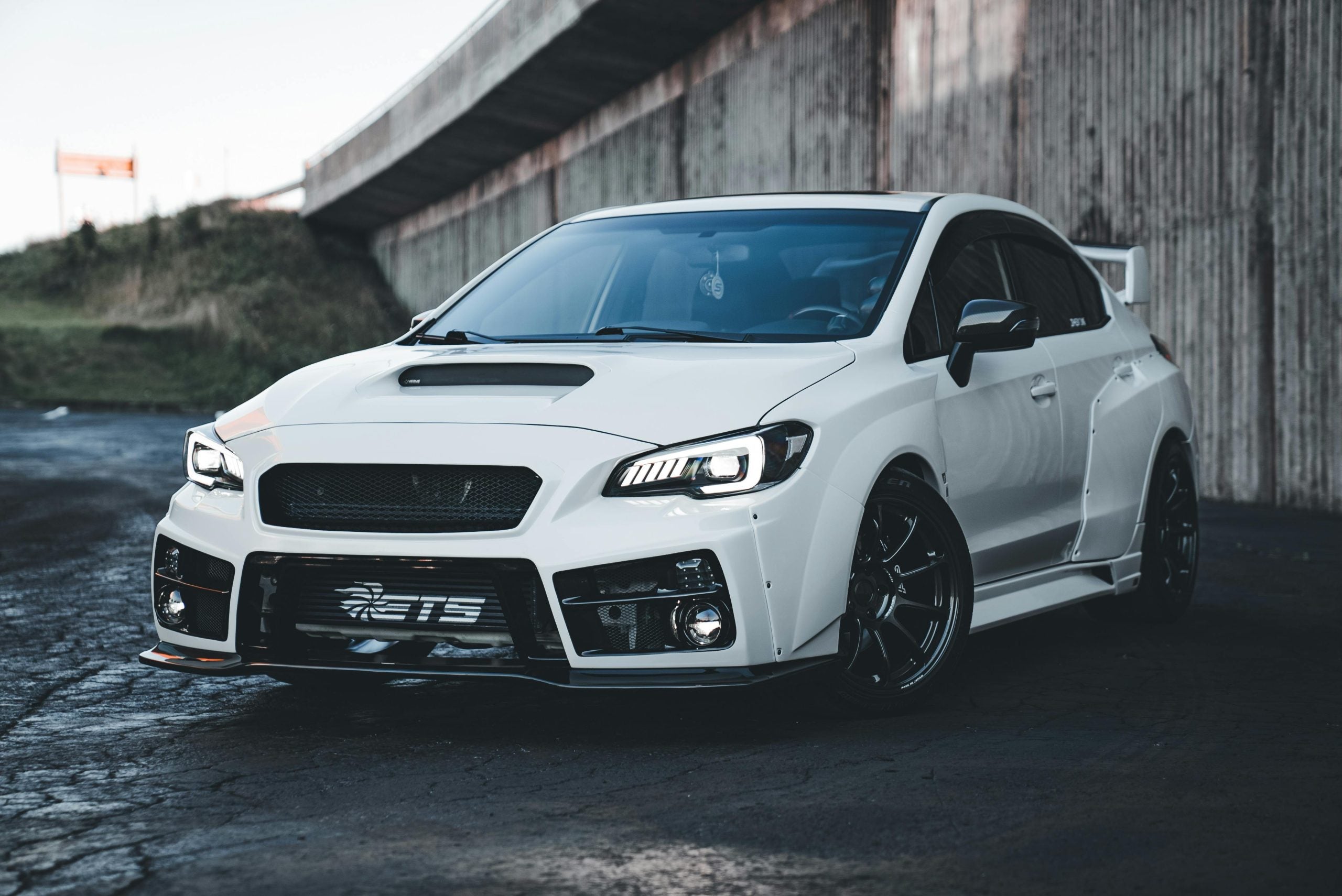
A White Subaru WRX STI

Subaru WRX Maintenance Schedule

Your Subaru WRX isn't just transportation - it's a finely tuned performance machine that demands proper care. We've worked with countless WRX owners here at John Kennedy Subaru in Plymouth Meeting, and we understand that keeping your turbocharged boxer engine running strong requires following the right maintenance schedule. Whether you're pushing your WRX through spirited weekend drives or navigating Philadelphia traffic during your daily commute, understanding when and how to service your vehicle makes all the difference in preserving performance, protecting your warranty, and maximizing resale value. Many WRX owners aren't sure whether they should follow standard maintenance intervals or more aggressive schedules based on how they drive. This guide helps you understand exactly what your WRX needs and when, so you can make informed decisions about vehicle care and budget accordingly. more Schedule Service Understanding Your Subaru WRX Maintenance Schedule Subaru engineers designed the WRX maintenance schedule around specific mileage intervals and time periods, whichever comes first. This approach recognizes that some vehicles rack up miles quickly while others sit for extended periods. Your first maintenance check happens at 3,000 miles, establishing a baseline for your vehicle's condition. After that initial visit, we follow a standard service pattern. Every 7,500 miles brings routine checks, with more comprehensive inspections and replacements occurring at 15,000, 30,000, and 60,000 miles. The schedule repeats in predictable cycles, which makes it easier to plan and budget. Services performed at 15,000 miles, repeat at 45,000 and 75,000 miles. Meanwhile, 30,000-mile services repeat at 60,000 and 120,000 miles. Understanding this pattern helps you anticipate upcoming maintenance needs rather than being caught off guard by service recommendations. Normal vs. Severe Driving Conditions Here's something that surprises many WRX owners in Southeastern PA: you might be driving under severe conditions even if you think your driving habits are perfectly normal. Subaru defines severe driving conditions as operating on rough, sandy, dusty, or muddy roads; frequent long idling periods; short-distance driving; or heavy metropolitan traffic combined with temperatures of 90°F or higher. Do you commute through Philadelphia traffic? Deal with stop-and-go conditions on Route 76? Navigate winter road salt and summer heat? Make frequent short trips? Your WRX experiences severe operating conditions. Severe conditions accelerate wear on critical components like engine oil, brake pads, air filters, and fluids. Constant heating and cooling cycles stress engine seals. Short trips prevent oil from reaching its optimal operating temperature, which is needed to burn off moisture and contaminants. Most Plymouth Meeting drivers fall somewhere between normal and severe categories. We recommend discussing your specific driving patterns with our service team to establish the right maintenance frequency for your situation. Oil Change Intervals for the Subaru WRX Oil changes form the foundation of WRX maintenance because your turbocharged engine operates under significant stress and high temperatures. We recommend changing your oil and filter every 6,000 to 7,500 miles, or every 6 months, whichever comes first, under normal driving conditions. After your initial 7,500-mile service, subsequent visits typically occur every 7,500 miles or annually. Severe driving conditions warrant more frequent oil changes, sometimes every 3,000 to 4,000 miles. Your WRX's turbocharger relies on clean, high-quality oil for proper lubrication and cooling. Degraded oil loses its protective properties, allowing metal-on-metal contact that damages precision components. We've seen turbos fail prematurely on vehicles that stretched oil change intervals too far or used incorrect oil specifications. Regular oil analysis during changes helps us spot potential issues before they become expensive repairs. Recommended Oil Type and Specifications The Subaru WRX requires 0W-20 full synthetic motor oil, engineered specifically for the demands of turbocharged boxer engines. This viscosity provides optimal flow in cold Pennsylvania winters while maintaining proper protection during hot summer driving and spirited performance sessions. Synthetic oil resists thermal breakdown better than conventional oil. It maintains consistent viscosity across temperature extremes and provides superior protection for precision turbocharger bearings. Using the correct oil specification isn't optional (it's essential for maintaining your warranty coverage and ensuring proper engine protection). We stock genuine Subaru 0W-20 synthetic oil formulated to meet your engine's exact requirements. Between oil changes, check your oil level regularly, especially before long trips or track days. Turbocharged engines can consume some oil under hard driving, and catching a low oil condition early prevents catastrophic damage. Routine Maintenance: 6,000 to 30,000 Miles The first 30,000 miles establish your WRX's service history and set the foundation for long-term reliability. During this break-in period, we monitor how components wear and adjust maintenance recommendations based on your driving style. Regular service visits create documentation that protects your warranty. They also provide verifiable records that boost resale value when you're ready to upgrade. 6,000-Mile and 12,000-Mile Services Your 7,500-mile service includes oil and filter replacement, tire rotation, brake inspection, battery testing, and checks of lights, hoses, and belts. Tire rotation extends tread life and ensures even wear, maximizing traction from your WRX's AWD system. We inspect brake pads and rotors for wear, checking that your high-performance braking system maintains adequate material and proper rotor thickness. Battery testing identifies weak cells before they leave you stranded. This is particularly important as batteries age in extreme Pennsylvania temperatures. These early services give us baseline data on how your specific vehicle is wearing. We document measurements like brake pad thickness and tire tread depth, establishing trends that help predict when components will need replacement. 24,000-Mile and 30,000-Mile Services The 15,000-mile service introduces more comprehensive inspections, including an emissions system tune-up, replacement of the cabin air filter, and intermediate checks of brake lines, discs, pads, clutch operation, axle boots, steering components, and suspension bushings. Your cabin air filter traps pollen, dust, and pollutants. It maintains clean interior air and proper HVAC performance. The 30,000-mile service represents your first major maintenance milestone. It involves replacing the brake fluid, engine air filter, spark plugs, PCV valve, engine coolant, and drive belts. Fresh brake fluid maintains proper pedal feel and prevents moisture contamination, which can lead to corrosion and reduced braking performance. New spark plugs ensure complete combustion. They maintain power output and fuel efficiency while preventing misfires that damage catalytic converters. If you're approaching this important service interval, contact our service team to discuss scheduling and what to expect. Major Maintenance: 30,000 to 60,000 Miles Between 30,000 and 60,000 miles, your WRX transitions from break-in period to established operation. Services during this range focus on replacing wear items before they fail and maintaining systems that protect long-term reliability. The 45,000-mile service repeats the 15,000-mile checklist. The 60,000-mile service repeats and expands upon the comprehensive 30,000-mile work. At 60,000 miles, we replace spark plugs again, change the automatic transmission fluid (if equipped), and inspect the front and rear differential gear oil. Transmission fluid degrades over time, losing its ability to protect gears and clutch packs and to dissipate heat. Fresh fluid maintains smooth shifts and extends transmission life. Differential gear oil protects your AWD system's transfer components, ensuring proper torque distribution to all four wheels under varying traction conditions. This mileage range typically corresponds to three to five years of ownership for average drivers. Components like suspension bushings, brake rotors, and tires may need replacement based on wear patterns and driving conditions. Our factory-trained technicians inspect these items during routine services and advise you when components approach their service limits. High-Mileage Care: 60,000 to 100,000+ Miles With proper maintenance, WRX models routinely exceed 200,000 miles while maintaining strong performance. We service WRXs in our Plymouth Meeting facility that have crossed the 150,000-mile threshold without major mechanical issues. What's the key difference between high-mileage success stories and premature failures? Consistent maintenance and addressing issues promptly when they arise. High-mileage care requires increased attention to fluid condition, seal integrity, and component wear. Engine seals naturally harden with age, potentially allowing minor oil seepage. While small leaks aren't immediately catastrophic, they require monitoring to prevent them from worsening. Coolant hoses become brittle over time, so we inspect them carefully for cracks or soft spots that indicate impending failure. Spark Plugs, Fluids, and Timing Components Spark plugs at high mileage may need to be replaced more frequently than the standard 30,000-mile interval. This is particularly true if you notice misfires, rough idle, or reduced fuel economy. The 75,000-mile service repeats the comprehensive 15,000-mile checklist, while the 90,000-mile service adds another round of major maintenance items. We continue the pattern of oil changes, tire rotations, and inspections every 7,500 miles, maintaining consistency in service documentation. Brake fluid accumulates moisture over time regardless of mileage. It requires replacement every two to three years to prevent internal corrosion. Engine coolant breaks down and loses its ability to prevent corrosion and protect against freezing. This warrants replacement at specified intervals. Transmission and differential fluids in high-mileage vehicles may benefit from more frequent changes than standard recommendations, particularly if you drive aggressively or tow occasionally. When you schedule your service appointment, we evaluate your vehicle's current condition and recommend appropriate service intervals based on our inspection findings. What to Expect for WRX Maintenance Costs Subaru WRX maintenance costs vary depending on service type, parts needed, and whether you're performing routine maintenance or a major service. Basic oil changes and tire rotations represent your most frequent expenses. They occur every 7,500 miles and are relatively affordable, helping prevent more expensive problems. Intermediate services at 15,000-mile intervals include inspections and filter replacements, modestly increasing costs. Major services at 30,000 and 60,000 miles involve multiple fluid replacements and component changes, representing larger investments. However, these comprehensive services protect expensive components like your engine, transmission, and turbocharger from damage caused by degraded fluids or worn parts. We provide transparent estimates before performing work, explaining what each service includes and why it matters for your WRX's longevity. Using genuine Subaru parts and following factory-recommended service intervals protects your warranty coverage. It also maintains proper documentation for resale value. The investment in dealership service pays dividends through reduced comebacks, proper warranty protection, and service records that increase resale value when you're ready for your next Subaru. Schedule Your Subaru WRX Maintenance in Plymouth Meeting We've served WRX owners throughout Southeastern Pennsylvania at John Kennedy Subaru for over 60 years. We combine family-owned values with factory-trained expertise. Our technicians understand the specific demands of turbocharged boxer engines and use specialized diagnostic equipment designed for Subaru vehicles. We maintain comprehensive service records in Subaru's national database, ensuring your maintenance history travels with your vehicle wherever life takes you. Located at 1201 E Ridge Pike in Plymouth Meeting, our service center operates Monday through Friday from 7 AM to 6 PM and Saturdays from 8 AM to 4 PM. Book your service appointment online or call us at 844-709-4104 to discuss your WRX's maintenance needs. Whether you're due for routine oil service or approaching a major maintenance milestone, we're here to keep your WRX running strong for the long haul.