Sales: 610-278-5000 Service: 610-278-5000 Parts: 610-239-2945 | |
Blog / Subaru Forester

What Is the Best Year for the Subaru Forester?

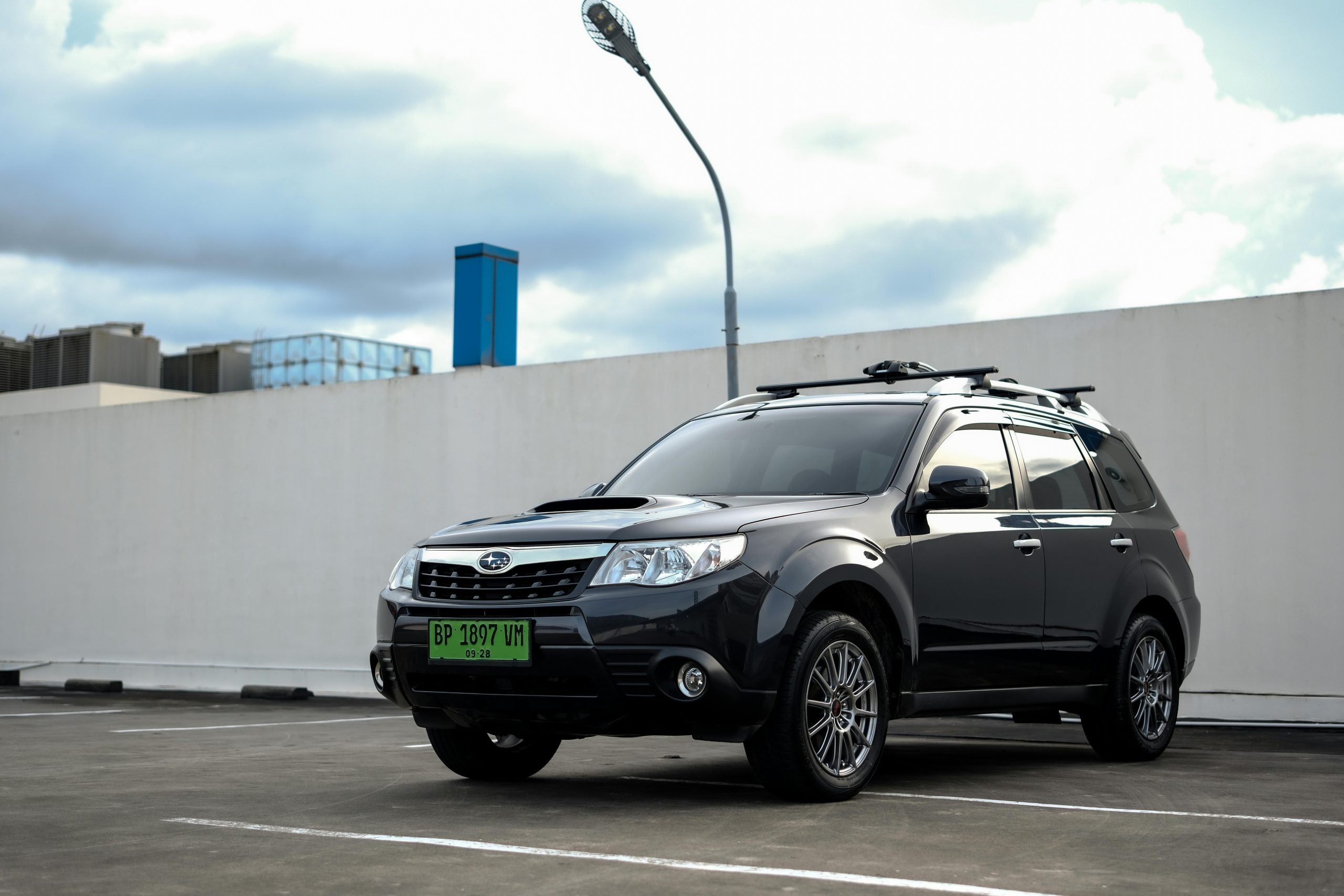
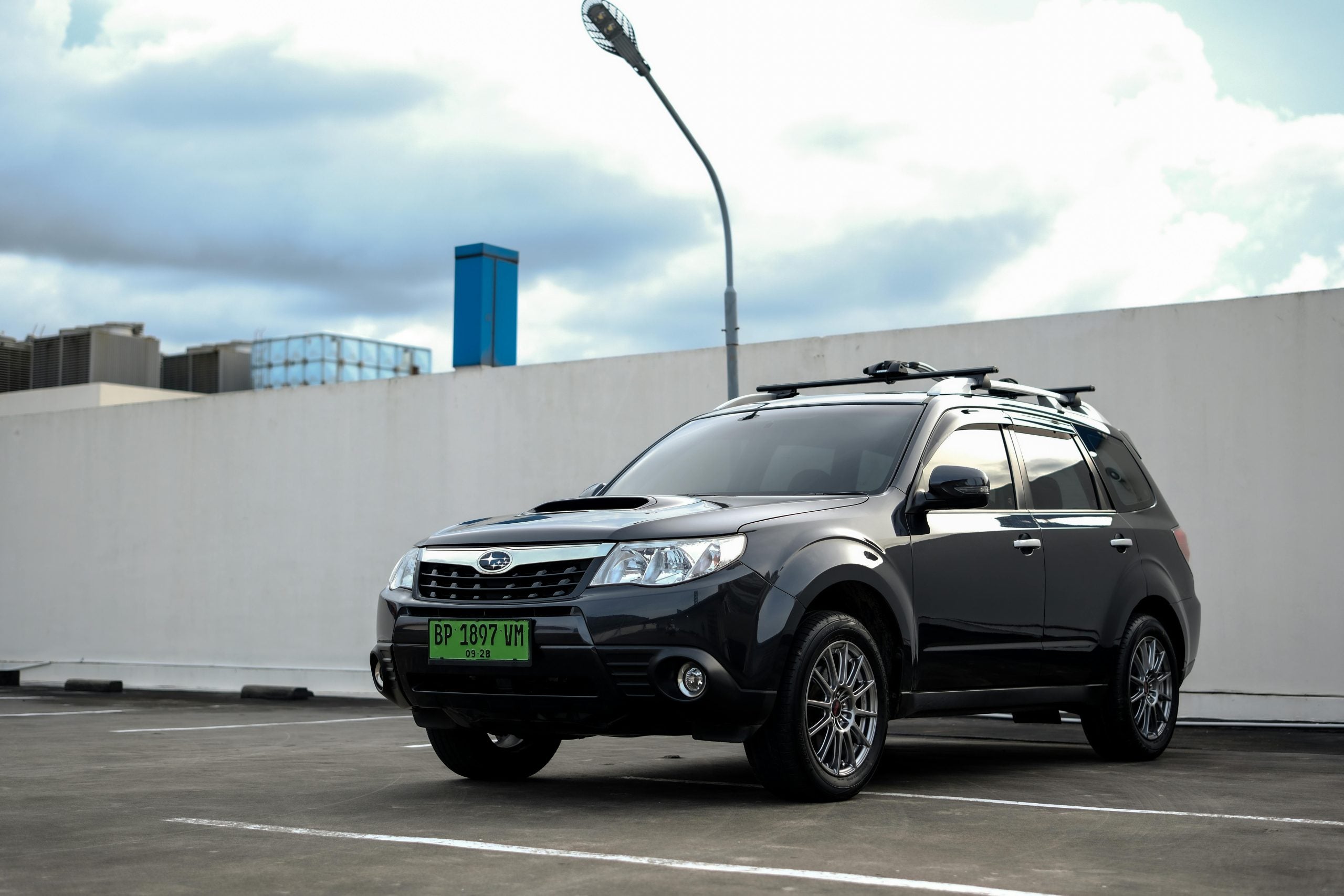
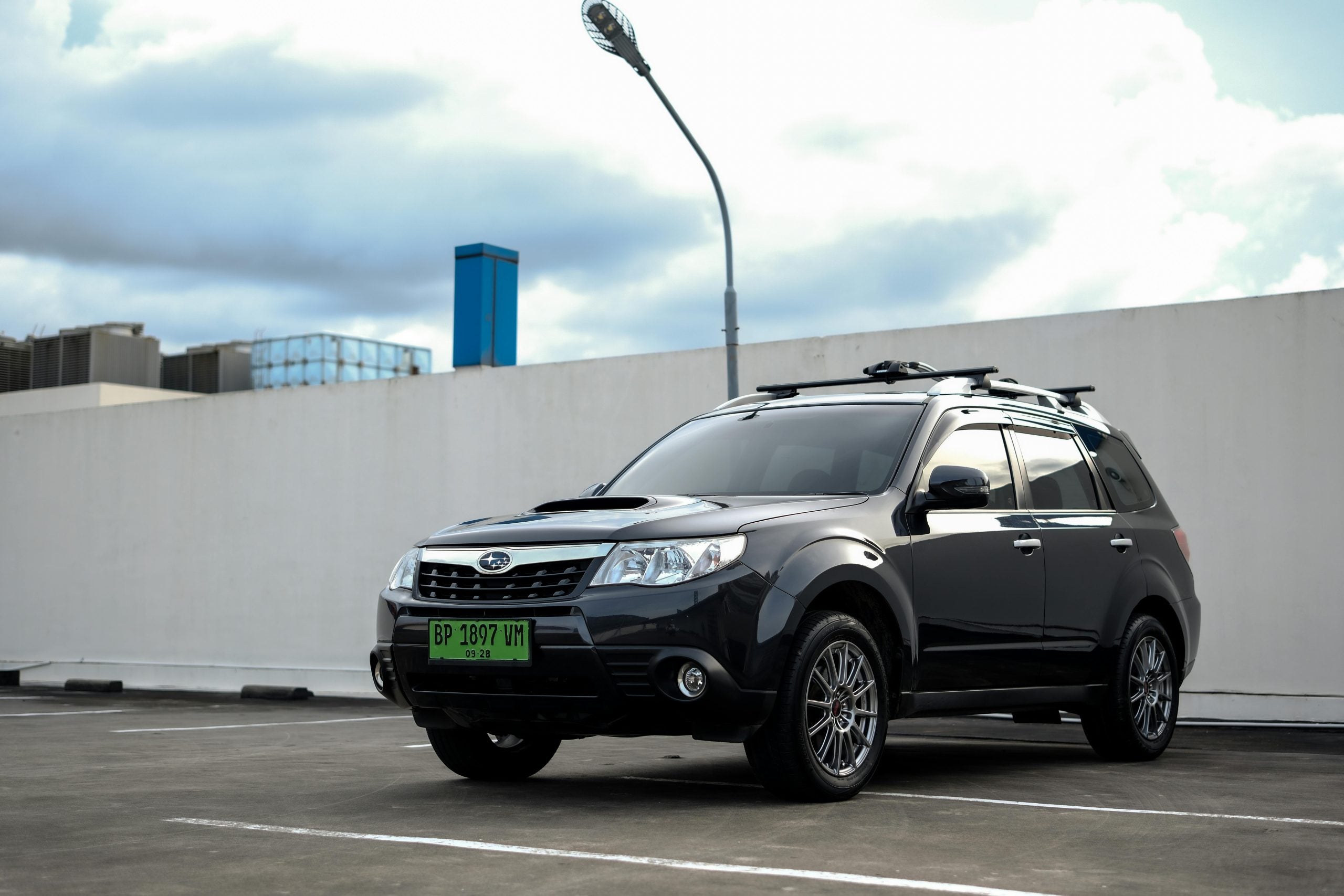
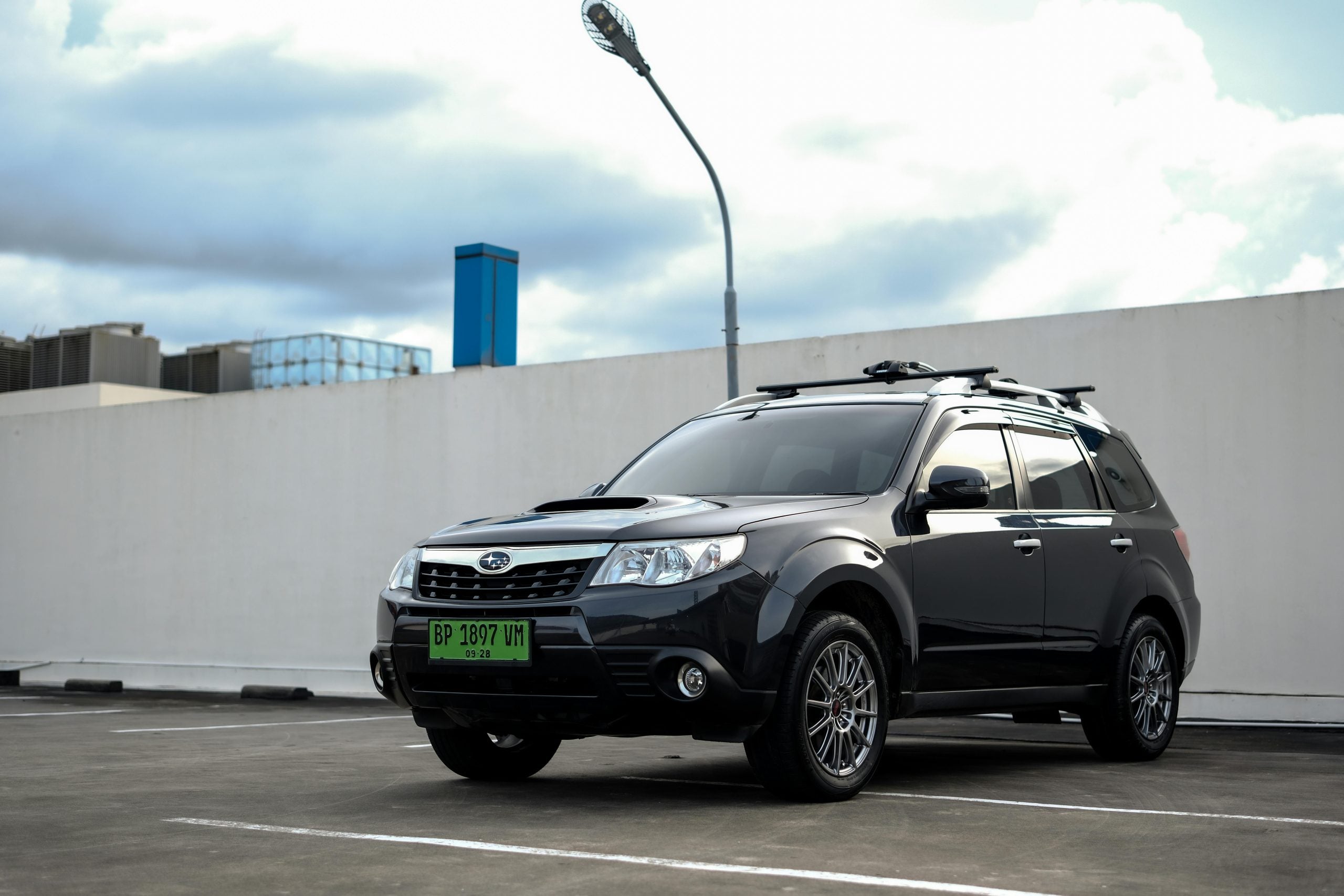
Black Subaru Forester

If you're looking at buying a used Subaru Forester in Plymouth Meeting, it's important to consider which model year is best for you. Each model year will offer different features, and some models may be more reliable than others. With six generations over nearly 30 years, you've got many options to choose from. In this guide, we'll help you narrow down your choices by telling you about the Subaru Forester's best years.

What Makes One Model Year Better Than Another?

Reliability ratings are typically the most important factor in determining the best model years of a car. When researching a specific model year, you should learn about its reliability ratings, common problems, and recalls. You can find data about these topics from reliable sources online, but you can also ask our expert team about which Subaru Foresters are the best.

In general, you'll find that the Forester is a reliable SUV. According to an Experian study, 96% of all Foresters sold in the past decade are still on the road today. Repair Pal also reports that this SUV's yearly cost of ownership is $632, which is slightly below the average of all vehicles. Well-maintained Subaru Foresters often last more than 200,000 miles.

In addition to reliability, it's also important to consider each model year's main features. You'll want to make sure that the model you're looking at has all the powertrain, safety, tech, and convenience features you're looking for.

The Subaru Forester's Generations (1998-2025)

The first-generation (1998-2002) Subaru Forester was built on the Impreza's platform, making it practical and easy to drive. It launched with a 2.5L flat-four engine, a four-speed automatic transmission, and all-wheel drive.

The Forester's second generation (2003-2008) received an exterior redesign. It also added the option for a 2.5L flat-four turbo engine.

With the third generation (2009-2013), the Forester was made taller, but it still retained its pleasant driving characteristics. The engine options remained the same with this generation, allowing you to choose between a regular 2.5L or turbo 2.5L engine.

The fourth-generation (2014-2018) Forester introduced a larger body size, giving it the look of a modern crossover. Subaru also introduced the option for a continuously variable transmission.

For the fifth generation (2019-2024), Subaru removed the option for a turbocharged engine. The company additionally made Subaru's EyeSight driver-assistance features standard on this generation.

In 2025, Subaru released the sixth generation of the Forester. This newest model offers a hybrid powertrain that generates 194 horsepower and gets up to 35 mpg city and 34 mpg highway.

The Best Subaru Forester Years and Which To Avoid

We recommend avoiding most first- and second-generation Foresters, as many model years had issues with head gaskets and excessive oil consumption. However, the 2008 version was particularly impressive, earning a reliability score of 88 out of 100 from J.D. Power.

The third generation of the Forester is often considered the most reliable. Models from 2012 onward got a redesigned engine that has proven to be dependable. The 2010 model year scored 84 out of 100 for reliability from J.D. Power.

There were some problems with early fourth-generation Foresters. The 2014 and 2015 models saw a decrease in reliability scores due to problems with the new continuously variable transmission. However, Subaru resolved those issues starting in 2016. The 2016 model year is now considered one of the best years for the Forester, and this SUV received 85 out of 100 for reliability from J.D. Power.

The fifth-generation models are also highly regarded. J.D. Power gave reliability scores of 83 and 84 out of 100 to the 2021 and 2023 model years, respectively. This year, Consumer Reports even named Subaru the 2025 Best Overall Automotive Brand and 2025 Most Reliable Brand.

Subaru Forester Buying Guide

By committing to regular maintenance and following the recommendations in this guide, you can pick a Forester with confidence. Using the information we've provided, we recommend narrowing down your options further by deciding on which features are most important to you. Additionally, it's a good idea to schedule a test-drive for the models you're interested in.

We also recommend creating a budget, taking into account the cost of maintenance, gas, insurance, and any other expenses. It's important to think about depreciation too. Your car's value will drop over time, but since Subarus are known to be dependable, they typically hold their value well.

Buying new is also a good option. A 2025 Forester starts at $29,995, and the hybrid version begins at $36,595.

Find Your Ideal Forester at John Kennedy Subaru

Need help finding your ideal Forester? Our team at John Kennedy Subaru in Plymouth Meeting, Pennsylvania, can provide recommendations and guide you through the whole buying process. We're committed to helping you find a Forester that'll run reliably for years. Contact us today to learn more about the Subaru Forester.
Posted in:

Related Posts

Black Subaru Forester

2025 Subaru Outback vs. Forester: Which SUV Is Best for Plymouth Meeting Drivers?

Picking between the Subaru Outback versus the Forester can be a challenge if you're looking for a practical, ready-for-anything, and comfortable daily transport. Both feature Subaru's famous all-wheel-drive (AWD) system and outstanding safety record, but they're built differently despite seeming similar at first glance. Figuring out which one fits your life better matters, and our team at John Kennedy Subaru of Plymouth is here to help you decide. more Outback Inventory Forester Inventory Size and Dimensions Size is the biggest difference between these two Subarus. The 2025 Forester measures 183.3 inches long, 72 inches wide, and 68.1 inches tall, perfect for tight Plymouth Meeting parking spots. The 2025 Outback is 191.9 inches in length (over 9 inches longer than the Forester) and 74.2 inches wide, but it sits lower at 66.1 inches tall. Inside, the Forester's base model gives you up to 110.8 cubic feet of passenger space, while other trims offer 106.6 cubic feet. The Outback splits the difference with 109 cubic feet (107.5 cubic feet if you have a moonroof). If you need space for your gear, the Outback wins with 32.6 cubic feet behind the seats versus the Forester's 27.5-29.6 cubic feet. Fold the seats down and the Outback maxes out at 75.6 cubic feet, while the Forester gives you between 69.1 and 74.4 cubic feet, depending on the trim level. Both SUVs offer 8.7 inches of ground clearance for handling Pennsylvania's rough roads and snowy trails. The extra cargo room in the Outback might be the deciding factor if you haul sports gear regularly or make sizable grocery runs. The Forester counters with a city-friendly footprint that's easier to park and maneuver. Performance and Engine Options Engine choices distinguish these models as well. The Forester offers one option: a 2.5-liter BOXER four-cylinder with 180 hp and 178 lb-ft of torque (the Wilderness trim boasts 182 hp and 176 lb-ft of torque). The Outback offers 182 hp and 176 lb-ft of torque but adds a 2.4-liter turbo option with 260 hp and 277 lb-ft of torque. Towing capacity varies, too. Standard Foresters can haul 1,500 pounds, and the Wilderness trim can pull up to 3,000 pounds. The Outback has a standard towing capacity of 2,700 pounds and 3,500 pounds for the Wilderness and XT versions. This is significant if you're towing Jet Skis to the Jersey Shore or a camper to the Poconos. Acceleration varies by engine. The Forester Wilderness hits 60 mph in 8.1 seconds, while the Outback with the standard engine takes 8.6 seconds. The turbo Outback Wilderness rockets to 60 mph in 6.1 seconds, making highway merges onto Internet 476 effortless. Both use Lineartronic continuously variable transmissions paired with Subaru's symmetrical AWD for excellent grip in any Pennsylvania weather. Fuel Efficiency and Economy Gas mileage is similar for both vehicles. The Forester Base, Premium, and Limited reach 26 mpg in the city and 33 mpg on the highway (29 mpg combined), while the Sport and Touring trims drop to 25 mpg city/32 mpg highway/28 mpg combined. The Outback matches this at 26 mpg in the city and 32 mpg on the highway, though turbo Wilderness and XT models are slightly less efficient at 21-22 mpg on the highway and 26-29 mpg in the city. Features and Trim Levels The 2025 Forester offers several trims for different budgets. The Base trim includes 17-inch alloy wheels, LED headlights, dual 7-inch screens, and the Subaru EyeSight safety suite. The Premium trim adds a panoramic sunroof, heated front seats, an 11.6-inch touch screen, and wireless charging. The Sport trim features 19-inch wheels, paddle shifters, multiple drive modes, and synthetic leather seats, while the Touring trim tops the range. The 2025 Outback offers a similar range of trims and features. Tech setups differ across trim levels. The Forester Base comes with a 7-inch touch screen, but Premium and higher trims offer an 11.6-inch display. The Outback follows this same pattern. Both SUVs include Apple CarPlay and Android Auto as standard. The Wilderness trim turns either model into a more capable off-roader. The Forester Wilderness increases ground clearance to 9.2 inches, adds chunky all-terrain tires, offers skid plates underneath, and uses water-resistant seat materials that can handle muddy hiking clothes or wet dogs. This package makes the Forester tempting if you're an outdoors enthusiast who wants better trail abilities without sacrificing city-friendly size for your daily commute. Safety and Reliability Safety is a strong suit for both models. The 2025 Forester grabbed the Insurance Institute for Highway Safety's Top Safety Pick award for the 18th time since 2007, more than any other small SUV. It scored Good ratings across pedestrian crash prevention and various impact tests. Both the Outback and the Forester hold five-star National Highway Traffic Safety Administration ratings. Standard safety tech includes Subaru's EyeSight system with adaptive cruise control, lane-keeping assist, and automatic emergency braking. Both models also include Symmetrical AWD, Vehicle Dynamics Control, and advanced options such as blind-spot warning, rear cross-traffic alerts, and automatic braking while backing up. Reliability scores show some differences. J.D. Power gave the 2024 Forester an impressive 84/100 for reliability, while the 2024 Outback trails at 80/100. That four-point difference hints that Forester owners face fewer repairs over time. Both SUVs hold their value well thanks to Subaru's tough reputation and solid fan base, keeping demand high for used models. Off-Road Capabilities X-MODE with hill-descent control is available on Premium and higher Forester trims, while the Outback includes this system on all trims to manage grip on steep, slippery surfaces. X-MODE automatically tweaks the throttle, transmission, and brakes to maintain control in tough spots. In off-road use, the Forester's smaller size and better approach angles make tight trails easier, but the extra ground clearance and better towing capacity on the Outback Wilderness work well for hauling gear to remote campsites. Both handle light to medium off-road situations perfectly. Pricing and Value The 2025 Forester starts at $29,995 for the Base trim, with the Premium ($33,385), Sport ($36,105), Limited ($37,695), and Touring ($41,595) offering more features and versatility. The Outback also starts at $29,995. The Forester offers hybrid choices: the Premium Hybrid ($36,595), Sport Hybrid ($39,595), Limited Hybrid ($41,010), and Touring Hybrid ($43,295). Please check with our team for the latest deals and incentives. Find Your Perfect Subaru Match in Plymouth Meeting Nothing beats trying both the Outback and the Forester to feel the real differences. Swing by our dealership in Plymouth Meeting to take a test-drive of the Subaru Forester and Subaru Outback and let our team help you find your perfect match. Reach out to us today to start selecting your ideal Subaru.

Black Subaru Forester

Subaru Forester Towing Capacity Explained

If you're considering the Subaru Forester for your next adventure, you might wonder about its towing capabilities. After all, whether you're hauling a small boat, a camping trailer, or other equipment, knowing how much you can tow makes a big difference in your outdoor experience. In this article, we'll discover the Subaru Forester's towing capacity, helping you determine if this versatile SUV fits your towing needs. Let's explore the details. more New Forester Inventory Subaru Forester Towing Capacity Across Different Models and Years The Subaru Forester has evolved over the years, and its towing capacity varies by model year and trim. Here's a quick overview to give you a clearer picture: 1997-2002 models: These models had a towing capacity of up to 2,000 pounds, making them suitable for small trailers and light loads. 2003-2008 models: With the introduction of manual transmission options, these models saw an increase in towing capacity — up to 2,400 pounds, making them more versatile for various towing needs. 2009-2013 models: Consistent with previous years, these models maintained a strong towing capacity of up to 2,400 pounds, ideal for small to medium-sized trailers. 2014-2018 models: During these years, the towing capacity slightly decreased, with most models limited to 1,500 pounds. 2019-2022 models: These models maintained the 1,500-pound towing capacity, making them suitable for light towing tasks. 2023 model: The 2023 Subaru Forester introduced the Wilderness trim, which significantly increased the towing capacity to 3,000 pounds, while other trims remained at 1,500 pounds. 2024-2025 models: The 2024 and 2025 Forester keep the features of the 2023 model, maintaining the 3,000-pound towing capacity for the Wilderness trim and the 1,500-pound towing capacity for the other trims. Key Features Affecting the Subaru Forester's Towing Performance Several features of the Subaru Forester contribute to its towing performance. SUBARU BOXER Engine The Subaru Forester is equipped with the SUBARU BOXER engine. It has a horizontally opposed design with a lower center of gravity, enhancing stability and handling, which is crucial when towing. The engine's layout also contributes to balanced weight distribution, improving overall vehicle control. Symmetrical All-Wheel Drive Subaru's Symmetrical All-Wheel Drive (AWD) system is standard on all Forester models. This system provides optimal traction and stability, which is especially important when towing heavy loads. The AWD system ensures power is distributed evenly to all four wheels, enhancing grip and control on various terrains. High-Torque Lineartronic Continuously Variable Transmission The high-torque Lineartronic continuously variable transmission (CVT) in the Forester is designed to handle the demands of towing. It provides smooth and efficient power delivery, which helps maintain consistent performance under load. The CVT also contributes to better fuel efficiency, even when towing. Reinforced Chassis and Suspension The Forester features a reinforced chassis and suspension system that can handle the additional stress of towing. Robust construction ensures durability and stability, reducing sway and improving control. This setup is particularly beneficial when towing heavier trailers. Advanced Safety Features Subaru's EyeSight driver-assistance technology includes features such as adaptive cruise control, lane-keeping assist, and precollision braking. These technologies enhance safety while towing by helping maintain safe distances, staying within lanes, and preventing potential collisions. The added safety features provide peace of mind when towing. Towing Package Certain Forester models come with an optional towing package that includes a hitch receiver and wiring harness. This package is designed to optimize the vehicle's towing capabilities, making it easier to connect and tow trailers. The towing package ensures the Forester is ready to tow right off the lot. Towing Safely With Your Subaru Forester Towing safely requires more than just knowing the Subaru Forester's towing capacity. It's crucial to adhere to weight limits. The maximum towing capacity of 3,500 pounds includes the total weight of the trailer and any cargo you load onto it. Exceeding this limit can lead to safety hazards, such as reduced braking performance and compromised handling. Before hitting the road, always double-check that your load is balanced. An unbalanced trailer can sway, making it difficult to control the vehicle. Utilize proper hitching techniques and ensure all connections are secure. Additionally, practice driving with a trailer in a safe environment to get accustomed to how your Forester handles the extra weight. Regular maintenance is also key. Keep an eye on your vehicle's brakes, tires, and suspension to ensure they can handle the demands of towing. By taking care of your Forester and utilizing the right equipment, you can enjoy a safe and productive towing experience. To get the most out of the towing capacity of a Subaru Forester, consider investing in the right accessories and equipment. A quality hitch, appropriate towing mirrors, and a weight distribution system can enhance your towing experience. At our Plymouth Meeting, Pennsylvania, dealership, we offer a variety of Subaru Forester towing packages and accessories to help you maximize your vehicle's capabilities. Real-Life Applications: What Can You Tow With a Subaru Forester? You might wonder, "What can a Subaru Forester tow?" The answer is quite versatile. The Forester is perfect for towing lightweight campers, small boats, and utility trailers. For instance, many outdoor enthusiasts use the Forester to tow pop-up campers, making it an excellent choice for weekend getaways. The convenience of having a reliable vehicle that can transport your camping gear adds to the appeal of the Forester. In addition, if you enjoy boating, the Forester's towing capacity allows you to tow small fishing boats or jet skis. This capability opens up numerous opportunities for adventure, whether you're heading to the lake for a day of fishing or planning a weekend trip to the beach. The practicality of towing with the Forester makes it a popular choice among outdoor lovers. Experience the Towing Prowess of the New Subaru Forester at John Kennedy Subaru Plymouth If you're ready to explore the possibilities of the Subaru Forester, we invite you to visit us at John Kennedy Subaru in Plymouth Meeting. Whether you're interested in a new Forester or need assistance with towing packages, we're here to help you every step of the way. Contact us today so we can help you get ready for your next adventure.

Black Subaru Forester

2025 Subaru Forester vs. Competitors: RAV4, Grand Cherokee, Passport

The compact SUV segment is bustling with options, but the 2025 Subaru Forester stands tall among its peers. With a blend of performance, safety, and comfort, it's redefining what you can expect from a compact SUV. more New Forester Inventory The 2025 Subaru Forester's Place in the Competitive SUV Market The 2025 Subaru Forester stands out in the crowded compact SUV market, offering a unique blend of reliability and versatility. As we compare the Forester to its competitors, you'll find it consistently proves to be a top choice. Its standard Symmetrical All-Wheel Drive (AWD), advanced safety features, and spacious interior distinguish it from alternatives such as the Toyota RAV4, Mazda CX-5, and Nissan Rogue. Detailed Comparison Across Key Areas When evaluating the 2025 Subaru Forester against its competitors, several key areas highlight its strengths. Design and Comfort The Forester's expansive cabin has up to 110.8 cubic feet of passenger volume. This generous space surpasses many competitors, providing ample room for front and rear passengers. Front-seat occupants enjoy 43.3 inches of legroom, ensuring comfort even on long journeys. Rear passengers aren't left out, with 39.4 inches of legroom and 39.6 inches of headroom. Premium materials and thoughtful design elements enhance your overall experience. The available panoramic power moonroof floods the interior with natural light, creating an open, airy atmosphere. Features such as the power-rear gate add convenience to your daily routine, making loading and unloading effortless. Performance and Efficiency Under the hood, the Forester houses a 2.5-liter SUBARU BOXER four-cylinder engine, delivering 180 horsepower and 178 lb-ft of torque. This engine configuration lowers the center of gravity, enhancing stability and handling. The standard Symmetrical AWD system ensures optimal traction across a range of conditions, from slick city streets to rugged backroads. Fuel efficiency is a strong suit for the Forester, with most trims achieving up to 33 mpg on the highway and 26 mpg in the city. Safety and Technology Features Safety is a cornerstone of the Forester's design. The updated EyeSight driver-assist technology includes automatic emergency steering, precollision braking, and adaptive cruise control with lane centering, enhancing your awareness and reducing risks. The available DriverFocus distraction mitigation system further sets the Forester apart by monitoring for signs of fatigue or distraction, offering timely alerts that prioritize safety — a clear advantage when comparing the Subaru Forester to competitors. On the technology front, the Forester doesn't disappoint. The SUBARU STARLINK 11.6-inch multimedia system offers wireless Apple CarPlay and Android Auto integration, allowing you to stay connected without the clutter of cables. The available Harman Kardon premium audio system elevates your listening experience, making every drive enjoyable. Price Points and Value Proposition Affordability without compromise is a cornerstone of the Forester's appeal. With a starting MSRP of $29,695, it offers exceptional value in the compact SUV segment. Standard features, including AWD, advanced safety systems, and a spacious interior, make for a package hard to match. In-Depth Vehicle Comparisons The 2025 Subaru Forester excels compared to its rivals, offering distinct performance, space, and safety advantages. Here's how it compares to the top contenders in the compact SUV segment. 2025 Subaru Forester vs. 2024/2025 Toyota RAV4 The Toyota RAV4 is a popular choice, but see how it stacks up against the Forester: Passenger space: The Forester's 110.8 cubic feet of passenger volume surpasses the RAV4's 98.9 cubic feet. Cargo capacity: With seats folded, the Forester provides 74.4 cubic feet of cargo space, edging out the RAV4's 69.8 cubic feet. Ground clearance: The Forester's 8.7 inches of ground clearance beats the RAV4's standard 8.4 inches, enhancing off-road capability. While the RAV4 is a solid vehicle, the Forester's emphasis on space, safety, and value gives it a competitive edge. 2025 Subaru Forester vs. 2024 Jeep Grand Cherokee The Jeep Grand Cherokee is known for its rugged appeal, but consider these points: Affordability: The Forester's $29,695 starting MSRP is significantly less than the Grand Cherokee's $36,494 base price. Fuel efficiency: The Forester's 33 mpg highway fuel rating outperforms the Grand Cherokee's 26 mpg. Maneuverability: A smaller turning diameter makes the Forester easier to handle in tight spaces. Weight: The Forester's lighter curb weight provides superior efficiency and handling. The Forester presents a compelling option if you're seeking capability without the hefty price tag. 2025 Subaru Forester vs. 2025 Honda Passport Comparing the Forester to the Honda Passport reveals the following: Price difference: The Forester's base price is over $12,000 cheaper than the Passport's starting MSRP. Fuel economy: Better miles-per-gallon ratings make the Forester more economical. Size and weight: The Forester's lighter weight and smaller dimensions enhance maneuverability. While the Passport has its merits, the Forester's combination of affordability, efficiency, and features is hard to overlook. Extended Comparisons With Other Key Competitors In key areas, the 2025 Subaru Forester outshines other compact SUVs, such as the Mazda CX-5, Ford Escape, and Nissan Rogue. Mazda CX-5 While the Mazda CX-5 is known for its sleek design, the Subaru Forester excels in practicality. The Forester's 74.4 cubic feet of cargo space surpasses the CX-5's 58.1 cubic feet, and its 110.8 cubic feet of passenger volume bests the CX-5's 103.6 cubic feet. Additionally, all Forester trims come with standard AWD, enhancing safety and performance. Ford Escape The Ford Escape delivers versatility, but the Forester leads in key areas. Standard all-wheel drive on every Forester trim provides greater control, while the Forester's larger passenger and cargo space creates a more comfortable experience. Advanced safety features, such as adaptive cruise control, which are standard on the Forester, are optional on the Escape. Nissan Rogue The Nissan Rogue is a strong contender, yet the Forester holds clear advantages. Standard all-wheel drive in the Forester outshines the Rogue's optional system, while the Forester offers more legroom, shoulder room, and passenger volume for greater comfort. A larger fuel tank in the Forester lets you travel farther between fill-ups. Making the Best Choice for Your Needs When comparing the 2025 Subaru Forester to the competition, it's clear that the Forester offers significant advantages. If you're ready to experience the Forester for yourself in Plymouth Meeting, Pennsylvania, explore our John Kennedy Subaru dealership's new Forester inventory. The purchasing process is seamless, and our finance application will help you get behind the wheel of a new Forester in no time. If you have questions or would like to schedule a test drive, contact us today.