Sales: 610-278-5000 Service: 610-278-5000 Parts: 610-239-2945 | |
Blog / Maintenance

Subaru Crosstrek Maintenance Schedule

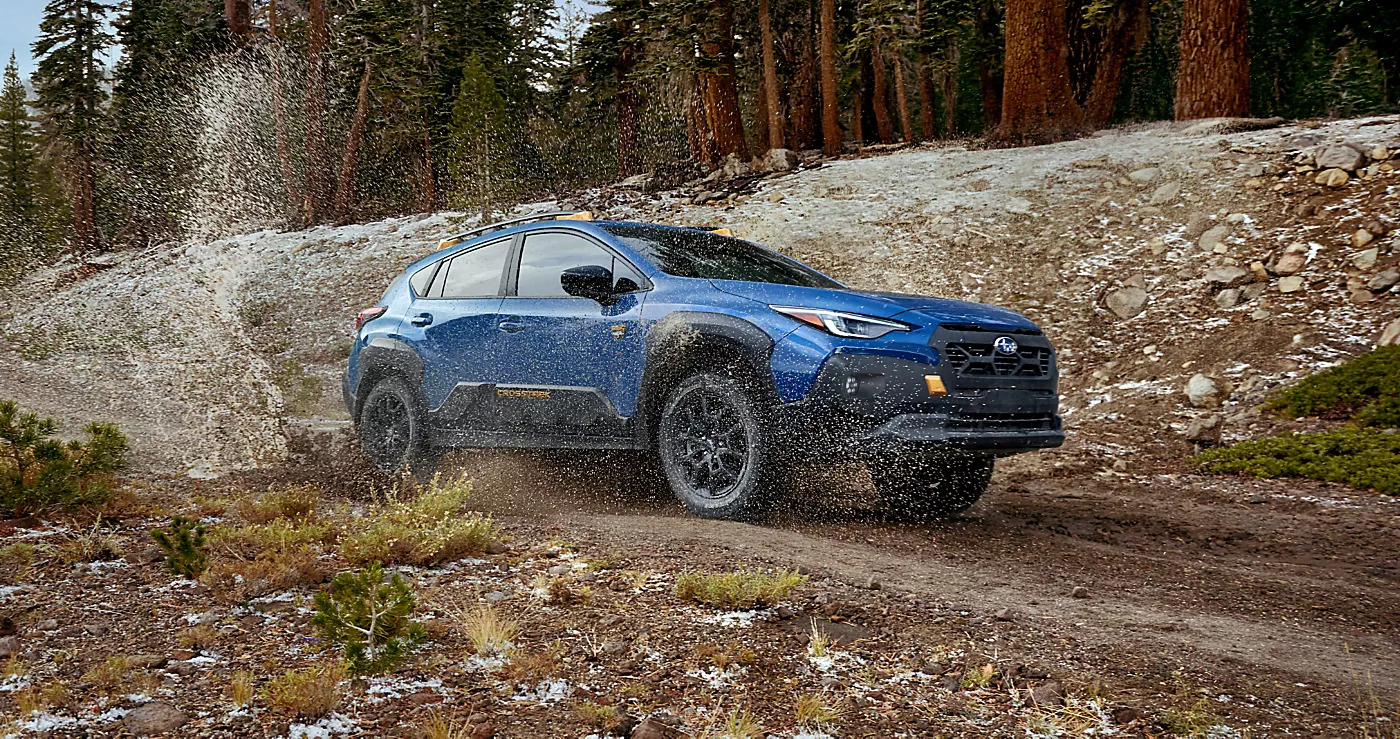
2024-Subaru-CrosstrekWilderness-RainyTrail

Keeping your Subaru Crosstrek running reliably starts with understanding what it needs and when. At John Kennedy Subaru in Plymouth Meeting, we've seen how proper maintenance makes the difference between a Crosstrek that performs flawlessly for years and one that faces preventable issues. The factory-engineered maintenance schedule isn't random. It's based on extensive testing designed to protect your investment.

Whether you're driving through Southeastern Pennsylvania winters or navigating summer heat, your Crosstrek's maintenance schedule provides a clear roadmap for care. This guide explains exactly what services your vehicle needs, when they're due, and why they matter.

Understanding Your Subaru Crosstrek Maintenance Schedule

Your owner's manual contains the official maintenance schedule, but understanding how to apply it makes all the difference. The schedule outlines specific services at precise intervals, ensuring every component receives attention before problems develop. Following these guidelines protects your warranty, maintains peak performance, and preserves resale value.

Time vs. Mileage Intervals

The maintenance schedule operates on a "whichever comes first" principle that many owners overlook. Your Crosstrek needs service every six months or 6,000 miles under normal conditions. Time matters just as much as mileage. Drive only 4,000 miles in a year? You still need service twice annually. Engine oil, fluids, and components break down over time regardless of distance traveled.

Severe driving conditions require more frequent attention (every three months or 3,000 miles). These conditions include frequent short trips, excessive idling, dusty environments, and cold-weather operation. Pennsylvania winters with road salt exposure and cold starts qualify as severe use for many local drivers. Our service advisors can help figure out whether your driving patterns warrant adjusted intervals.

Why Following the Schedule Protects Your Investment

Consistent maintenance prevents minor issues from becoming major repairs. Fresh engine oil protects internal components. Regular tire rotations extend tread life. Brake inspections catch problems before they compromise safety. We've serviced Crosstreks with over 200,000 miles that still run strong because owners followed the schedule without cutting corners.

Documented maintenance history significantly impacts resale value. Prospective buyers pay premium prices for vehicles with complete service records. Your Crosstrek represents a substantial investment, and scheduled maintenance protects both its performance and financial value.

Routine Service Intervals: 6,000 to 24,000 Miles

The foundation of Crosstrek maintenance happens during routine service visits. These regular checkpoints handle wear items and fluid changes that keep your vehicle operating as designed. Each interval builds on previous services while adding new inspection points.

6,000-Mile Service Essentials

We replace your engine oil and engine oil filter, removing contaminants and ensuring proper lubrication. Fresh oil maintains optimal viscosity for Pennsylvania's temperature extremes, protecting engine components during cold starts and hot-weather operation.

Tire rotation and inspection happen at this interval to promote even wear. Your Crosstrek's AWD system depends on matched tire diameters for proper operation, making rotation essential for drivetrain health. We inspect tread depth, look for irregular wear patterns, and check tire pressure to maintain fuel efficiency.

12,000-Mile Service Checklist

The maintenance schedule expands significantly at 12,000 miles, adding comprehensive safety inspections to oil changes and tire rotation. We examine disc brake pads, front and rear, for wear and ensure adequate pad thickness remains. Brake inspection extends to lines, parking brake functionality, and service brake performance during road testing.

Steering and suspension components receive detailed attention. We check front and rear axle boots for tears or damage, inspect joints for play, and evaluate steering linkage for wear. These components endure significant stress from Pennsylvania's winter potholes and rough roads. Regular inspection remains critical for safe handling.

Additional checks include clutch functionality for manual transmission models, underbody inspection for road damage or corrosion, and lubrication of latches, hinges, and locks.

24,000-Mile Filter and Inspection Services

Engine and cabin air filters get inspected and replaced if necessary. Clean air filters maintain engine performance and fuel economy while ensuring fresh interior air quality. Pennsylvania's seasonal pollen and road dust can clog filters faster than in other regions.

Cooling system service includes testing coolant condition and concentration, inspecting hoses for cracks, and checking clamps for security. Proper coolant protects your engine from both freezing in winter and overheating in summer. We conduct complete battery service at this interval, testing capacity and cleaning terminals to prevent starting issues during extreme temperatures.

Axle boot inspection intensifies at 24,000 miles because torn boots allow lubricant to escape and contaminants to enter CV joints. Catching boot damage early prevents the need for expensive joint replacement.

Major Milestone Services: 30,000 Miles and Beyond

Major milestone services address components designed for longer intervals but requiring eventual attention. These comprehensive services typically align with 30-month time frames, again emphasizing the "whichever comes first" principle.

30,000-Mile Comprehensive Service

The 30,000-mile service represents the most thorough maintenance checkpoint in your Crosstrek's routine schedule. Replacing the air cleaner element ensures your engine breathes properly. Brake fluid replacement removes moisture that accumulates over time, maintaining proper braking performance and preventing internal corrosion.

Drive belt inspection evaluates condition and tension. These belts power essential accessories, including your alternator, water pump, and air conditioning compressor. We inspect fuel system lines and connections for leaks, examine emission system hoses, and check the PCV valve that regulates crankcase pressure.

Fuel injector service keeps your engine running efficiently by ensuring proper fuel spray patterns. Clean injectors maintain smooth idle, crisp acceleration, and excellent fuel economy.

Long-Term Maintenance at 60K, 90K, and 120K Miles

Extended mileage maintenance follows predictable patterns while addressing components with longer replacement intervals.

MilestoneKey Services
60,000 MilesReplace engine oil and filter; rotate tires; inspect brakes; replace spark plugs at 60,000-miles/60-months; service transmission and differential fluids; wheel alignment (recommended)
90,000 MilesRepeat 30,000-mile services; inspect all fluids, lights, wipers; full brake service
120,000 MilesComprehensive inspection including drive belts; replace camshaft drive belts (timing belts) at 105,000 miles for non-turbocharged engines

The 60,000-mile service includes spark plug replacement, a critical maintenance item affecting fuel economy, emissions, and engine performance. Transmission and differential fluid service at this interval protects your CVT and AWD system from premature wear.

Camshaft drive belt replacement at 105,000 miles specifically applies to non-turbocharged engines. This belt drives critical engine components, and failure causes severe engine damage. We recommend scheduling this service slightly ahead of the deadline. If you're approaching high mileage and haven't completed major services recently, contact us for a comprehensive vehicle assessment.

Subaru Crosstrek Oil Change Intervals Explained

Oil change intervals form the backbone of your maintenance schedule, with frequency depending on driving conditions and oil type.

Synthetic Oil Requirements for Modern Crosstreks

Modern Subaru Crosstreks require synthetic motor oil engineered to meet specific performance standards. Under normal driving conditions, the oil change interval is 6,000 miles or 6 months. Synthetic oil maintains proper viscosity across temperature extremes while providing superior protection against wear and deposit formation.

Severe driving conditions require more frequent changes (every 3,000 miles or three months). Frequent short trips where the engine doesn't fully warm up? Driving in dusty conditions? Operating in extreme temperatures? Follow the severe-use schedule. Many Southeastern Pennsylvania drivers fall into this category during the winter months.

Between oil changes, check your oil level every second fuel fill-up. Modern engines consume small amounts of oil during normal operation. Spotting low levels early prevents engine damage. The dipstick provides accurate readings when checked on level ground after the engine has sat for several minutes.

Document Your Service History for Long-Term Value

How to Maintain Detailed Service Records

Accurate record-keeping separates well-maintained vehicles from those with questionable service history. Documentation protects warranty claims, increases resale value, and provides a complete maintenance history that helps diagnose any issues.

Log every service by both date and mileage. Include details about what services were performed, which components were replaced, and any observations our technicians noted. We provide detailed service records with each visit, but maintaining your own backup copy ensures nothing gets lost over the years of ownership.

Digital tools simplify record-keeping. Many owners photograph service receipts and store them in cloud-based folders organized by year. Others use automotive maintenance apps that send reminders when services approach due dates. Whatever system you choose, consistency matters most.

How Proper Documentation Protects Your Investment

Complete maintenance records significantly impact resale value. Buyers pay premium prices for vehicles with documented care because it reduces their risk. Your diligent record-keeping directly translates into higher trade-in or private sale values. If long-term value matters to you, explore our current Crosstrek inventory to see how proper maintenance preserves your investment.

Schedule Your Crosstrek Service in Plymouth Meeting

We've served the Plymouth Meeting and Southeastern Pennsylvania community for over 60 years with honest, transparent service. Our ASE-certified technicians know Subaru vehicles inside and out and use genuine Subaru parts designed specifically for your Crosstrek. We understand how Pennsylvania weather affects your vehicle, from winter road-salt corrosion to summer cooling-system stress.

Service scheduling takes just minutes. Our online portal lets you book appointments 24/7 and select times that fit your schedule. We're open Monday through Friday from 7 AM to 6 PM and Saturdays from 8 AM to 4 PM, with convenient early drop-off available. You can always reach our service team at 610-278-5000 with any questions.

Regular Subaru Crosstrek maintenance isn't optional. It forms the foundation of reliable, safe transportation. Whether you're due for routine service or approaching a major milestone, we're here to keep your Crosstrek performing exactly as Subaru engineered it.

Posted in:

Related Posts

A White Subaru WRX STI

Subaru WRX Maintenance Schedule

Your Subaru WRX isn't just transportation - it's a finely tuned performance machine that demands proper care. We've worked with countless WRX owners here at John Kennedy Subaru in Plymouth Meeting, and we understand that keeping your turbocharged boxer engine running strong requires following the right maintenance schedule. Whether you're pushing your WRX through spirited weekend drives or navigating Philadelphia traffic during your daily commute, understanding when and how to service your vehicle makes all the difference in preserving performance, protecting your warranty, and maximizing resale value. Many WRX owners aren't sure whether they should follow standard maintenance intervals or more aggressive schedules based on how they drive. This guide helps you understand exactly what your WRX needs and when, so you can make informed decisions about vehicle care and budget accordingly. more Schedule Service Understanding Your Subaru WRX Maintenance Schedule Subaru engineers designed the WRX maintenance schedule around specific mileage intervals and time periods, whichever comes first. This approach recognizes that some vehicles rack up miles quickly while others sit for extended periods. Your first maintenance check happens at 3,000 miles, establishing a baseline for your vehicle's condition. After that initial visit, we follow a standard service pattern. Every 7,500 miles brings routine checks, with more comprehensive inspections and replacements occurring at 15,000, 30,000, and 60,000 miles. The schedule repeats in predictable cycles, which makes it easier to plan and budget. Services performed at 15,000 miles, repeat at 45,000 and 75,000 miles. Meanwhile, 30,000-mile services repeat at 60,000 and 120,000 miles. Understanding this pattern helps you anticipate upcoming maintenance needs rather than being caught off guard by service recommendations. Normal vs. Severe Driving Conditions Here's something that surprises many WRX owners in Southeastern PA: you might be driving under severe conditions even if you think your driving habits are perfectly normal. Subaru defines severe driving conditions as operating on rough, sandy, dusty, or muddy roads; frequent long idling periods; short-distance driving; or heavy metropolitan traffic combined with temperatures of 90°F or higher. Do you commute through Philadelphia traffic? Deal with stop-and-go conditions on Route 76? Navigate winter road salt and summer heat? Make frequent short trips? Your WRX experiences severe operating conditions. Severe conditions accelerate wear on critical components like engine oil, brake pads, air filters, and fluids. Constant heating and cooling cycles stress engine seals. Short trips prevent oil from reaching its optimal operating temperature, which is needed to burn off moisture and contaminants. Most Plymouth Meeting drivers fall somewhere between normal and severe categories. We recommend discussing your specific driving patterns with our service team to establish the right maintenance frequency for your situation. Oil Change Intervals for the Subaru WRX Oil changes form the foundation of WRX maintenance because your turbocharged engine operates under significant stress and high temperatures. We recommend changing your oil and filter every 6,000 to 7,500 miles, or every 6 months, whichever comes first, under normal driving conditions. After your initial 7,500-mile service, subsequent visits typically occur every 7,500 miles or annually. Severe driving conditions warrant more frequent oil changes, sometimes every 3,000 to 4,000 miles. Your WRX's turbocharger relies on clean, high-quality oil for proper lubrication and cooling. Degraded oil loses its protective properties, allowing metal-on-metal contact that damages precision components. We've seen turbos fail prematurely on vehicles that stretched oil change intervals too far or used incorrect oil specifications. Regular oil analysis during changes helps us spot potential issues before they become expensive repairs. Recommended Oil Type and Specifications The Subaru WRX requires 0W-20 full synthetic motor oil, engineered specifically for the demands of turbocharged boxer engines. This viscosity provides optimal flow in cold Pennsylvania winters while maintaining proper protection during hot summer driving and spirited performance sessions. Synthetic oil resists thermal breakdown better than conventional oil. It maintains consistent viscosity across temperature extremes and provides superior protection for precision turbocharger bearings. Using the correct oil specification isn't optional (it's essential for maintaining your warranty coverage and ensuring proper engine protection). We stock genuine Subaru 0W-20 synthetic oil formulated to meet your engine's exact requirements. Between oil changes, check your oil level regularly, especially before long trips or track days. Turbocharged engines can consume some oil under hard driving, and catching a low oil condition early prevents catastrophic damage. Routine Maintenance: 6,000 to 30,000 Miles The first 30,000 miles establish your WRX's service history and set the foundation for long-term reliability. During this break-in period, we monitor how components wear and adjust maintenance recommendations based on your driving style. Regular service visits create documentation that protects your warranty. They also provide verifiable records that boost resale value when you're ready to upgrade. 6,000-Mile and 12,000-Mile Services Your 7,500-mile service includes oil and filter replacement, tire rotation, brake inspection, battery testing, and checks of lights, hoses, and belts. Tire rotation extends tread life and ensures even wear, maximizing traction from your WRX's AWD system. We inspect brake pads and rotors for wear, checking that your high-performance braking system maintains adequate material and proper rotor thickness. Battery testing identifies weak cells before they leave you stranded. This is particularly important as batteries age in extreme Pennsylvania temperatures. These early services give us baseline data on how your specific vehicle is wearing. We document measurements like brake pad thickness and tire tread depth, establishing trends that help predict when components will need replacement. 24,000-Mile and 30,000-Mile Services The 15,000-mile service introduces more comprehensive inspections, including an emissions system tune-up, replacement of the cabin air filter, and intermediate checks of brake lines, discs, pads, clutch operation, axle boots, steering components, and suspension bushings. Your cabin air filter traps pollen, dust, and pollutants. It maintains clean interior air and proper HVAC performance. The 30,000-mile service represents your first major maintenance milestone. It involves replacing the brake fluid, engine air filter, spark plugs, PCV valve, engine coolant, and drive belts. Fresh brake fluid maintains proper pedal feel and prevents moisture contamination, which can lead to corrosion and reduced braking performance. New spark plugs ensure complete combustion. They maintain power output and fuel efficiency while preventing misfires that damage catalytic converters. If you're approaching this important service interval, contact our service team to discuss scheduling and what to expect. Major Maintenance: 30,000 to 60,000 Miles Between 30,000 and 60,000 miles, your WRX transitions from break-in period to established operation. Services during this range focus on replacing wear items before they fail and maintaining systems that protect long-term reliability. The 45,000-mile service repeats the 15,000-mile checklist. The 60,000-mile service repeats and expands upon the comprehensive 30,000-mile work. At 60,000 miles, we replace spark plugs again, change the automatic transmission fluid (if equipped), and inspect the front and rear differential gear oil. Transmission fluid degrades over time, losing its ability to protect gears and clutch packs and to dissipate heat. Fresh fluid maintains smooth shifts and extends transmission life. Differential gear oil protects your AWD system's transfer components, ensuring proper torque distribution to all four wheels under varying traction conditions. This mileage range typically corresponds to three to five years of ownership for average drivers. Components like suspension bushings, brake rotors, and tires may need replacement based on wear patterns and driving conditions. Our factory-trained technicians inspect these items during routine services and advise you when components approach their service limits. High-Mileage Care: 60,000 to 100,000+ Miles With proper maintenance, WRX models routinely exceed 200,000 miles while maintaining strong performance. We service WRXs in our Plymouth Meeting facility that have crossed the 150,000-mile threshold without major mechanical issues. What's the key difference between high-mileage success stories and premature failures? Consistent maintenance and addressing issues promptly when they arise. High-mileage care requires increased attention to fluid condition, seal integrity, and component wear. Engine seals naturally harden with age, potentially allowing minor oil seepage. While small leaks aren't immediately catastrophic, they require monitoring to prevent them from worsening. Coolant hoses become brittle over time, so we inspect them carefully for cracks or soft spots that indicate impending failure. Spark Plugs, Fluids, and Timing Components Spark plugs at high mileage may need to be replaced more frequently than the standard 30,000-mile interval. This is particularly true if you notice misfires, rough idle, or reduced fuel economy. The 75,000-mile service repeats the comprehensive 15,000-mile checklist, while the 90,000-mile service adds another round of major maintenance items. We continue the pattern of oil changes, tire rotations, and inspections every 7,500 miles, maintaining consistency in service documentation. Brake fluid accumulates moisture over time regardless of mileage. It requires replacement every two to three years to prevent internal corrosion. Engine coolant breaks down and loses its ability to prevent corrosion and protect against freezing. This warrants replacement at specified intervals. Transmission and differential fluids in high-mileage vehicles may benefit from more frequent changes than standard recommendations, particularly if you drive aggressively or tow occasionally. When you schedule your service appointment, we evaluate your vehicle's current condition and recommend appropriate service intervals based on our inspection findings. What to Expect for WRX Maintenance Costs Subaru WRX maintenance costs vary depending on service type, parts needed, and whether you're performing routine maintenance or a major service. Basic oil changes and tire rotations represent your most frequent expenses. They occur every 7,500 miles and are relatively affordable, helping prevent more expensive problems. Intermediate services at 15,000-mile intervals include inspections and filter replacements, modestly increasing costs. Major services at 30,000 and 60,000 miles involve multiple fluid replacements and component changes, representing larger investments. However, these comprehensive services protect expensive components like your engine, transmission, and turbocharger from damage caused by degraded fluids or worn parts. We provide transparent estimates before performing work, explaining what each service includes and why it matters for your WRX's longevity. Using genuine Subaru parts and following factory-recommended service intervals protects your warranty coverage. It also maintains proper documentation for resale value. The investment in dealership service pays dividends through reduced comebacks, proper warranty protection, and service records that increase resale value when you're ready for your next Subaru. Schedule Your Subaru WRX Maintenance in Plymouth Meeting We've served WRX owners throughout Southeastern Pennsylvania at John Kennedy Subaru for over 60 years. We combine family-owned values with factory-trained expertise. Our technicians understand the specific demands of turbocharged boxer engines and use specialized diagnostic equipment designed for Subaru vehicles. We maintain comprehensive service records in Subaru's national database, ensuring your maintenance history travels with your vehicle wherever life takes you. Located at 1201 E Ridge Pike in Plymouth Meeting, our service center operates Monday through Friday from 7 AM to 6 PM and Saturdays from 8 AM to 4 PM. Book your service appointment online or call us at 844-709-4104 to discuss your WRX's maintenance needs. Whether you're due for routine oil service or approaching a major maintenance milestone, we're here to keep your WRX running strong for the long haul.

2024-Subaru-Outback-Camping

Subaru Outback Maintenance Schedule

Regular maintenance is essential to keep your Subaru Outback in optimal condition to ensure your safety and that of your passengers on the road. In this guide, our team at John Kennedy Subaru provides a comprehensive breakdown of everything you need to know about the Subaru Outback's maintenance schedule. more Schedule Service Maintenance Schedule Lookup Buy Parts Understanding the Importance of Regular Maintenance Neglecting your Subaru scheduled maintenance can lead to expensive problems down the road. A well-maintained Subaru Outback delivers better gas mileage, safer trips, and fetches a higher price when it's time to sell. Subaru has created the maintenance timeline specifically for the Outback's unique needs. Although regular service costs money up front, it ensures that your car remains in optimal condition and provides peace of mind on the road. It's also cheaper in the long run than fixing a neglected car that breaks down completely. Subaru Outback Maintenance Intervals Your Outback's service needs follow both mileage and time guidelines, whichever comes first. The specific work required may change slightly based on your model year and driving habits. Sticking to these Subaru service intervals will help identify minor issues before they grow into significant issues. 6,000-Mile/6-Month Interval: Essential Checks Your first regular maintenance occurs at 6,000 miles or six months. During this service, the technician changes the oil and filter, rotates the tires for even wear, and inspects the brake pads, rotors, and lines. They'll also top off the fluids and inspect the belts, hoses, and battery condition. If you drive on roads that are salted in winter, Subaru recommends that you change the oil more often — every 5,000 miles or six months. Fresh oil provides better lubrication and prevents the metal components from grinding against each other. 12,000-Mile/12-Month Interval: Comprehensive Inspection At the one-year mark or 12,000 miles, your Outback needs more significant attention. Besides repeating the 6,000-mile services, the technician will perform a detailed inspection of the steering and suspension components and brakes, as well as test the clutch operation, replace the engine's air filter, and clean the heating and cooling system. This comprehensive inspection provides peace of mind on the road. 18,000-Mile/18-Month Interval: Engine and Cabin Focus The 18-month/18,000-mile visit builds on earlier services with special attention to comfort and performance. Along with routine checks, the mechanic will replace the cabin air filter if needed, adjust the engine idle speed, inspect fuel lines and connections, and look for any fluid leaks. A clean cabin filter prevents dust and pollen from entering your car's ventilation system, while identifying tiny fluid leaks early can save you thousands down the road. 24,000-Mile/24-Month Interval: Systematic Reviews This service includes all the previous maintenance tasks and adds a comprehensive inspection of the drive belts, valve clearance, exhaust system, heat shields, wheel bearings, and suspension joints. Proper valve clearance directly affects engine efficiency and gas mileage. Problems with the exhaust system can cause dangerous carbon monoxide leaks or reduce fuel economy. 30,000-Mile/30-Month Interval: Intensive Maintenance Check The 30,000-mile service covers everything. Beyond all previous checks, technicians will replace spark plugs, adjust valves, put in fresh coolant, clean fuel injectors, change transmission fluid if needed, and inspect differential oil. While official Subaru guidelines suggest new spark plugs at 60,000 miles, many professionals recommend doing this at 30,000 miles for optimal performance. Transmission fluid changes are essential, especially in continuously variable transmissions (CVT). Beyond 30,000 Miles: Long-Term Care After 30,000 miles, the schedule mostly repeats with additional tasks appearing at higher mileages. You may need timing belt replacement, major transmission work, brake fluid changes, or coolant system flushing. Make sure to still adhere to a regular maintenance schedule to keep your Subaru Outback in peak condition. Subaru recommends that you replace the timing belt every 105,000 miles. Neglecting this task can lead to severe engine damage if it breaks. Common Costs for Specific Services Prices for maintaining your Outback vary according to location, dealership, and model year. A basic oil service costs about $92 at dealers, excluding a tire rotation, while CVT transmission fluid changes cost roughly $450 at 137,500 miles. This may seem expensive, but it protects you from costlier breakdowns. Regular care spreads these costs out and often lowers total expenses by preventing major failures. Always call your local Subaru dealership for precise quotes in your area. Extended Warranties and Maintenance Plans Subaru offers various extended warranties and prepaid service plans that are worth considering. These packages cover unexpected fixes and provide peace of mind, especially for long-term owners. The prepaid maintenance deals include $380 for two-year/24,000-mile coverage, $679 for three-year/36,000-mile plans, or $1,099 for four-year/48,000-mile service. For broader protection, check out the extended warranty options. The Gold Plus Plan covers bumper-to-bumper issues, while the Classic Plan focuses on expanded drivetrain protection. These can stretch coverage up to 10 years or 100,000 miles. The average cost runs around $2,000, depending on your specific needs. Read the fine print carefully before signing. Consider your driving habits, how long you'll keep the car, and your budget when deciding whether these plans are for you. Optimize Your Subaru Outback's Life Span Taking good care of your Outback can prevent breakdowns and maximize your investment. Regular checkups increase your car's reliability, performance, life span, and resale value. Consult your owner's manual for specific recommendations for your model. If you're in Plymouth Meeting, Pennsylvania, we invite you to visit John Kennedy Subaru to talk to our knowledgeable team. Contact us today to schedule a service for your Subaru Outback.

2026 Subaru Outback Plymouth Meeting PA

Standard All-Wheel Drive, Endless Possibilities: The Subaru Outback at John Kennedy Subaru

The Wagon That Redefined Adventure: The Subaru Outback Arrives at John Kennedy Subaru Few vehicles have carved out as distinct a niche as the Subaru Outback. Part wagon, part SUV, and fully capable, the Outback has spent nearly three decades proving that you don't need a bulky truck-based SUV to go anywhere. If you've been searching for a Subaru Outback for sale near Plymouth Meeting, PA, or comparing rugged wagons and crossovers for commutes along Ridge Pike and weekend trips out to the Poconos or the Jersey Shore, the Outback deserves a close look. At John Kennedy Subaru, we see firsthand why this model remains one of the most trusted choices for Montgomery County drivers who want capability without compromise. In this guide, we'll walk through what makes the Outback stand out: its engine lineup, standard all-wheel drive and off-road capability, interior and cargo flexibility, technology and safety features, trim options, how it compares to rivals like the Toyota RAV4 and Honda CR-V, and why buying from a local Plymouth Meeting dealership makes the process easier from test drive to trade-in. A Different Kind of Vehicle, By Design When the original Outback launched in the 1990s, it was a deliberate departure from the traditional SUV playbook — a raised, reinforced wagon built to handle rough roads and foul weather without the bulk, fuel consumption, or truck-like ride of a body-on-frame SUV. That formula has proven remarkably durable. While competitors have shuffled in and out of the segment, the Outback has stuck to its core identity: standard all-wheel drive, real ground clearance, and genuine capability wrapped in a comfortable, car-like driving experience. For Plymouth Meeting-area drivers navigating everything from Pennsylvania winters to weekend trips into the mountains, that combination has made the Outback a longtime favorite — a vehicle that doesn't ask you to choose between everyday comfort and genuine all-weather confidence. Engine Options Built for Everyday Confidence The current Outback lineup offers two engine choices, so buyers can pick the right balance of efficiency and performance: 2.5L naturally aspirated four-cylinder — The standard engine delivers dependable, well-rounded performance for everyday driving, commuting, and light towing, paired with Subaru's renowned reliability reputation. 2.4L turbocharged four-cylinder — Available on higher trims, this engine adds a meaningful boost in horsepower and torque, giving the Outback noticeably stronger acceleration for merging onto the Pennsylvania Turnpike or passing on rural backroads, along with an increased towing capacity for buyers hauling small trailers, campers, or watercraft. Every Outback comes standard with Subaru's Symmetrical All-Wheel Drive system — not an available option, but standard equipment across the entire lineup. That's a meaningful difference from many competitors, where all-wheel drive is often an upcharge reserved for higher trims. Standard All-Wheel Drive and Real Ground Clearance What truly separates the Outback from crossover competitors is the combination of standard all-wheel drive with genuine ground clearance — most trims offer 8.7 inches or more, putting the Outback closer to a compact SUV than a typical wagon in terms of capability. Key off-pavement and all-weather features include: X-MODE — A driver-selectable system that optimizes throttle response, transmission behavior, and all-wheel-drive torque distribution for slippery or uneven terrain, including a dedicated setting for deep snow and mud. Hill Descent Control — Helps maintain a controlled, steady speed on steep descents without heavy brake pedal input. Available Wilderness trim hardware — Including additional ground clearance, all-terrain tires, and reinforced underbody protection for buyers who want to take the Outback further off the beaten path. For Plymouth Meeting drivers dealing with snow-covered roads in the winter or gravel roads on the way to a state park in the fall, this level of standard capability provides real peace of mind that many competing crossovers simply can't match without stepping up to a more expensive trim or a dedicated SUV. Interior Comfort and Everyday Practicality The Outback's cabin blends outdoor-ready durability with genuine everyday comfort. Depending on trim, buyers can expect: A spacious, car-like cabin with excellent outward visibility, thanks to the Outback's wagon-inspired greenhouse design Available heated and ventilated front seats, plus heated rear seats on higher trims A large portrait-oriented touchscreen running Subaru's infotainment system, with wireless Apple CarPlay and Android Auto Generous cargo space behind the rear seats, expanding significantly with the seats folded flat — ideal for camping gear, strollers, or a Costco run Standard roof rails across the lineup, ready for cargo boxes, bike racks, or kayak mounts without needing aftermarket brackets Available Harman Kardon premium audio system for road trips It's a cabin built around the idea that a vehicle capable of handling rough weather and rugged trips shouldn't feel utilitarian inside — the Outback manages to feel comfortable and refined while staying true to its adventure-ready roots. Technology and Safety Features Subaru has built its modern reputation heavily around safety, and the Outback reflects that commitment: Standard Subaru EyeSight Driver Assist Technology on most trims, including adaptive cruise control, pre-collision braking, and lane departure warning — technology that's often an expensive option elsewhere but comes standard here Available Blind Spot Detection with Rear Cross-Traffic Alert, useful for navigating tighter parking areas around Plymouth Meeting Available DriverFocus Distraction Mitigation System, which can detect signs of driver drowsiness or distraction and provide alerts Reverse Automatic Braking on select trims, helping avoid low-speed collisions while backing up The Outback has consistently earned strong safety ratings from independent testing organizations, and that reputation for safety remains one of the top reasons families and commuters alike choose it over competing crossovers. Trim Levels for Every Kind of Driver The Outback lineup includes several trims, each tuned for different priorities: Base — A well-equipped starting point with standard all-wheel drive, X-MODE, and core safety technology included. Premium — Adds additional comfort and technology upgrades, including heated seats and a larger available touchscreen, at a moderate price increase. Limited — A more upscale trim with leather-trimmed seating, additional driver-assist features, and a more refined overall interior experience. Touring — Sitting near the top of the standard lineup, Touring adds premium materials and the most comprehensive standard feature set short of the performance-oriented XT variants. Onyx Edition — A styling-focused trim with blacked-out exterior accents and all-weather-oriented interior materials for buyers who want a more rugged aesthetic. Wilderness — The most off-road-capable trim in the lineup, with additional ground clearance, all-terrain tires, reinforced skid plates, and unique styling for buyers who genuinely plan to take their Outback off-road. With this range, there's an Outback built for budget-conscious commuters as well as families who want a fully loaded, adventure-ready wagon — and our team at John Kennedy Subaru can help match the right trim to your actual driving habits rather than upselling capability you won't use. How the Outback Compares to Other Crossovers Buyers researching the Outback are often cross-shopping it against the Toyota RAV4 and Honda CR-V — two of the best-selling compact crossovers on the market. Outback vs. Toyota RAV4 — The RAV4 offers strong reliability and a hybrid option, but the Outback's standard all-wheel drive, greater ground clearance, and more spacious, wagon-inspired cabin give it an edge for buyers who prioritize all-weather capability and interior comfort over outright fuel economy. Outback vs. Honda CR-V — The CR-V is known for a comfortable ride and strong resale value, but the Outback counters with standard all-wheel drive across every trim (versus available AWD on the CR-V), along with genuine off-road-oriented features like X-MODE and the Wilderness trim that the CR-V simply doesn't offer. For buyers trying to decide between these options, a side-by-side test drive is the best way to feel the differences in ride height, visibility, and all-weather confidence firsthand — something our team at John Kennedy Subaru is glad to help arrange. Fuel Economy Considerations For drivers weighing daily commuting costs against occasional towing or off-road use, the standard 2.5L engine offers solid, dependable fuel economy for buyers whose Outback will mostly handle commuting and errands around Plymouth Meeting. The available turbocharged engine sacrifices a modest amount of efficiency in exchange for stronger performance and increased towing capacity — a worthwhile trade-off for drivers who tow trailers or frequently drive in demanding conditions. Our sales team at John Kennedy Subaru can walk through current EPA estimates for each configuration to help you find the right balance for your driving habits. Why Buy Local at John Kennedy Subaru Shopping for a vehicle as versatile as the Outback deserves more than scrolling through spec sheets online. The best way to know if it's the right fit is to sit behind the wheel, load in your gear, and talk through your specific needs — commuting, towing, off-road use, or some combination — with a team that knows the vehicle well. Our team at John Kennedy Subaru can walk you through trim packages, compare configurations side by side, and explain current incentives and rebates that can meaningfully lower your total cost. We'll also help you explore financing or leasing options tailored to your budget, whether you're buying your first Outback or upgrading from another crossover. Beyond the sale, buying local means ongoing support — a service department that specializes in Subaru vehicles, genuine OEM parts, and a team that's part of the same Montgomery County community you live in. That local relationship matters when it's time for routine maintenance, warranty work, or just some advice on where to take your Outback for its first real adventure. Frequently Asked Questions About the Subaru Outback Does the Outback come with all-wheel drive standard? Yes. Unlike many competitors that treat all-wheel drive as an optional upgrade, Subaru includes Symmetrical All-Wheel Drive as standard equipment across every Outback trim. Is the Outback good for off-roading? The Outback offers genuine off-pavement capability well beyond most crossovers, especially in Wilderness trim, though it's not designed to compete with dedicated off-road vehicles for extreme rock crawling. How much can the Outback tow? Towing capacity varies by engine and trim, with the turbocharged engine offering a higher maximum capacity — enough for small trailers, personal watercraft, or a modest camper. What's the difference between Outback and Outback Wilderness? The Wilderness trim adds increased ground clearance, all-terrain tires, reinforced underbody protection, and unique styling for buyers who plan to take their Outback further off the beaten path than standard trims are built for. Ready to Experience the Subaru Outback? Whether you're drawn to its standard all-wheel drive, its genuine off-pavement capability, or simply its comfortable, adventure-ready cabin, there's no substitute for experiencing the Outback in person. Stop by our Plymouth Meeting showroom or schedule a test drive online today, and let our team help you find the Outback configuration that fits your commute, your weekends, and everywhere in between. John Kennedy Subaru — Serving Plymouth Meeting, Montgomery County, and the greater Philadelphia area.